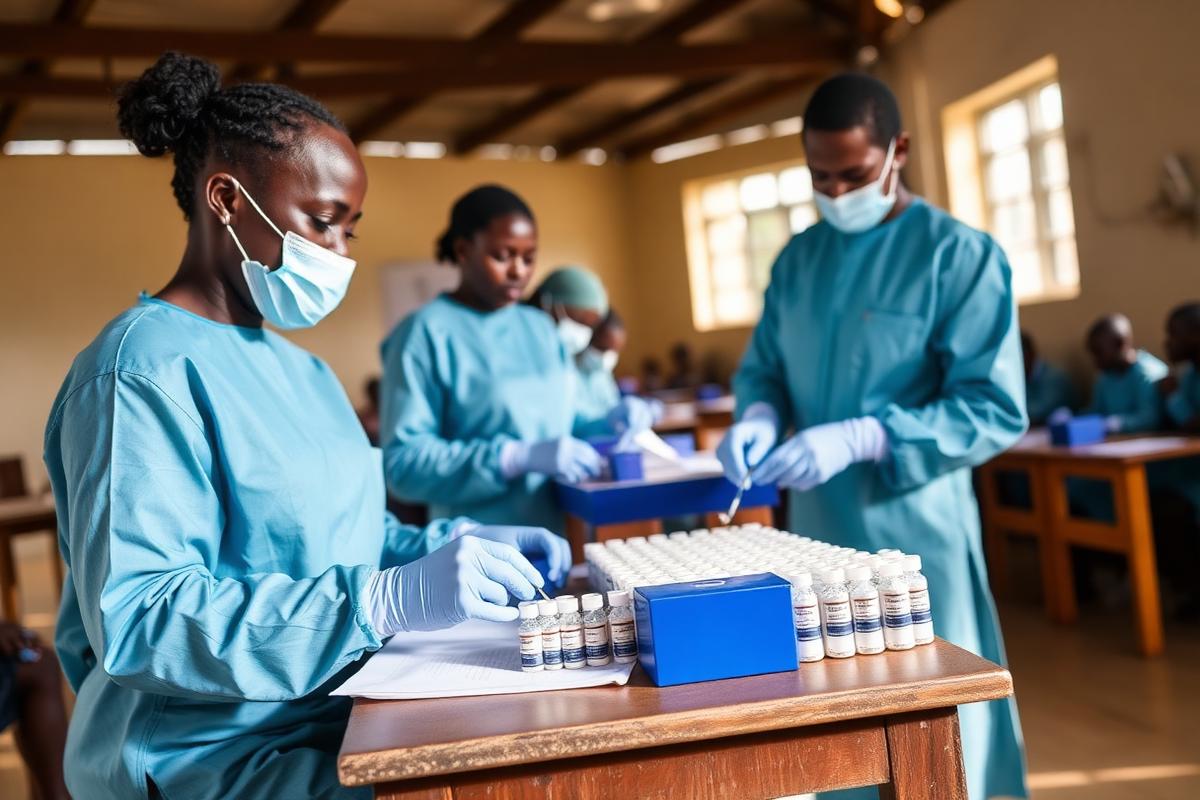
Africa Adopts 10-Year Plan to Protect Hard-Won Polio Gains
Health ministers approved the framework at the 76th WHO Regional Committee for Africa in Addis Ababa, focusing on surveillance, immunity and outbreak response.

Health ministers approved the framework at the 76th WHO Regional Committee for Africa in Addis Ababa, focusing on surveillance, immunity and outbreak response.

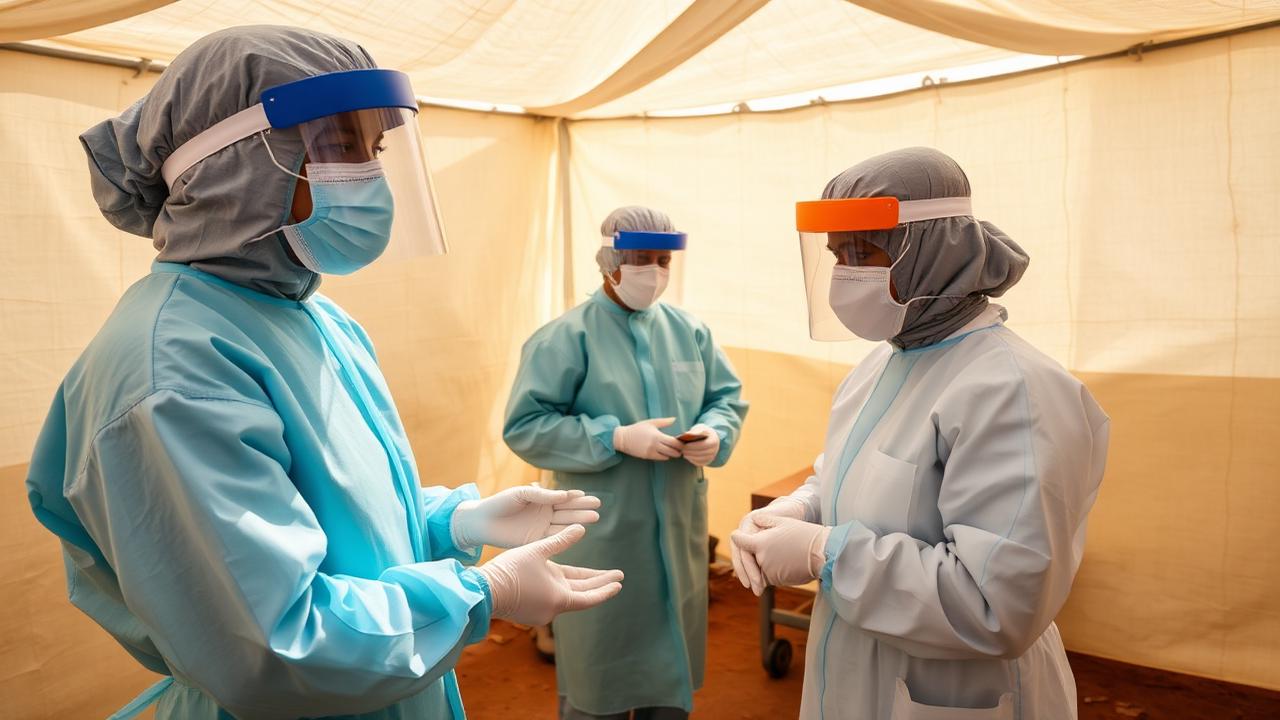
WHO says 58 suspected cases have been recorded, 10 laboratory confirmed, with no deaths — but evidence of community transmission makes early detection critical.

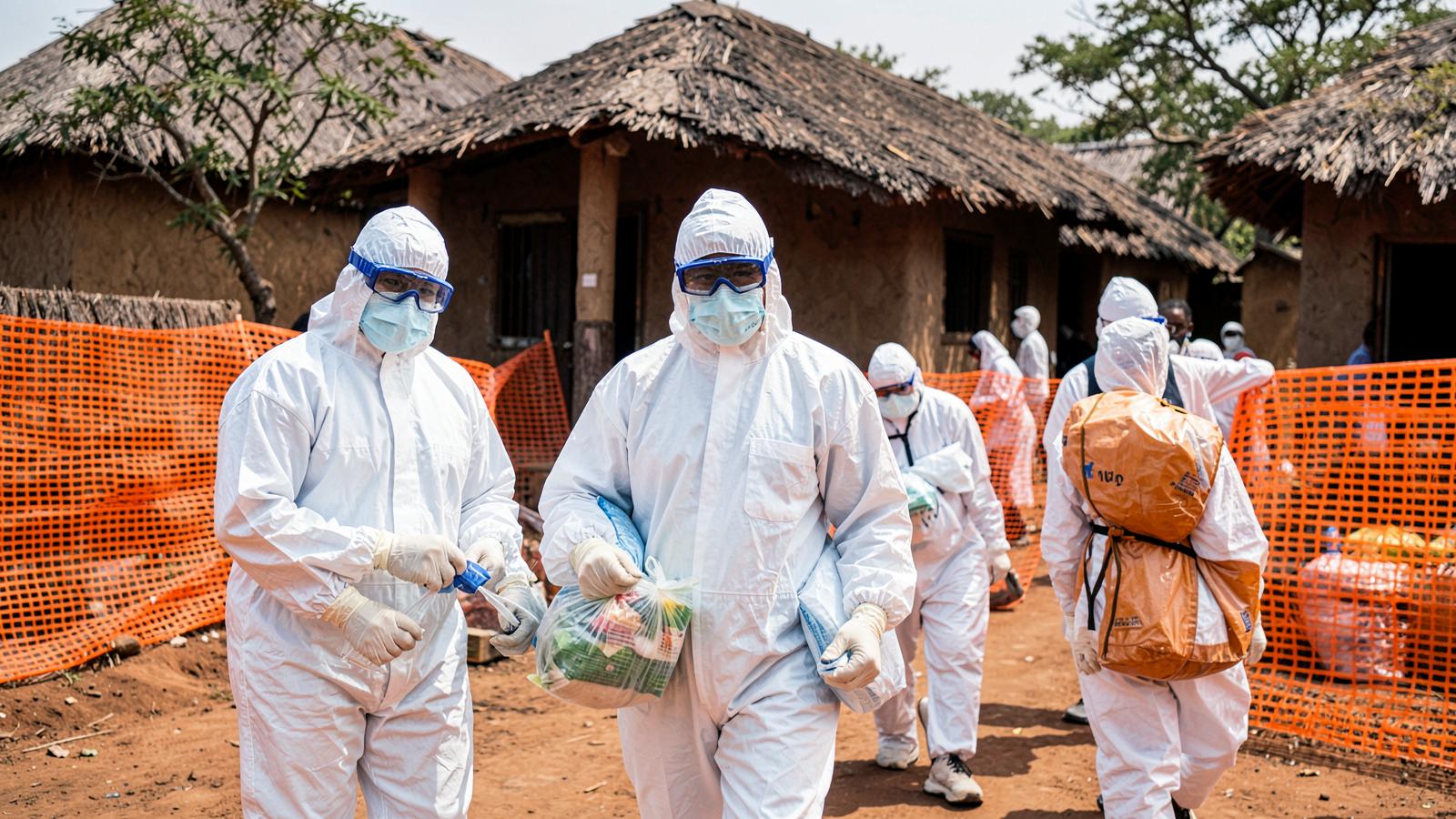
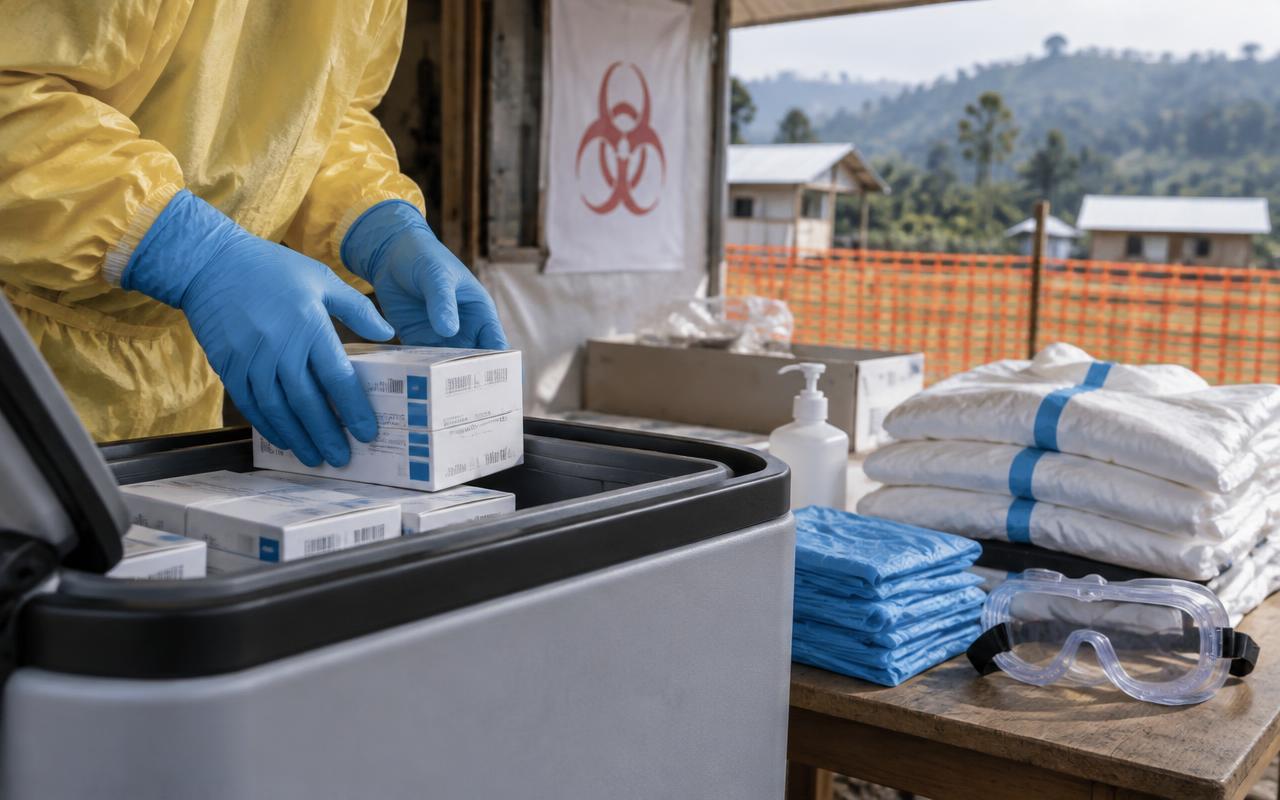
Uganda has completed 42 days without a confirmed case of Bundibugyo virus disease. Across the border, Congo is fighting the largest Ebola outbreak in its history.

Government figures show 2,325 deaths from 4,945 confirmed cases, surpassing the 2018–2020 epidemic.

More than 900 attacks on hospitals, medical workers and health infrastructure have been documented in 2026, with consequences that outlast each incident.

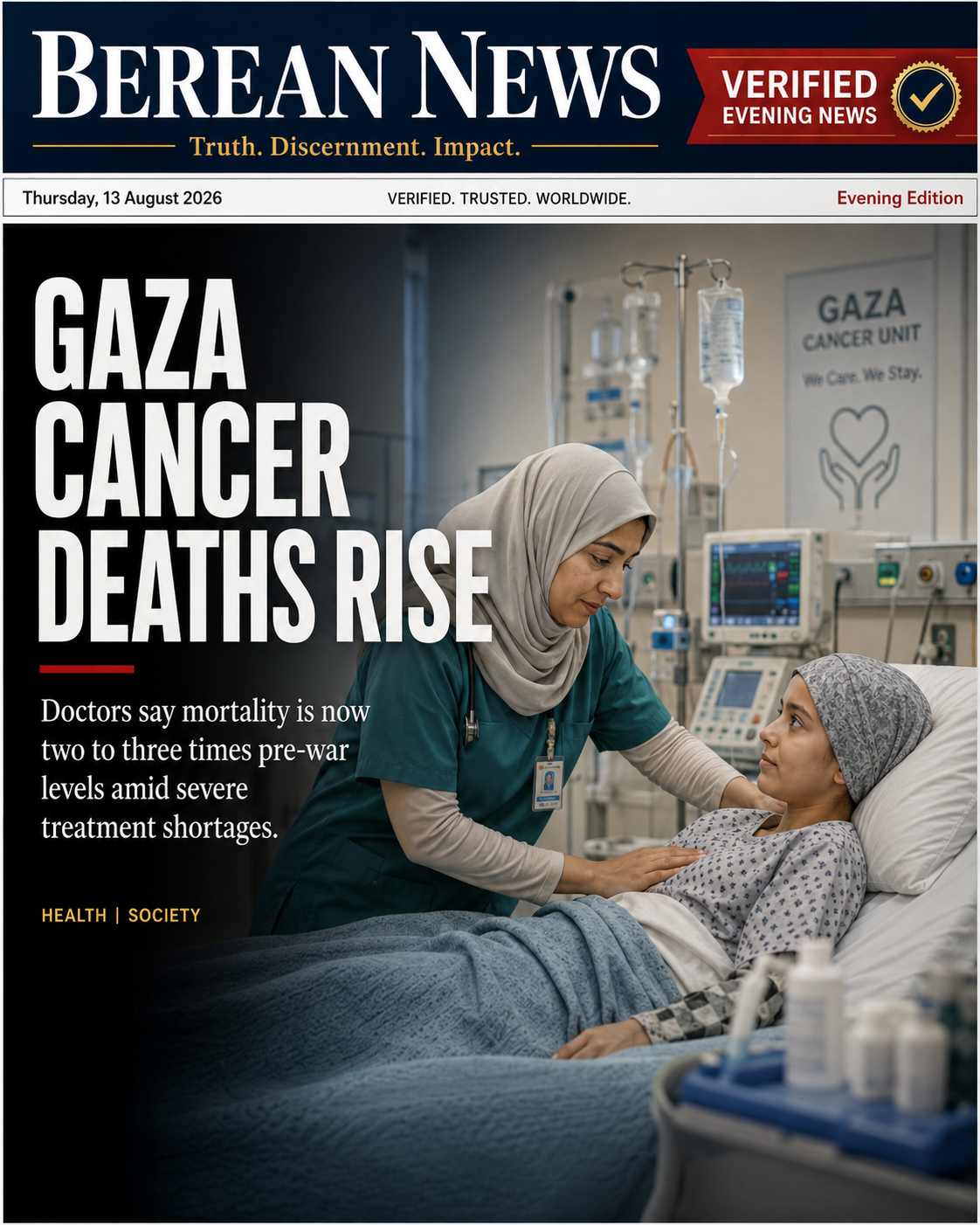
Doctors say cancer deaths have risen to three to five a day, while two Palestinians were killed in separate Israeli strikes on Thursday.

Regulators have cleared a new obesity tablet, broadening competition in the fast-growing treatment market.

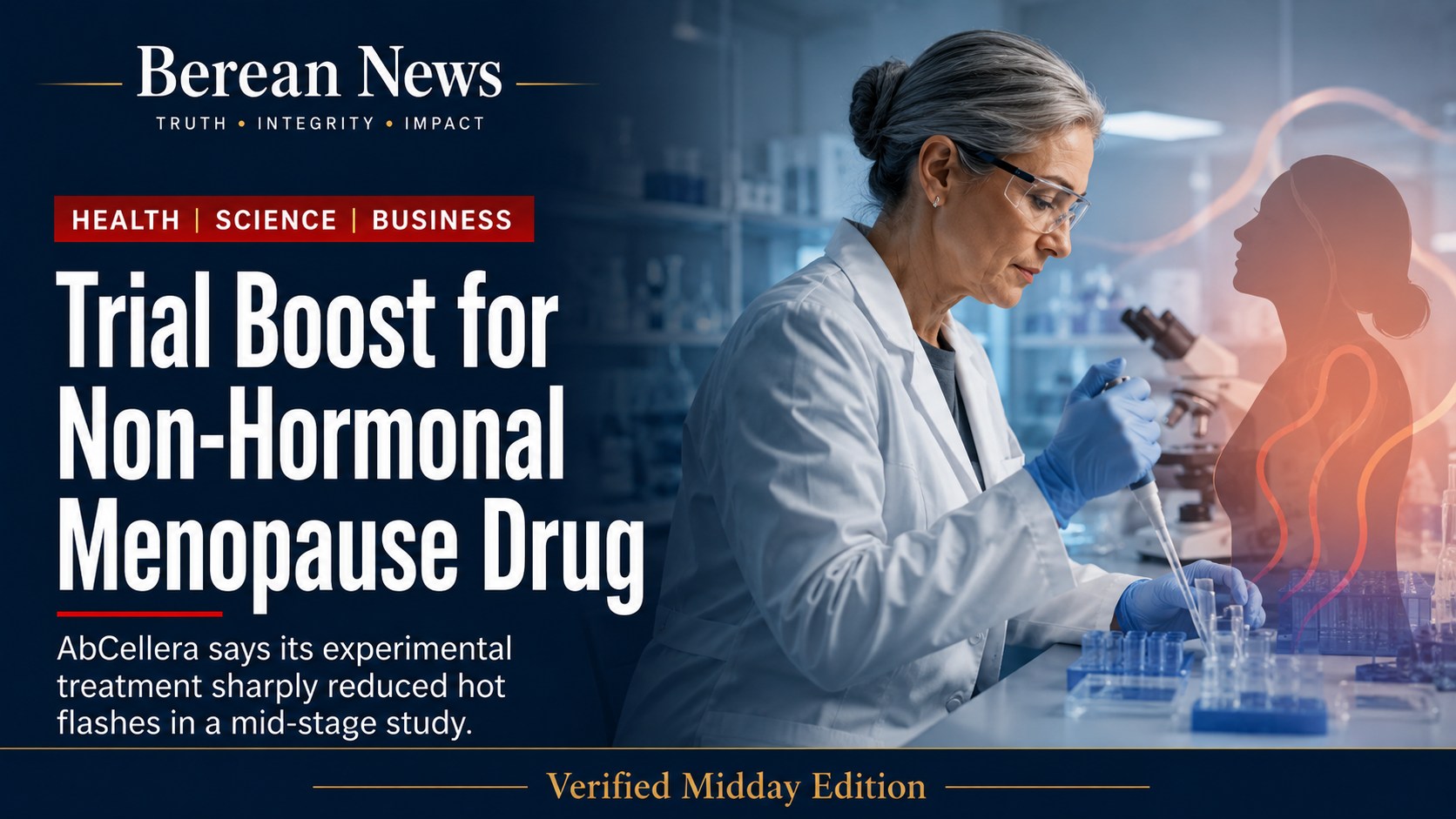
AbCellera says its experimental treatment sharply reduced hot flashes in a mid-stage study.

The life-sciences group expects double-digit expansion in India, driven by biopharma, semiconductors and clean energy.

Earlier report: outbreak passed 4,000 confirmed cases before rising to 4,727 infections and 2,214 deaths by 16 August 2026

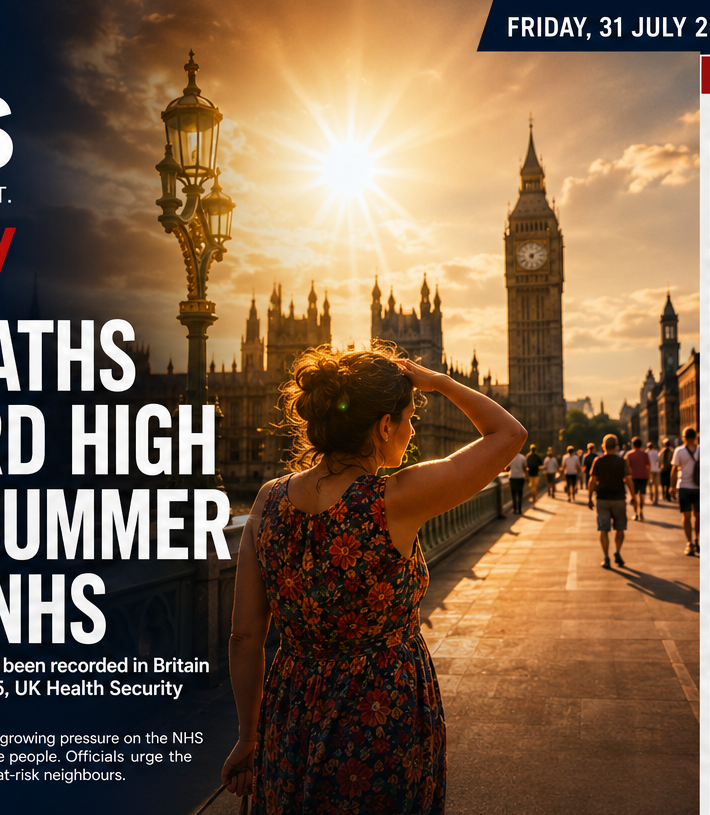
An estimated 2,877 excess deaths were associated with the May and June heatwaves in England and Wales, placing the 2026 summer close to the record levels recorded during the extreme heat of 2022.

The World Health Organization has published a new framework designed to reduce the environmental impact of medicines while protecting access to safe and essential treatments.

The proposed framework seeks to improve dignity, safety, staffing and accountability in services supporting older people at home, in communities and in residential facilities.

A proposed Investigational Marketing Authorisation could allow controlled access to promising treatments while further clinical and real-world evidence is collected.

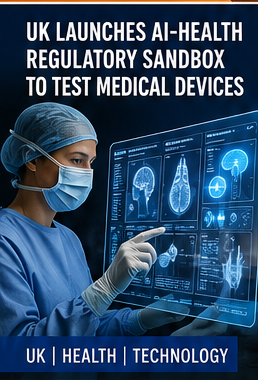
The MHRA, NHS England's London region and health-innovation networks have opened expressions of interest for London Region I, a regulatory sandbox for AI-enabled medical devices.

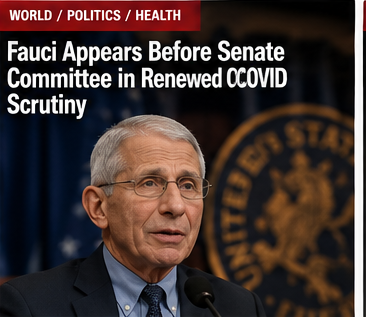
The former US infectious-disease adviser has appeared before a Senate committee examining decisions and communications connected with the COVID-19 pandemic.

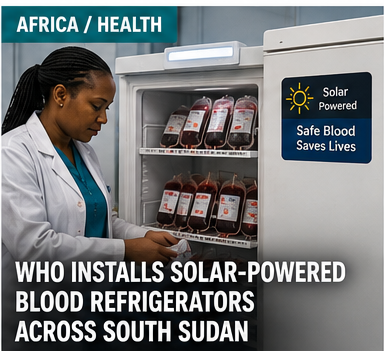
Thirteen refrigerators have been installed across all ten states and three administrative areas to improve the safe storage and availability of blood for emergency treatment.

World Hepatitis Day is being marked with renewed calls for governments to expand vaccination, testing and treatment as viral hepatitis continues to cause preventable liver disease, cancer and death.

A new WHO assessment says the world remains off track for the 2030 targets and calls for integrated care, stronger surveillance, sustained financing and community leadership.

Researchers, governments and community organisations are examining how twice-yearly injectable HIV prevention can be introduced affordably and effectively while global programme financing remains under severe pressure.

The first 27 centres are intended to combine GP, pharmacy and urgent-treatment services, but their effectiveness will depend on whether they add clinical capacity rather than simply relocating existing workers.

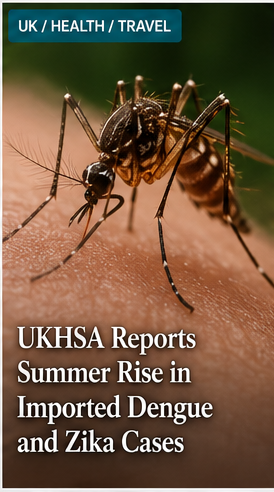
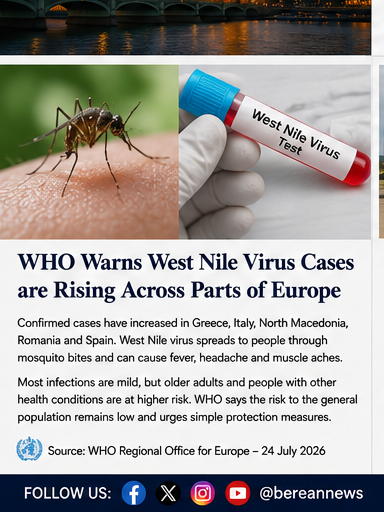
Travellers are being advised to prevent mosquito bites, check destination-specific health information and seek medical advice if they become unwell after returning to the UK.

A new interim list of trusted medical-device regulators is designed to help countries rely on established assessments and reduce unnecessary duplication.

The World Health Organization says the risk remains low for most people but has urged countries to strengthen mosquito surveillance and public awareness as the transmission season begins.

WHO says countries are moving from global planning to national implementation through stronger vaccination, laboratories, disease surveillance and patient care.

The World Health Organization has introduced a new policy package covering safer infrastructure, swimming education, childcare, rescue skills, water transport and flood preparedness.

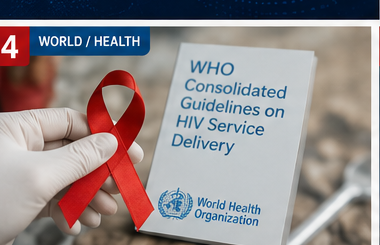
The 50-page document brings together more than a decade of recommendations intended to improve access, continuity, integration and equity in HIV care.

Health leaders say realistic simulation can improve patient safety, teamwork, emergency readiness and the resilience of national health services.

Research4Life now provides more than 12,000 institutions with access to over 250,000 journals, books and databases, helping researchers in lower-income countries participate more fully in global science.

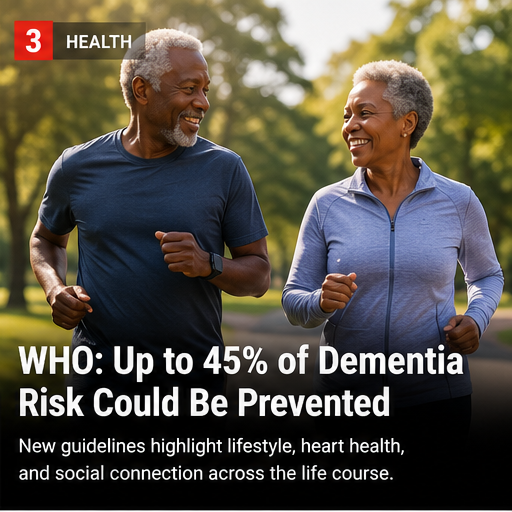
Updated WHO guidelines recommend physical activity, social engagement, tobacco cessation, improved heart health and reduced air-pollution exposure as part of a life-course approach to dementia prevention.