Oil Heads for 6% Weekly Surge as Renewed US-Iran Fighting Shakes Global Energy Markets
Renewed US-Iran fighting shakes energy markets, with US diesel prices reaching record levels and Hormuz traffic thinning further.

Renewed US-Iran fighting shakes energy markets, with US diesel prices reaching record levels and Hormuz traffic thinning further.

Investors reassess rate expectations as markets respond to stronger employment data, with the dollar and bond yields climbing.

Crude reversed earlier losses after Washington said no talks with Tehran were under way, with Brent trading in the high-$80s and US crude above $80.

Government raises its 2026 forecast to 11.05% as semiconductor exports surge on global AI hardware demand.

Soft household consumption and weaker investment weighed on April-to-June activity.

Investors look beyond chipmakers to software, cloud, data centres and power as AI spending seeks returns.

Cereal and cooking oil markets tighten as poor harvests in key producers combine with higher shipping and insurance costs.

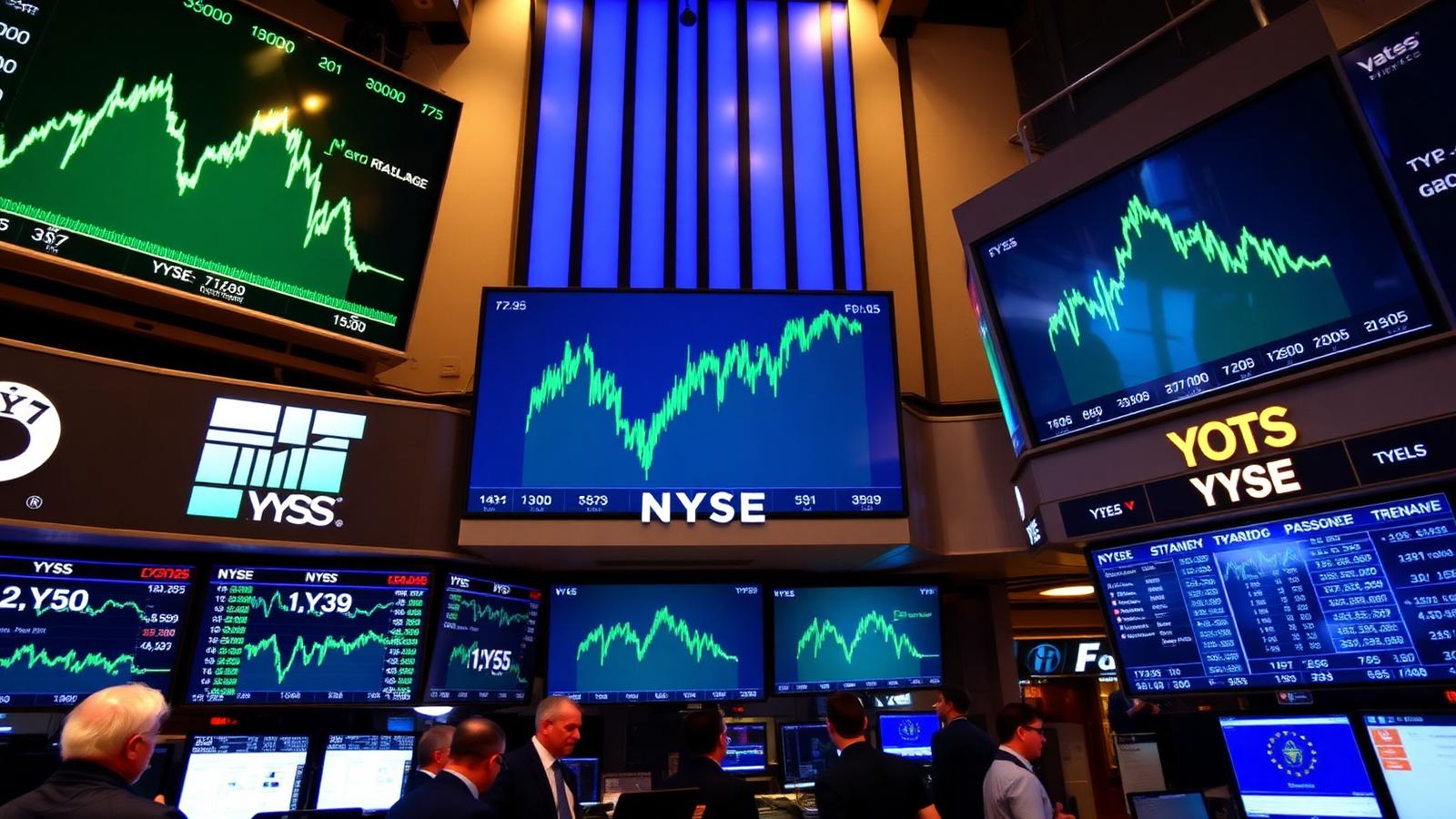
The S&P 500 rose 0.65% to a record 7,798.99 after flat July producer prices strengthened expectations that the Federal Reserve will hold rates in September.

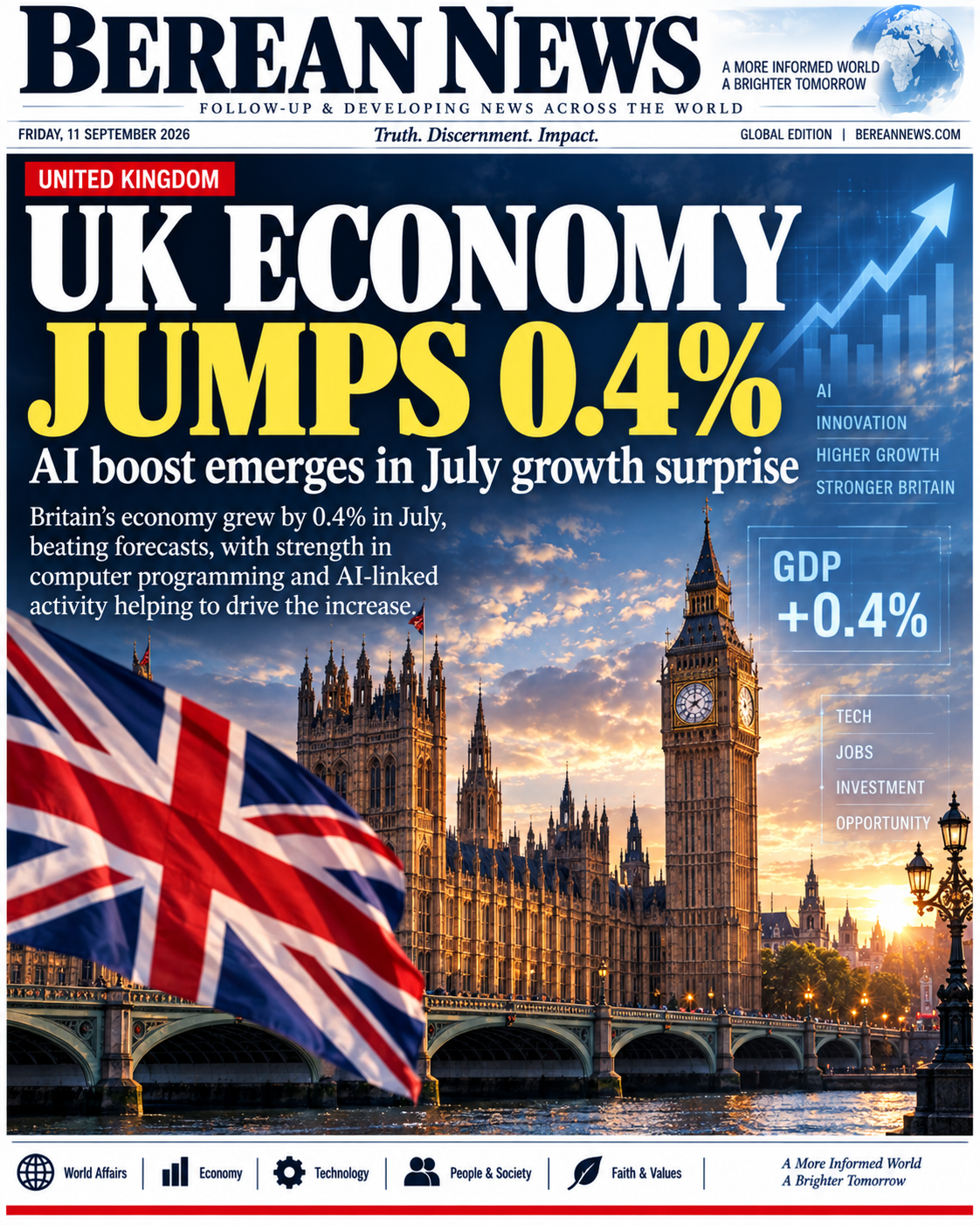
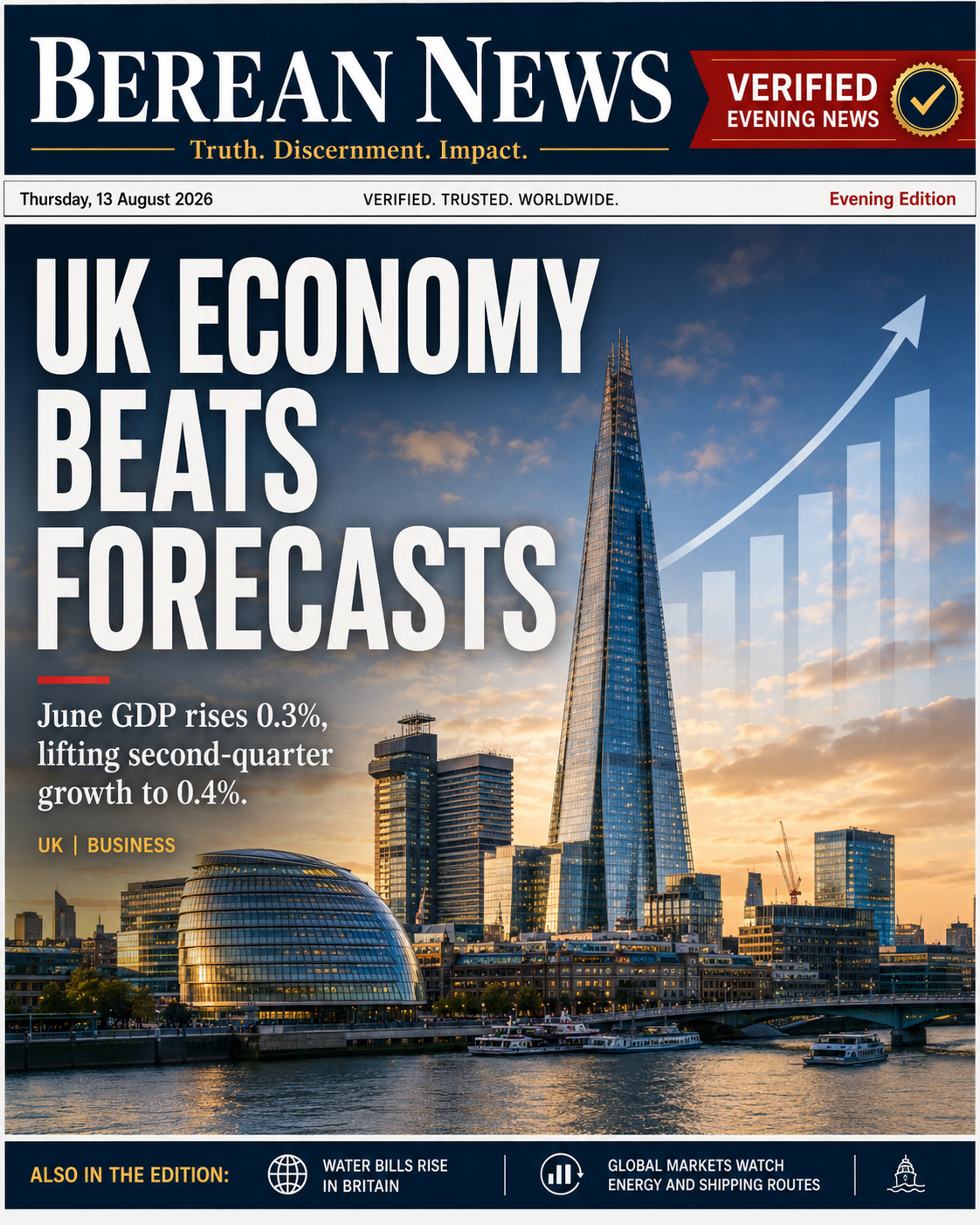
Monthly GDP rose 0.3% in June and 0.4% across the second quarter, led by services, though the outlook stays exposed to energy prices.

Gemini and DeepMind tools will support crew scheduling and maintenance, with Google Workspace extended to around 35,000 staff.

Core inflation stood at 2.5% year-on-year, reducing immediate pressure on the Federal Reserve to raise rates in September.

Reserve Bank of India Governor Sanjay Malhotra says talks are at an early stage — and stresses that no common BRICS currency is being launched.

Annual urban inflation accelerated from 14.3% in June but came in below the 15.6% forecast in a Reuters poll.

Under Greg Abel the conglomerate bought nearly $20bn more shares than it sold, ending 14 straight quarters as a net seller.

Confidence among British businesses rose to a four-month high in July as companies became more optimistic about the economy and experienced some relief from energy and operating-cost pressures.

Strong cloud earnings have helped Microsoft lead a recovery in US markets, but investors remain concerned about expensive artificial-intelligence infrastructure and the valuation of major semiconductor companies.

Meta generated $784 million in free cash flow in the second quarter, down from about $8.55 billion a year earlier, as capital spending on AI data centres accelerated.

The South African retailer expects headline earnings per share to rise between 2.5% and 7.5% for the 52 weeks to 28 June, after second-half trading slowed.

Consumer-credit growth reached 9.1% in June, raising questions about whether stronger spending reflects improving confidence or increasing dependence on borrowing.

Investor demand exceeded the shares available by more than 20%, giving Angola's privatisation programme one of its most significant capital-market transactions to date.

Economists expect the Bank of England to leave borrowing costs unchanged on Thursday, but renewed oil and gas price increases have raised the possibility of tighter monetary policy later in the year.

A preliminary survey recorded the strongest private-sector activity since February, although falling employment and renewed energy-price pressure continue to threaten the improvement.

British whisky now enters the United States without sector-specific tariffs, while a digitally documented shipment demonstrates how paperless trade could reduce export delays and costs.

The proposed guidance is intended to make amalgamations and transfers easier to navigate while preserving safeguards for members and policyholders.

The Bank will publish its next interest-rate decision and Monetary Policy Report on 30 July while continuing to monitor leverage, cyber threats and risks linked to frontier artificial intelligence.

The Bank says the UK financial system remains resilient, but concentrated AI-related markets, rising debt and greater hedge-fund leverage are creating new vulnerabilities.

The insurance company submitted incorrect information relating to Financial Services Compensation Scheme liabilities and levy calculations on multiple occasions between 2021 and 2024.