WHO Publishes Consolidated Guidance to Improve HIV Service Delivery
The 50-page document brings together more than a decade of recommendations intended to improve access, continuity, integration and equity in HIV care.
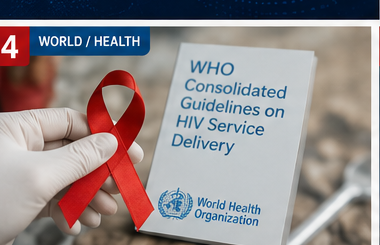
GENEVA — The World Health Organization has published consolidated guidance intended to help countries improve the delivery of HIV testing, treatment and long-term care.
The new 50-page publication brings together WHO's evidence-based HIV service-delivery recommendations issued between 2013 and 2025. It is aimed at governments, programme managers, healthcare professionals and organisations responsible for planning and delivering HIV services.
WHO says HIV remains a major global public-health challenge, particularly in low- and middle-income countries. Delayed or inconsistent implementation of proven interventions, shortages of health workers, weak supply chains and poorly integrated services continue to contribute to transmission, advanced illness and preventable deaths.
The guidance promotes services that are more people-centred, integrated and equitable. Its goals include improving access to care, helping patients remain on treatment and accelerating progress towards ending AIDS as a public-health threat.
Successful HIV treatment depends on more than the availability of antiretroviral medicines. People must be diagnosed, connected to healthcare, supported to continue treatment and able to obtain medicines and monitoring without unnecessary disruption.
Patients may stop attending services because of travel costs, stigma, inconvenient appointments, medicine shortages, employment pressures or negative experiences within the health system. Service-delivery reform aims to reduce those barriers and make care easier to access and sustain.
An integrated approach is also increasingly important because people receiving effective HIV treatment are living longer and may require care for other health conditions. Better coordination can reduce repeated clinic visits and help patients receive more complete care.
However, publishing guidance does not automatically change services. Implementation will require trained workers, dependable medicine supplies, accurate data, community engagement and sufficient public financing.
Countries will also need to adapt the recommendations to local circumstances. A model that works in a major city may not be appropriate for remote or conflict-affected communities where clinics, transport and laboratory services are limited.
The new guidance gives health authorities a consolidated evidence base. Its impact will depend on whether recommendations are translated into practical changes that improve the experience and health outcomes of people living with HIV.
Corrections & updates
- Story updatedJul 24, 2026, 8:09 AM
- Story published
Verified against the sources cited in this report.
Jul 23, 2026, 8:00 AM
Related stories

WHO Warns Attacks on Healthcare Are Becoming a Global Crisis
More than 900 attacks on hospitals, medical workers and health infrastructure have been documented in 2026, with consequences that outlast each incident.
World Hepatitis Day Highlights Preventable Liver-Cancer Deaths and Gaps in Care
World Hepatitis Day is being marked with renewed calls for governments to expand vaccination, testing and treatment as viral hepatitis continues to cause preventable liver disease, cancer and death.
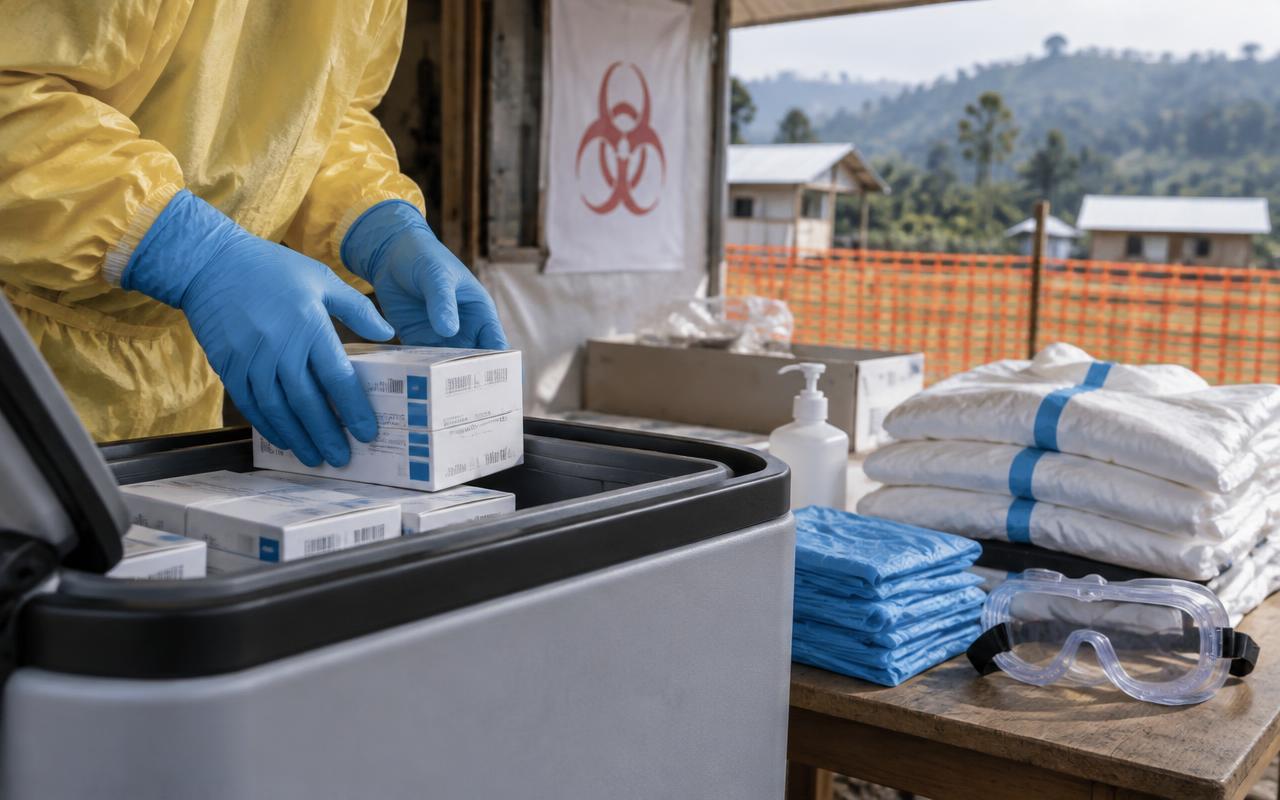
Congo Ebola response shows encouraging signs but WHO warns crisis is far from over
More than 7,000 infections have been recorded across seven provinces as responders confront the Bundibugyo strain and assess vaccine options.