UKHSA Reports Summer Rise in Imported Dengue and Zika Cases
Travellers are being advised to prevent mosquito bites, check destination-specific health information and seek medical advice if they become unwell after returning to the UK.
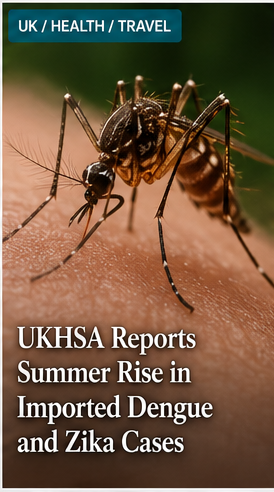
LONDON — The UK Health Security Agency has urged travellers to take precautions after surveillance data showed continued imported dengue and Zika infections during the spring and summer travel season.
A total of 137 dengue cases were reported in England between January and June 2026. June recorded the highest monthly dengue total of the year so far. South-East and South Asia remained the most frequently reported regions of exposure, including 27 cases associated with Thailand and 19 with the Maldives.
Eight Zika virus cases were reported during the same six-month period across the surveillance area, exceeding the seven cases recorded during the whole of 2025. Four of the 2026 cases were linked to travel in Indonesia.
UKHSA also recorded 59 chikungunya cases from January to June, with Sri Lanka the most frequently reported travel destination, accounting for 18 cases. A further 557 malaria cases were reported in England, Wales and Northern Ireland from January to May.
These figures relate primarily to infections acquired overseas. They do not indicate widespread domestic transmission of dengue, Zika or chikungunya within the United Kingdom.
Mosquito-borne infections may cause fever, headache, muscle and joint pain, nausea, vomiting and rash. Some infections produce no symptoms, while others may become serious.
Zika usually causes mild illness, but it presents a significant risk during pregnancy because infection may be passed to an unborn baby and can cause severe birth defects. There is currently no vaccine or specific treatment, making mosquito-bite prevention particularly important.
Travellers are advised to use insect repellent, wear clothing that covers exposed skin and sleep under an insecticide-treated bed net where appropriate. They should also check destination-specific guidance before departure.
Malaria can be fatal but is largely preventable when the correct antimalarial medicine is taken properly. Travellers should seek professional advice early enough to complete any recommended vaccination or preventive treatment before departure.
Food and water hygiene also matter because UKHSA's travel surveillance includes diseases such as typhoid and paratyphoid fever, which may be contracted through contaminated food or drinking water.
Anyone who develops fever or other concerning symptoms during or after international travel should tell a healthcare professional where they have visited. Pregnant travellers or those planning pregnancy should follow specialist Zika guidance.
The message is precautionary rather than alarmist: overseas travel remains safe for most people when appropriate measures are taken, but preventable infections continue to be imported into the UK every summer.
Corrections & updates
- Story updatedJul 27, 2026, 7:07 AM
- Story published
Verified against the sources cited in this report.
Jul 27, 2026, 6:15 AM
Related stories
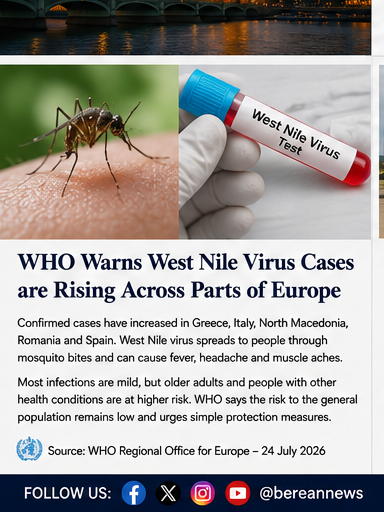
WHO Warns West Nile Virus Cases Are Rising Across Parts of Europe
The World Health Organization says the risk remains low for most people but has urged countries to strengthen mosquito surveillance and public awareness as the transmission season begins.

Children exposed to 9/11 to receive major long-term health study
United States health authorities have funded a multi-year study of people who were children in lower Manhattan in 2001, twenty-five years on.
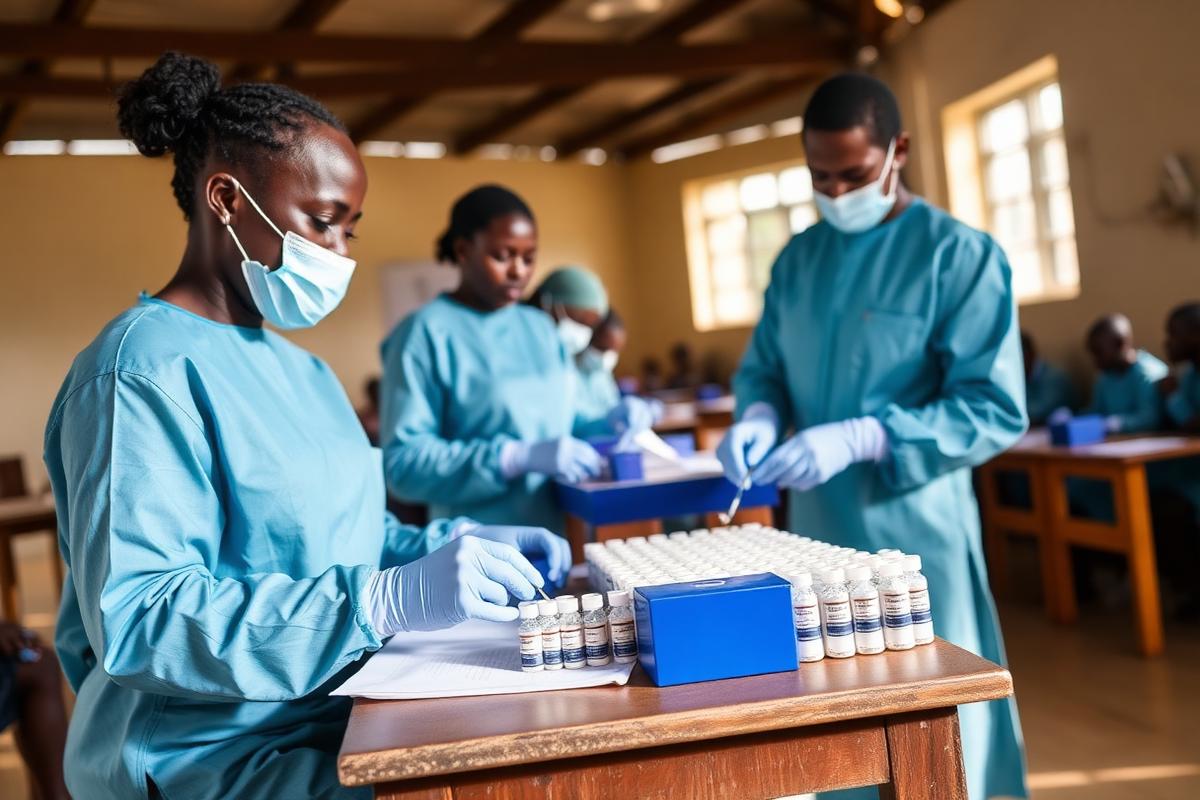
Africa Adopts 10-Year Plan to Protect Hard-Won Polio Gains
Health ministers approved the framework at the 76th WHO Regional Committee for Africa in Addis Ababa, focusing on surveillance, immunity and outbreak response.