WHO Installs Solar-Powered Blood Refrigerators Across South Sudan
Thirteen refrigerators have been installed across all ten states and three administrative areas to improve the safe storage and availability of blood for emergency treatment.
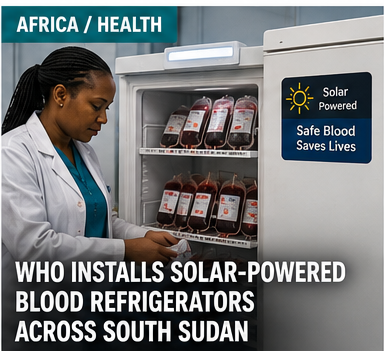
JUBA — The World Health Organization has delivered and installed 13 solar-powered blood-bank refrigerators in health facilities across South Sudan.
The equipment has been distributed across all ten states and the country's three administrative areas, strengthening the ability of health facilities to store blood safely even where electricity supplies are unreliable.
Blood must be stored within controlled temperature ranges to remain safe and effective. Unreliable refrigeration can result in wastage, reduce available supplies and delay transfusions during medical emergencies.
South Sudanese health officials say the demand for blood continues to exceed supply. The new refrigerators are expected to support facilities providing comprehensive emergency obstetric and newborn care, where rapid access to transfusion can be lifesaving.
The equipment can also support trauma care, surgery and treatment for patients with severe anaemia or other conditions requiring blood products.
The refrigerators were financed through the Health Sector Transformation Project, managed by the World Bank. The wider funding arrangement includes contributions from the World Bank Group, UK International Development, Gavi, the Global Fund, Canada and the European Union.
Solar systems are particularly valuable in locations where electricity grids are absent, damaged or unreliable. However, refrigeration is only one component of a safe blood service.
Health facilities also require enough voluntary donors, screening supplies, trained laboratory staff, dependable transport and systems for matching blood safely with patients. Equipment must also be serviced and monitored to ensure that temperatures remain within the required range.
Globally, blood availability remains unequal. WHO says low-income countries collect far fewer donations per thousand people than high-income countries, despite carrying substantial burdens from maternal complications, childhood anaemia, accidents and infectious disease.
The South Sudan initiative is therefore an important infrastructure improvement, but it must be supported by donor recruitment, quality testing, staff training and reliable supply chains.
The practical measure of success will be whether facilities experience fewer shortages and whether patients receive safe transfusions more quickly during emergencies.
Corrections & updates
- Story updatedJul 28, 2026, 11:30 AM
- Story published
Verified against the sources cited in this report.
Jul 28, 2026, 11:14 AM
Related stories
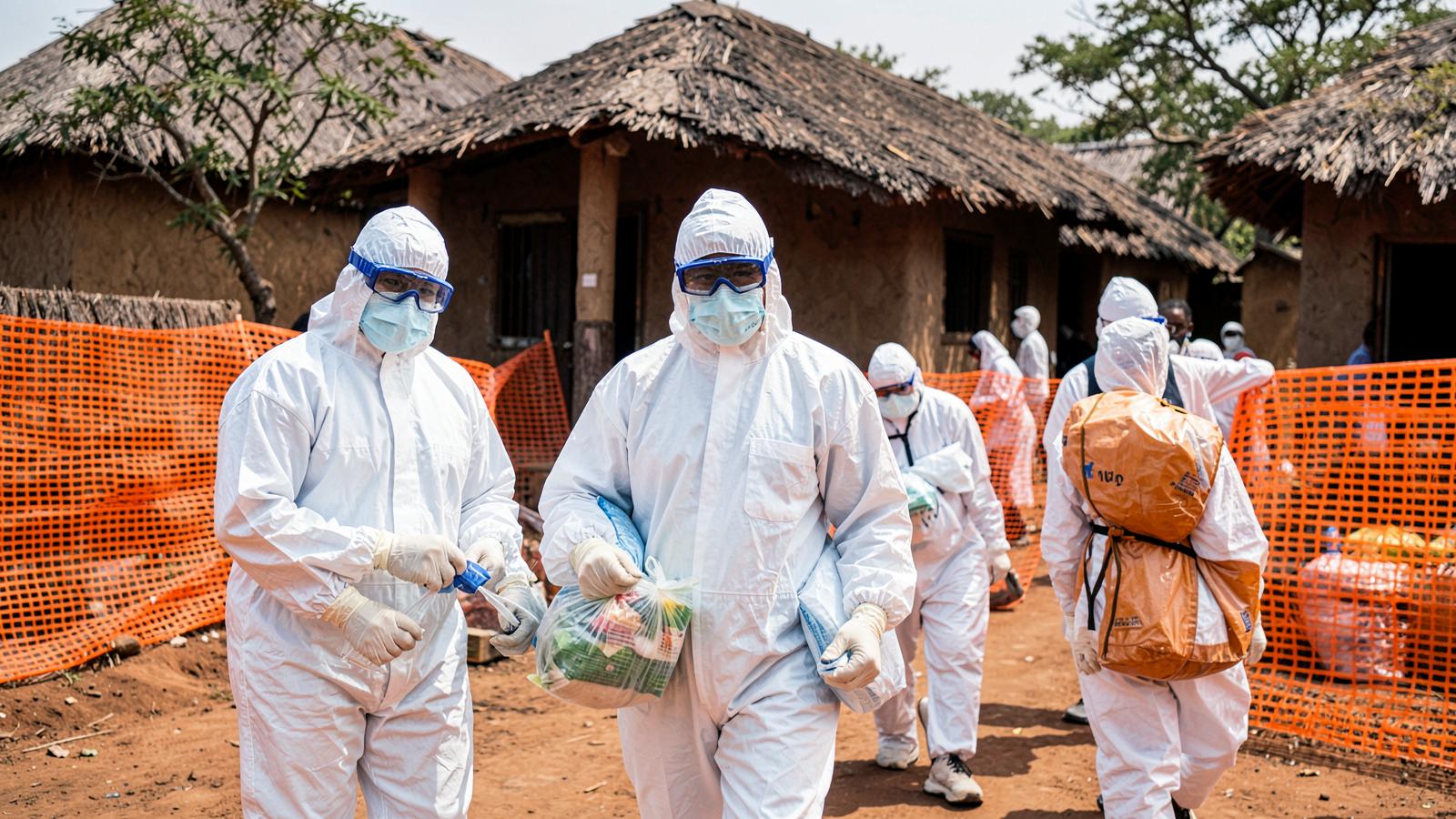
Congo Ebola outbreak spreads to sixth province as cases pass 4,500
Health authorities confirm transmission in a sixth province, with cumulative cases above 4,500, months after neighbouring Uganda declared its own outbreak over.
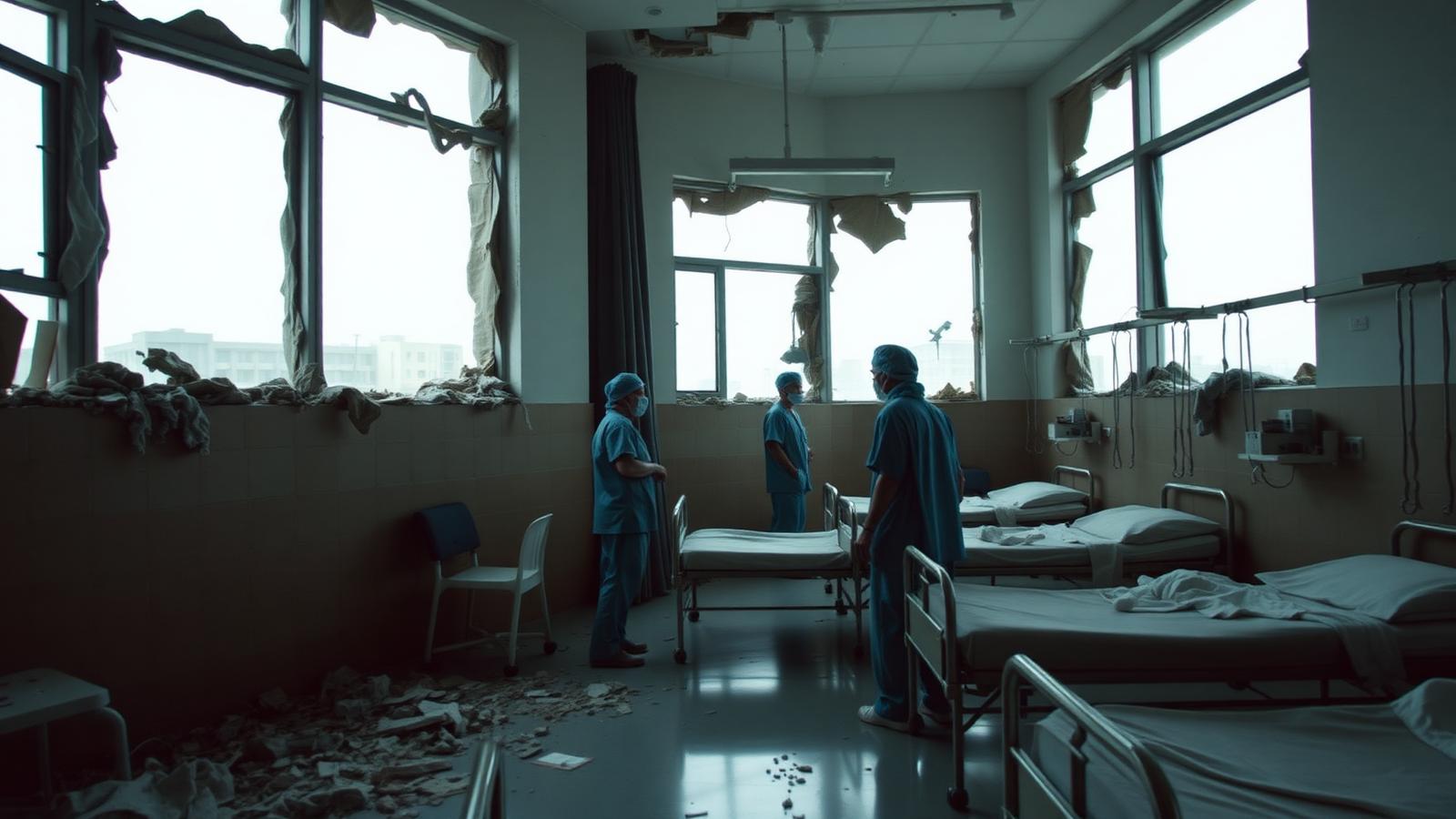
WHO Warns Attacks on Healthcare Are Becoming a Global Crisis
More than 900 attacks on hospitals, medical workers and health infrastructure have been documented in 2026, with consequences that outlast each incident.
World Hepatitis Day Highlights Preventable Liver-Cancer Deaths and Gaps in Care
World Hepatitis Day is being marked with renewed calls for governments to expand vaccination, testing and treatment as viral hepatitis continues to cause preventable liver disease, cancer and death.