WHO Introduces New Regulatory Path to Speed Access to Safe Medical Devices
A new interim list of trusted medical-device regulators is designed to help countries rely on established assessments and reduce unnecessary duplication.
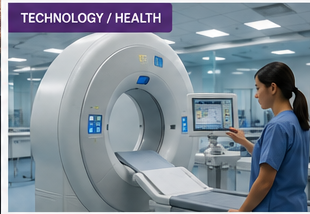
GENEVA — The World Health Organization has published its first interim list of recognised regulatory authorities for medical devices, creating a new pathway intended to support faster access to safe and quality-assured products.
The list identifies transitional WHO Listed Authorities, known as tWLAs, that have demonstrated established regulatory performance in overseeing medical devices. The arrangement will remain in place while WHO finalises its full evaluation system for permanent listed-authority status.
Medical devices include products ranging from syringes and diagnostic tests to pacemakers, implants, imaging systems and other specialised technologies. Regulators are responsible for assessing whether these products meet appropriate standards for quality, safety and performance before they reach patients.
The complexity of modern medical technology can place significant demands on regulatory agencies. Countries with limited specialist capacity may struggle to repeat detailed assessments already completed by experienced authorities.
Regulatory reliance allows one authority to consider or use the work of another trusted regulator while retaining responsibility for its own national decision. This can reduce duplication, improve efficiency and help patients gain access to essential products more quickly.
The interim arrangement replaces the older concept of Stringent Regulatory Authorities with a more transparent, performance-based WHO framework. Authorities on the transitional list must complete the full WHO evaluation process before receiving permanent status.
The approach could be particularly valuable during public-health emergencies, when rapid access to reliable diagnostic tests and medical equipment is essential. It may also help smaller regulatory systems focus their limited resources on local surveillance, inspections and products requiring additional national review.
Reliance does not mean automatic acceptance. National authorities must still consider local law, health-system requirements, population needs, supply conditions and post-market safety information.
The WHO framework is intended to strengthen cooperation between regulators and create clearer reference points for countries deciding whose assessments they can trust.
Its success will depend on transparency, conflict-of-interest safeguards, the quality of shared information and continued monitoring after products enter the market.
Corrections & updates
- Story updatedJul 26, 2026, 6:56 AM
- Story published
Verified against the sources cited in this report.
Jul 26, 2026, 5:00 AM
Related stories

Applications Open for London Programme Testing AI Medical Devices in NHS Settings
The MHRA, NHS England's London region and health-innovation networks have opened expressions of interest for London Region I, a regulatory sandbox for AI-enabled medical devices.
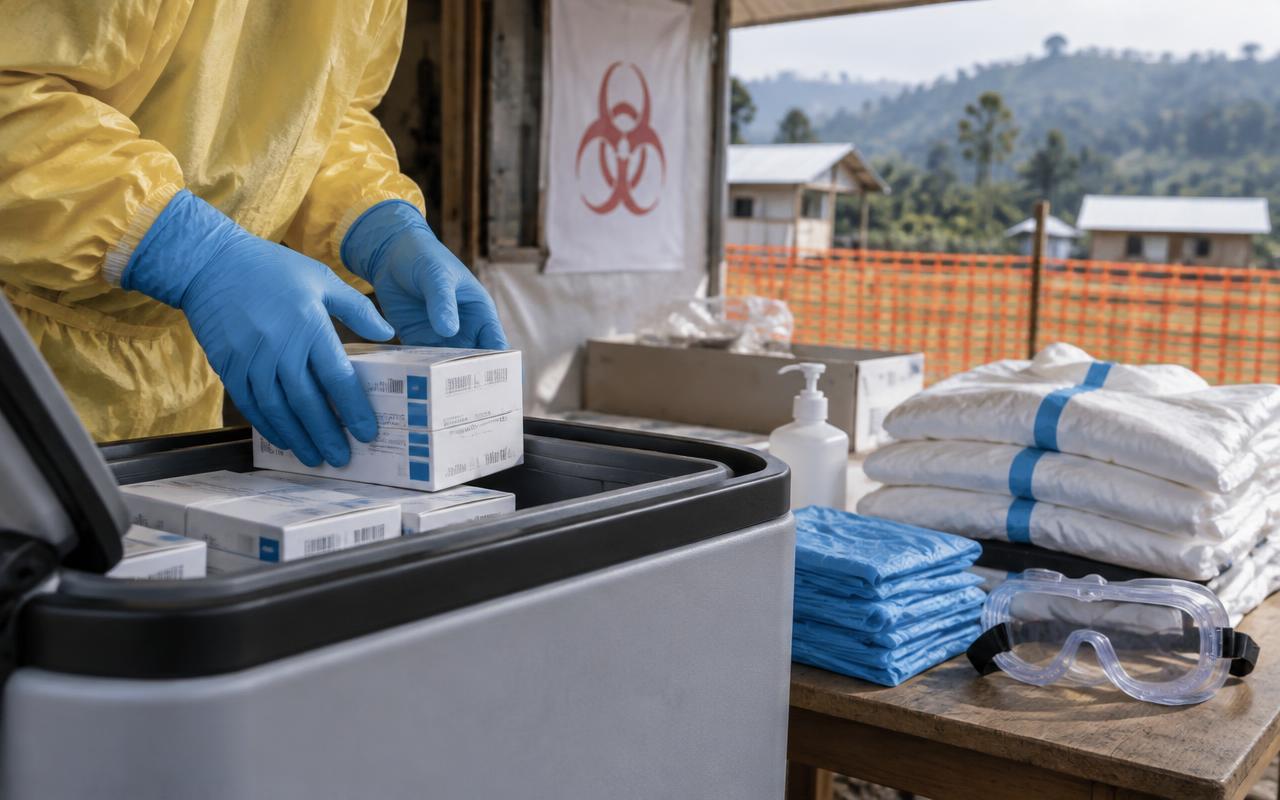
Congo Ebola response shows encouraging signs but WHO warns crisis is far from over
More than 7,000 infections have been recorded across seven provinces as responders confront the Bundibugyo strain and assess vaccine options.

"AI could kill us all" — insider quits with warning
A senior safety researcher has left one of the leading artificial intelligence laboratories, saying internal safeguards are not keeping pace with the speed at which the most capable systems are being deployed.