Congo Ebola outbreak spreads to sixth province as cases pass 4,500
Health authorities confirm transmission in a sixth province, with cumulative cases above 4,500, months after neighbouring Uganda declared its own outbreak over.
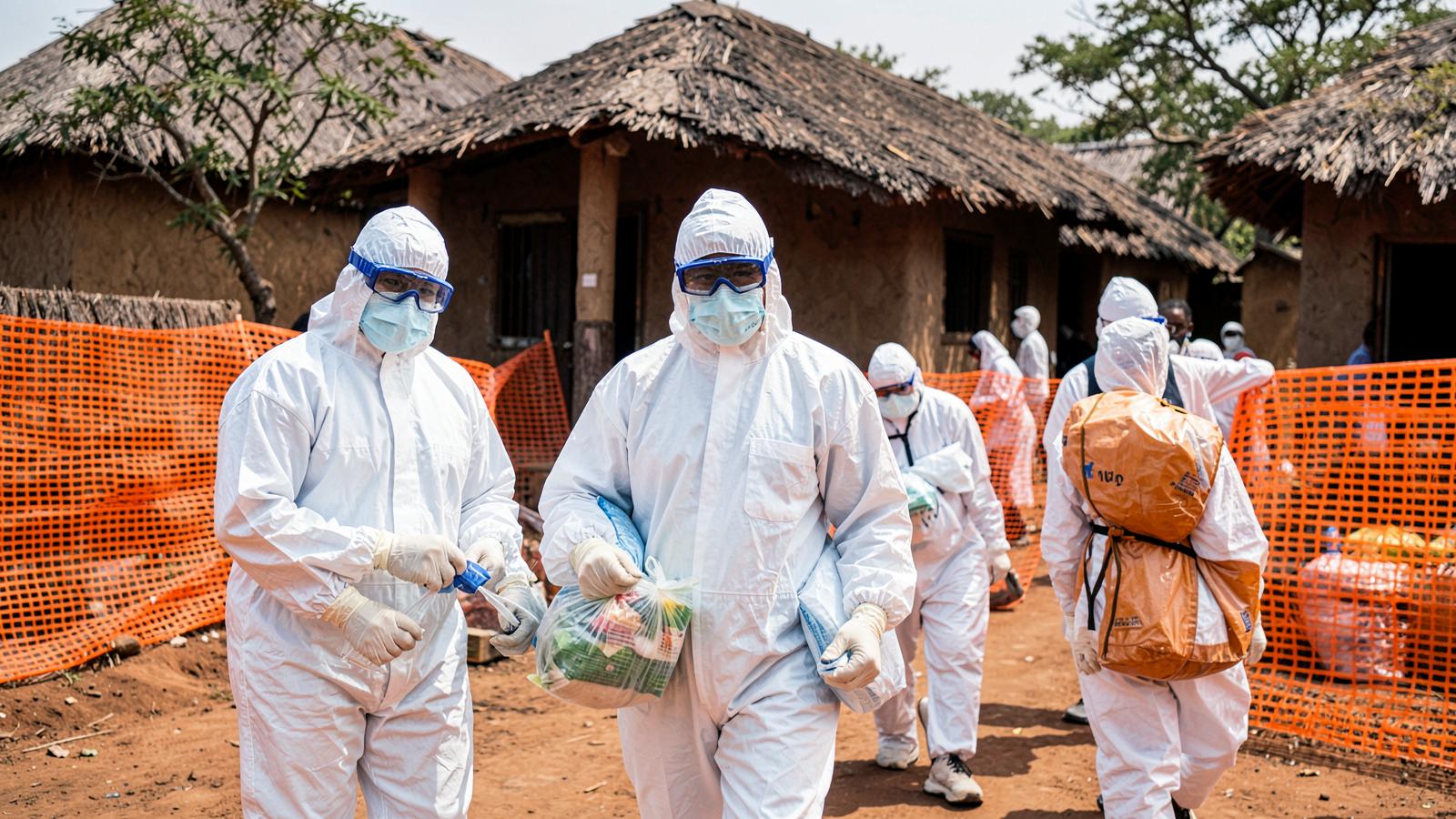
The Ebola epidemic in the Democratic Republic of Congo has spread to a sixth province, health authorities confirmed on Thursday, with cumulative cases now above 4,500 since the outbreak was declared.
Response teams said the newly affected area sits along a busy trade route, which complicates contact tracing because people move across provincial boundaries daily for markets and work.
Where the response stands
Vaccination of contacts and contacts-of-contacts continues, alongside treatment centres run with international partners. Health workers again reported the two constraints that have shaped this outbreak throughout: insecurity in parts of the east that limits access, and community mistrust that delays people presenting for care.
The regional picture
Neighbouring Uganda declared its Bundibugyo outbreak over earlier in the year after completing the required period with no new cases. That declaration does not reduce the risk to Congo, and cross-border screening remains in place.
Compiled from World Health Organization situation reports and Congolese health ministry statements. Verification cut-off 22:30 BST on 10 September 2026. Case and death totals in an active outbreak are provisional and revised regularly.
Corrections & updates
- Marked as a developing story
This report is being updated as verified information arrives.
Sep 10, 2026, 10:20 PM - Story published
Verified against the sources cited in this report.
Aug 17, 2026, 6:40 AM
Related stories
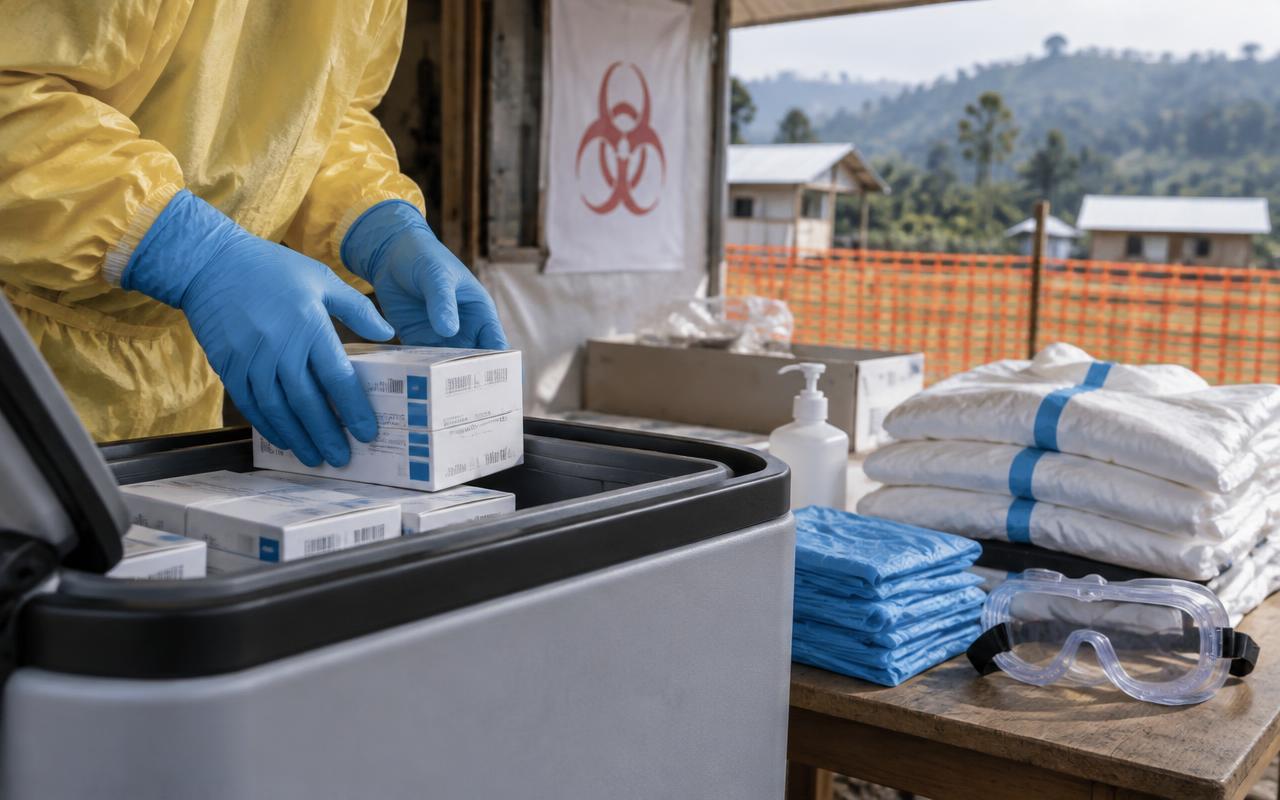
Congo Ebola response shows encouraging signs but WHO warns crisis is far from over
More than 7,000 infections have been recorded across seven provinces as responders confront the Bundibugyo strain and assess vaccine options.

WHO Warns Attacks on Healthcare Are Becoming a Global Crisis
More than 900 attacks on hospitals, medical workers and health infrastructure have been documented in 2026, with consequences that outlast each incident.
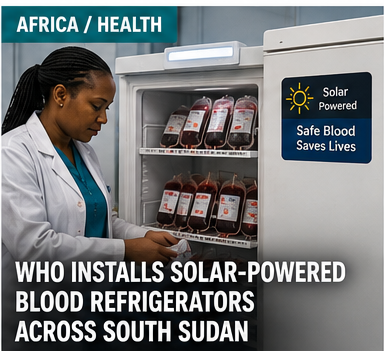
WHO Installs Solar-Powered Blood Refrigerators Across South Sudan
Thirteen refrigerators have been installed across all ten states and three administrative areas to improve the safe storage and availability of blood for emergency treatment.