WHO Marks 25 Years of Research4Life as Scientific Access Expands Across 120 Countries
Research4Life now provides more than 12,000 institutions with access to over 250,000 journals, books and databases, helping researchers in lower-income countries participate more fully in global science.
GENEVA — The World Health Organization has marked the 25th anniversary of Research4Life, a global partnership created to reduce inequality in access to scientific and academic information.
Research4Life provides researchers, educators, health professionals and policymakers in low- and middle-income countries with free or affordable access to scientific journals, books, databases and other research resources. The initiative currently supports institutions in more than 120 countries.
The programme began in 2001 as a three-year pilot initiative led by WHO with six publishing partners. It has since developed into one of the world's largest and longest-running public-private partnerships dedicated to equitable access to scientific research.
Research4Life now brings together more than 185 publishers and partner organisations. More than 12,000 registered institutions can access over 250,000 journals, books and databases from major publishers and research organisations.
WHO says independent studies have associated Research4Life with increases of up to 75 per cent in research publishing in participating settings. Participation in international clinical trials has risen by more than 20 per cent, while publication rates among women researchers have increased by as much as 30 per cent in countries where barriers are most significant.
Access to current research remains difficult for many universities, hospitals and public institutions because commercial journal subscriptions can be prohibitively expensive. When health workers and researchers cannot consult recent evidence, the consequences may affect medical education, clinical practice, agricultural policy and national decision-making.
The partnership has expanded beyond providing access to publications. It now offers training, publishing assistance and collaborative opportunities intended to help researchers produce, publish and share their own work.
This is particularly important because scientific inequality is not solved simply by allowing researchers to read international studies. Scholars in lower-income countries must also be able to contribute evidence from their communities to global academic discussion.
Research4Life is supported by WHO, the World Intellectual Property Organization, the Food and Agriculture Organization, the International Labour Organization, the United Nations Environment Programme, Cornell University, Yale University and publishing-sector partners.
The partnership is now developing its Research4Life 2030 Strategy. Among the issues being considered are article-processing charges, which can prevent researchers from publishing in open-access journals even when the resulting work is available to read without payment.
WHO says addressing these new financial barriers will be essential if scientific knowledge is to function as a global public good.
Corrections & updates
- Story updatedAug 27, 2026, 1:52 PM
- Story published
Verified against the sources cited in this report.
Jul 22, 2026, 7:05 AM
Related stories

WHO Warns Attacks on Healthcare Are Becoming a Global Crisis
More than 900 attacks on hospitals, medical workers and health infrastructure have been documented in 2026, with consequences that outlast each incident.
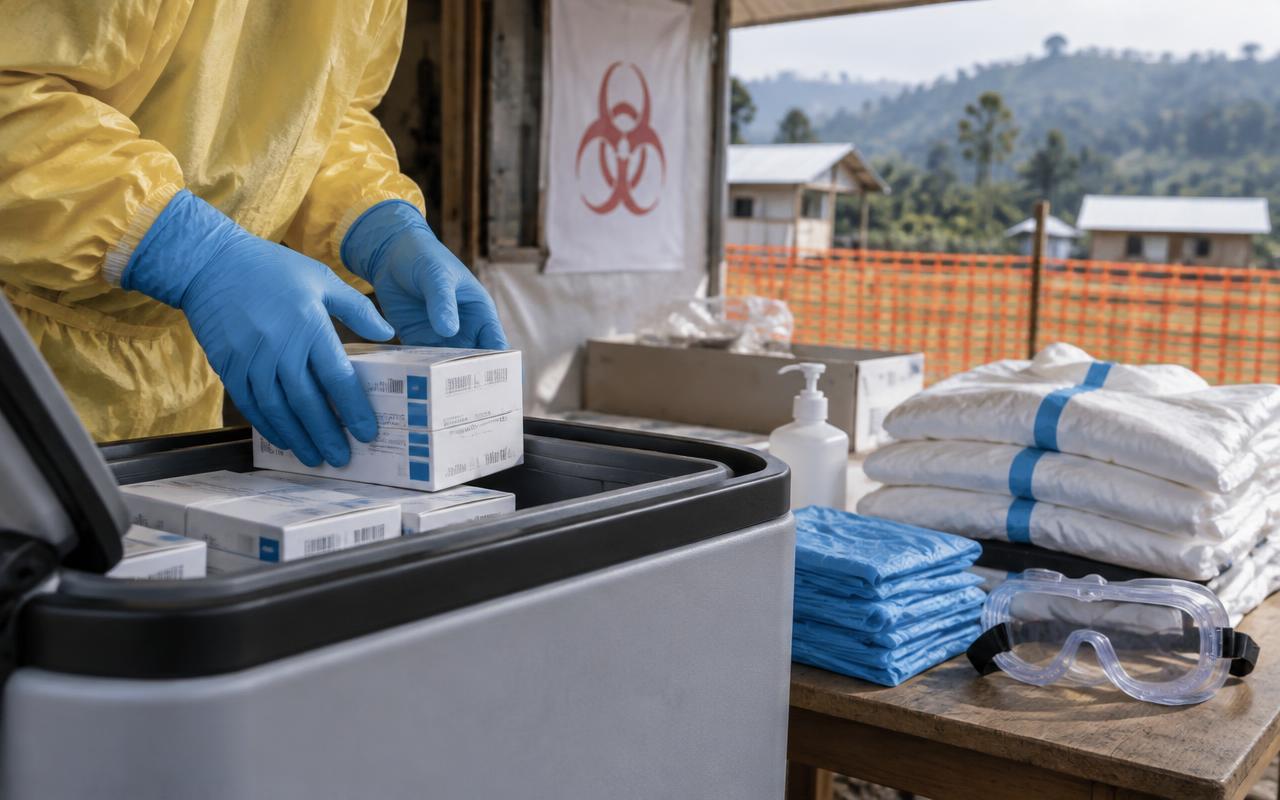
Congo Ebola response shows encouraging signs but WHO warns crisis is far from over
More than 7,000 infections have been recorded across seven provinces as responders confront the Bundibugyo strain and assess vaccine options.
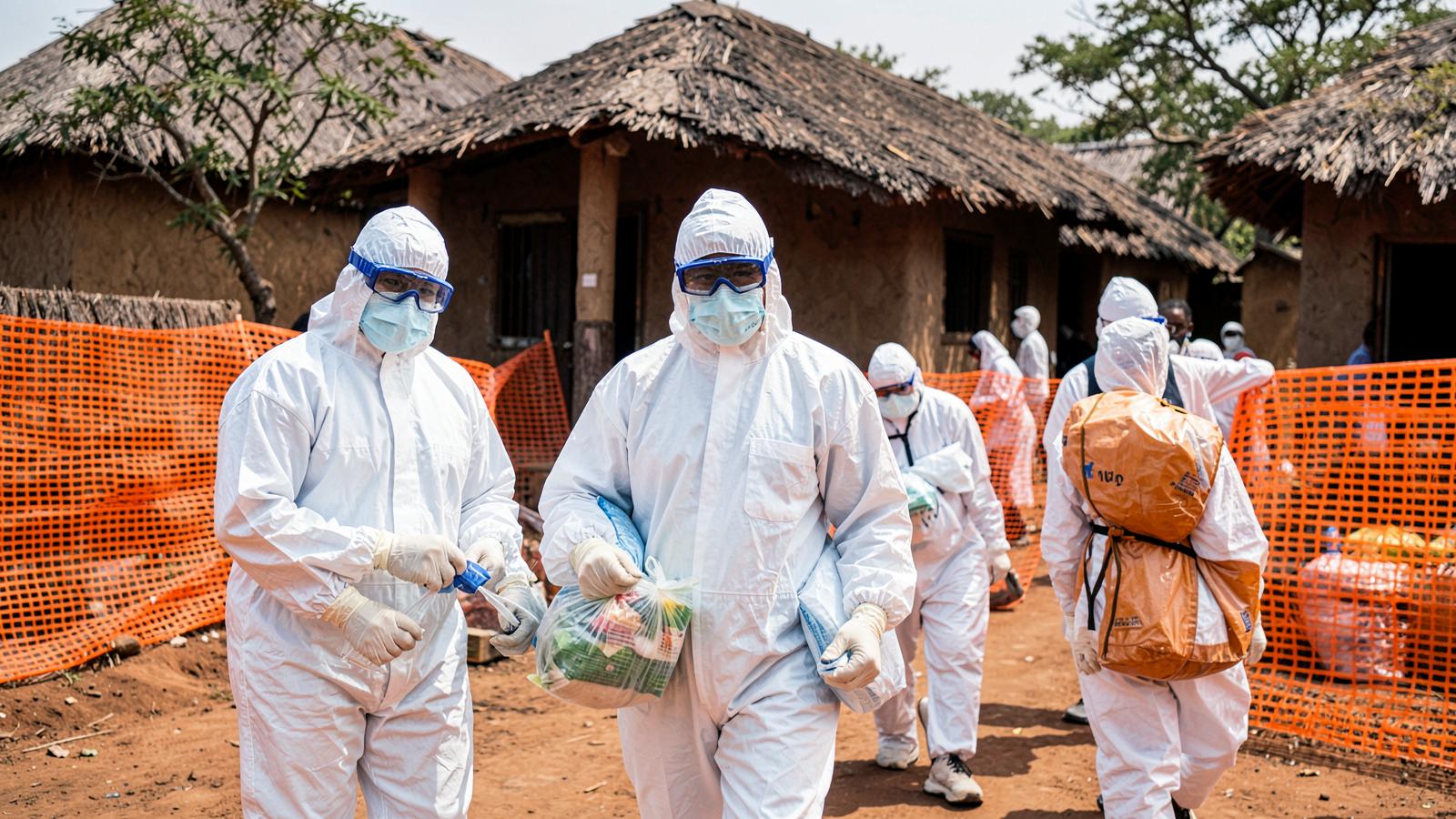
Congo Ebola outbreak spreads to sixth province as cases pass 4,500
Health authorities confirm transmission in a sixth province, with cumulative cases above 4,500, months after neighbouring Uganda declared its own outbreak over.