WHO Launches Seven Global Strategies to Prevent Drowning
The World Health Organization has introduced a new policy package covering safer infrastructure, swimming education, childcare, rescue skills, water transport and flood preparedness.

ACCRA — The World Health Organization has launched seven evidence-based strategies designed to help governments reduce drowning deaths through stronger laws, public policies and coordinated safety systems.
The new technical package, known as PROTECT, was unveiled in Accra ahead of World Drowning Prevention Day on 25 July. WHO estimates that nearly 300,000 people die from drowning worldwide every year, with more than 90 per cent of deaths occurring in low- and middle-income countries. Drowning remains among the ten leading causes of death for children aged five to 14.
The PROTECT package groups drowning prevention into seven interconnected areas: safe physical infrastructure around water; rescue and resuscitation skills; occupational protection for people working near water; stronger standards for water transport; swimming and water-safety education; childcare and safeguarding systems; and preparedness for floods and other emergencies.
WHO says governments should treat drowning as a responsibility shared across health, education, transport, labour, emergency services and local planning. Measures could include barriers around wells and water-storage areas, properly regulated boats, accessible lifejackets, supervised childcare, community swimming lessons and early-warning plans for floods.
Climate change is increasing the urgency of prevention. Floods, storms and extreme heat can expose more people to unsafe water conditions, while rapid urbanisation, migration and dependence on informal water transport are changing patterns of risk. WHO cited research from the United Kingdom indicating that drowning deaths rise as temperatures increase.
The package was launched in Ghana in recognition of the country's growing commitment to water safety. WHO estimates that around 1,100 people die from drowning in Ghana each year—approximately three deaths every day—with children and young adults disproportionately affected.
WHO Director-General Dr Tedros Adhanom Ghebreyesus said most drowning deaths are preventable and urged countries to adopt practical measures suited to their national circumstances. The guidance builds on the first Global Strategy for Drowning Prevention, launched in 2025.
The new package gives governments a clear framework, but implementation will require funding, enforcement, trained personnel and cooperation between national and local institutions. The continuing global death toll demonstrates that water safety must be treated as a core public-health and development priority.
Corrections & updates
- Story updatedAug 27, 2026, 1:52 PM
- Story published
Verified against the sources cited in this report.
Jul 24, 2026, 6:00 AM
Related stories

WHO Warns Attacks on Healthcare Are Becoming a Global Crisis
More than 900 attacks on hospitals, medical workers and health infrastructure have been documented in 2026, with consequences that outlast each incident.
World Hepatitis Day Highlights Preventable Liver-Cancer Deaths and Gaps in Care
World Hepatitis Day is being marked with renewed calls for governments to expand vaccination, testing and treatment as viral hepatitis continues to cause preventable liver disease, cancer and death.
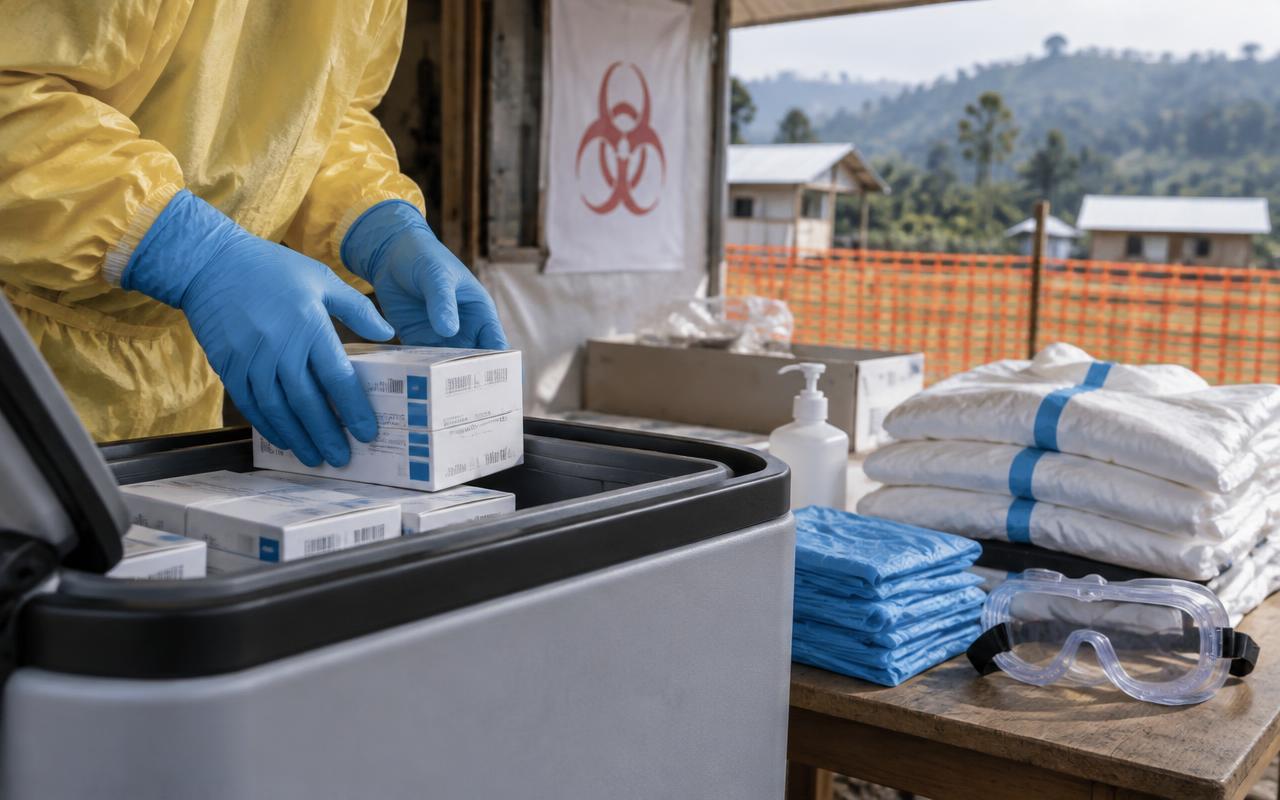
Congo Ebola response shows encouraging signs but WHO warns crisis is far from over
More than 7,000 infections have been recorded across seven provinces as responders confront the Bundibugyo strain and assess vaccine options.