WHO Warns Attacks on Healthcare Are Becoming a Global Crisis
More than 900 attacks on hospitals, medical workers and health infrastructure have been documented in 2026, with consequences that outlast each incident.

The World Health Organization says attacks on hospitals, medical workers and healthcare infrastructure are occurring at an alarming rate across conflict zones.
More than 900 attacks on healthcare have been documented during 2026, according to WHO reporting.
The consequences extend far beyond those killed or injured in individual incidents. When hospitals are destroyed or forced to close, communities can lose maternity services, emergency surgery, vaccination, disease surveillance and treatment for chronic illnesses.
That becomes especially dangerous during infectious-disease outbreaks.
The Democratic Republic of Congo's rapidly spreading Ebola emergency illustrates the problem. Controlling Ebola requires functioning health facilities, trained personnel, laboratories, isolation capacity and reliable contact tracing. Conflict and attacks on healthcare can undermine every one of those requirements.
The issue therefore sits at the intersection of warfare and global public health.
Medical facilities and healthcare workers receive special protections under international humanitarian law. Yet WHO's figures demonstrate the continuing vulnerability of healthcare systems during armed conflict.
**Why it matters:** An attack that disables a hospital can continue killing people indirectly long after the attack itself ends.
Source: World Health Organization and international reporting.
Corrections & updates
- Story updatedAug 27, 2026, 1:52 PM
- Story published
Verified against the sources cited in this report.
Aug 15, 2026, 11:18 AM
Related stories
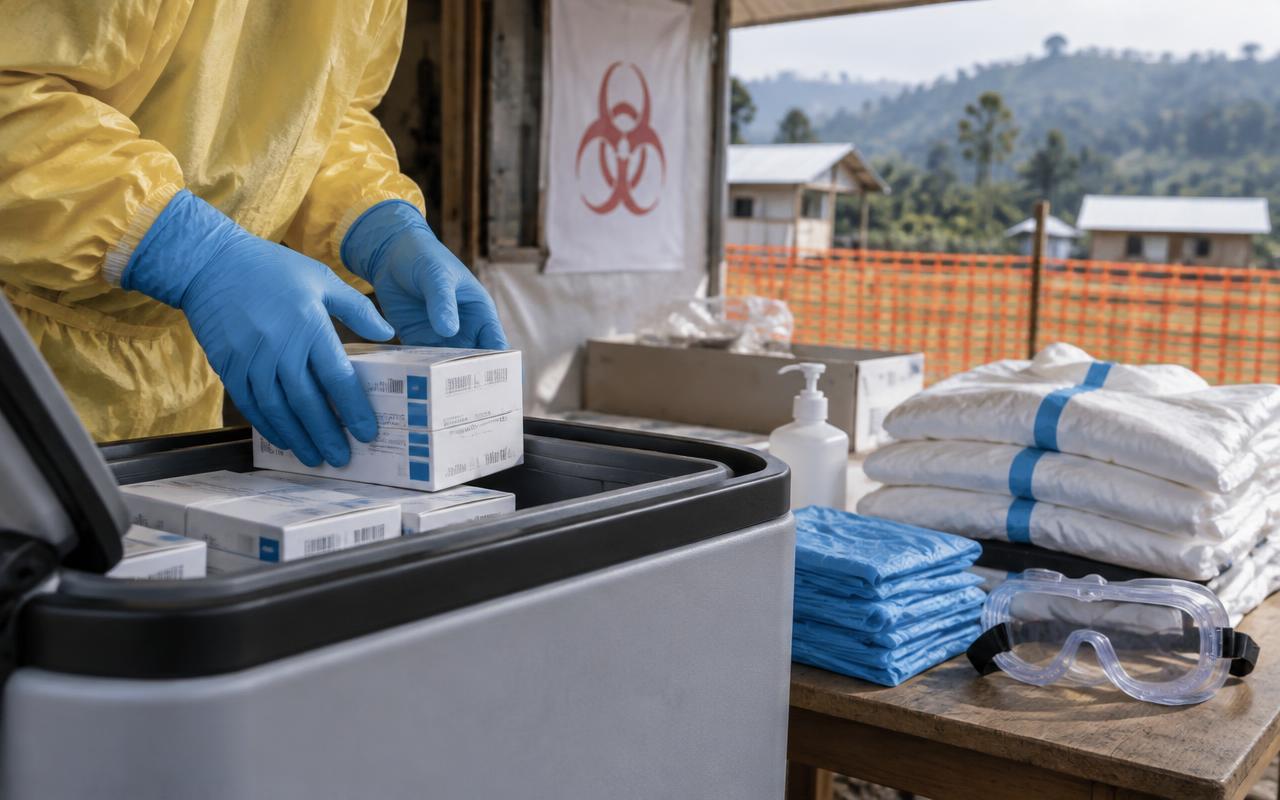
Congo Ebola response shows encouraging signs but WHO warns crisis is far from over
More than 7,000 infections have been recorded across seven provinces as responders confront the Bundibugyo strain and assess vaccine options.

Children exposed to 9/11 to receive major long-term health study
United States health authorities have funded a multi-year study of people who were children in lower Manhattan in 2001, twenty-five years on.
Africa Adopts 10-Year Plan to Protect Hard-Won Polio Gains
Health ministers approved the framework at the 76th WHO Regional Committee for Africa in Addis Ababa, focusing on surveillance, immunity and outbreak response.