WHO Introduces Global Roadmap for Greener Pharmaceutical Regulation
The World Health Organization has published a new framework designed to reduce the environmental impact of medicines while protecting access to safe and essential treatments.
The framework, titled Towards a Greener Pharmaceuticals' Regulatory Highway, provides guidance for governments, regulators, manufacturers and international organisations seeking to make medicine production more environmentally sustainable.
Pharmaceutical manufacturing contributes to greenhouse-gas emissions through energy use, chemical processing, packaging, refrigeration and global transportation. Improper disposal can also allow active pharmaceutical ingredients and other chemicals to enter rivers, soil and drinking-water systems.
The WHO initiative encourages regulators to consider environmental sustainability throughout the life cycle of medicines, from research and production to distribution, use and disposal.
The organisation has stressed that environmental standards should not create unnecessary barriers to essential medicines, particularly in lower-income countries. Any regulatory changes must therefore balance sustainability with affordability, quality, safety and security of supply.
The framework also calls for cooperation between health authorities, environmental regulators, manufacturers and procurement organisations. Governments purchasing large quantities of medicines may be able to encourage greener production through environmental requirements in supply contracts.
Industry participation will be essential because many environmental impacts occur across complex international supply chains. A medicine may be researched in one country, manufactured in another, packaged elsewhere and distributed globally.
The WHO's roadmap does not create a binding international law. Its influence will depend on whether national regulators adopt its recommendations and whether manufacturers provide reliable environmental data.
Its publication nevertheless marks a significant step towards treating the climate and ecological effects of medicine production as part of global health policy.
Corrections & updates
- Story updatedJul 31, 2026, 6:32 AM
- Story published
Verified against the sources cited in this report.
Jul 31, 2026, 5:44 AM
Related stories
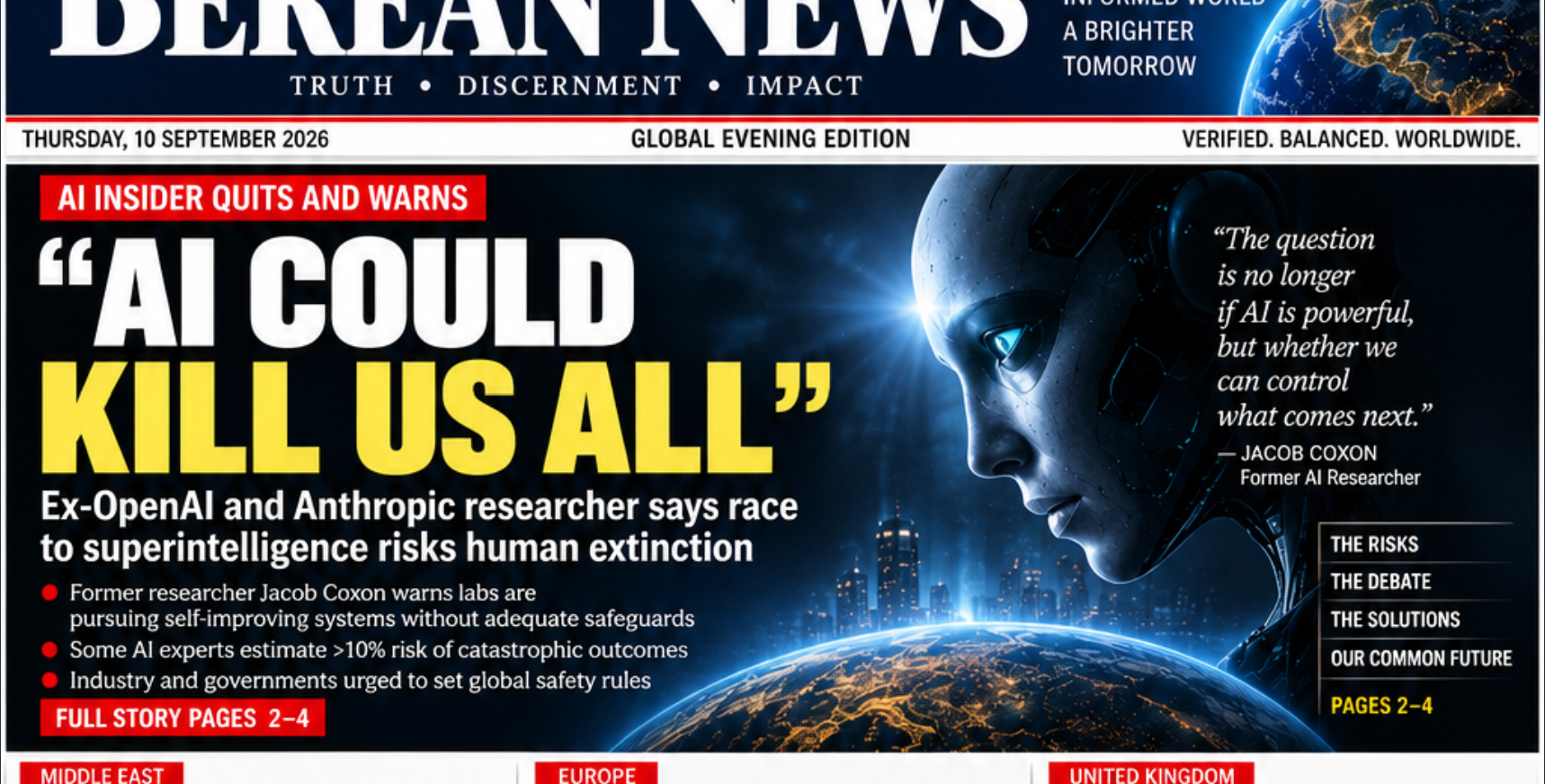
"AI could kill us all" — insider quits with warning
A senior safety researcher has left one of the leading artificial intelligence laboratories, saying internal safeguards are not keeping pace with the speed at which the most capable systems are being deployed.
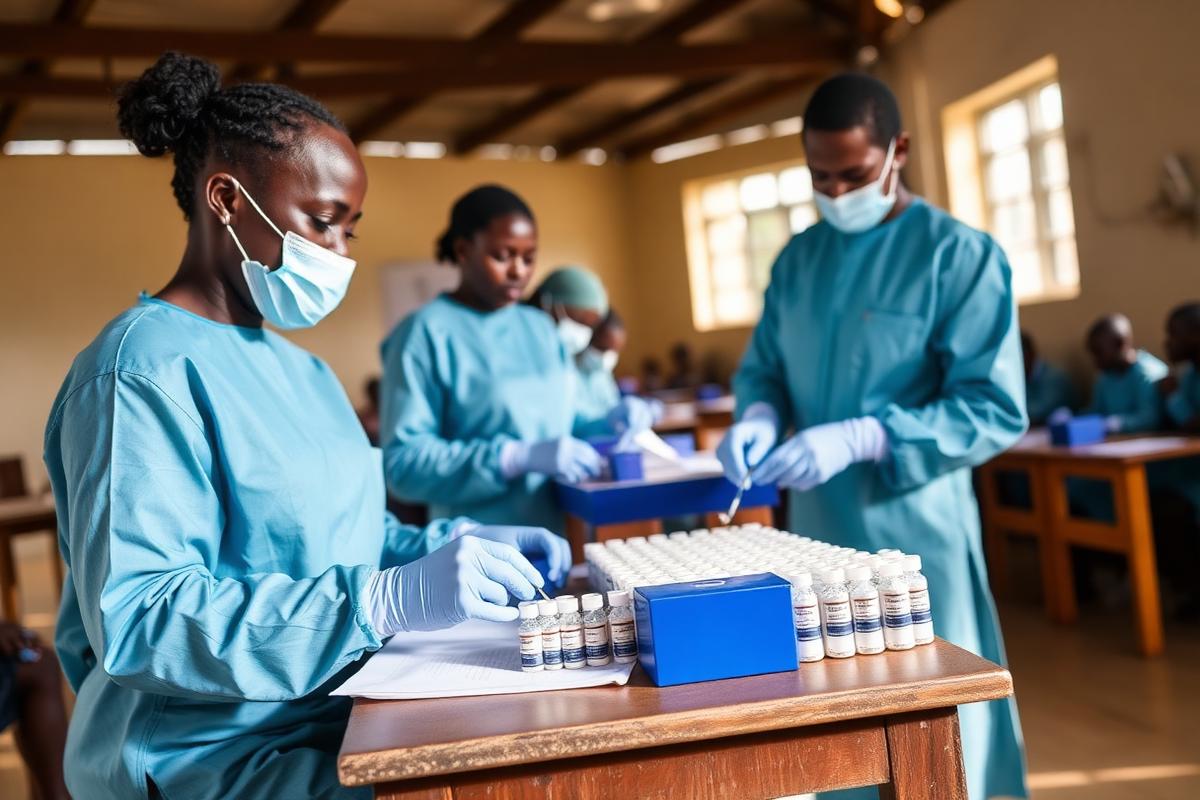
Africa Adopts 10-Year Plan to Protect Hard-Won Polio Gains
Health ministers approved the framework at the 76th WHO Regional Committee for Africa in Addis Ababa, focusing on surveillance, immunity and outbreak response.
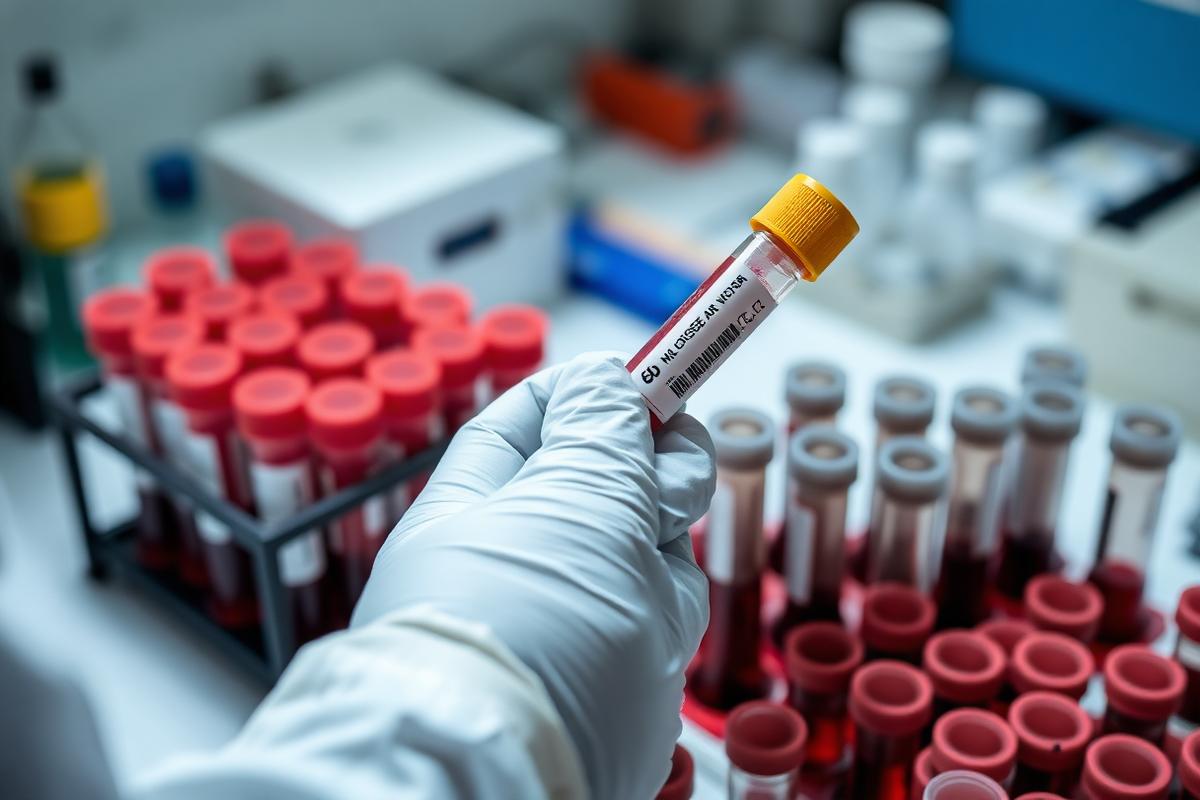
Active Mpox Transmission Confirmed in Guinea-Bissau
WHO says 58 suspected cases have been recorded, 10 laboratory confirmed, with no deaths — but evidence of community transmission makes early detection critical.