Fauci Testifies Before US Senate Committee in Renewed Pandemic Scrutiny
The former US infectious-disease adviser has appeared before a Senate committee examining decisions and communications connected with the COVID-19 pandemic.
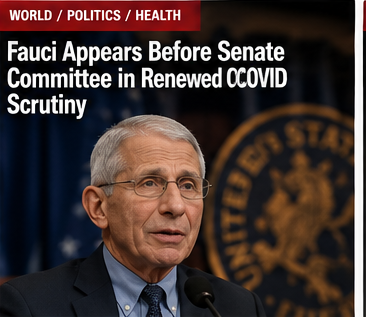
WASHINGTON — Anthony Fauci has appeared before the United States Senate Committee on Homeland Security and Governmental Affairs as lawmakers renewed their examination of the government's handling of the COVID-19 pandemic.
The committee scheduled the hearing for 8:30 a.m. on 29 July in the Senate's Dirksen building under the title "Testimony of Anthony Fauci."
Fauci previously served as director of the National Institute of Allergy and Infectious Diseases and became one of the most prominent public officials involved in America's pandemic response.
The hearing forms part of a long-running and politically contentious examination of research funding, government communications, public-health restrictions and the possible origins of the virus.
Lawmakers are expected to question Fauci about decisions taken during the pandemic and his communications with scientists, government agencies and research organisations.
Claims about the origins of COVID-19 remain disputed. Investigations have considered both natural transmission from animals and the possibility of a research-related incident, but political allegations should not be presented as established scientific findings without supporting evidence.
The hearing also takes place against a broader debate over public trust. Pandemic policies, changing scientific advice and conflicting statements by political leaders contributed to intense disagreement about masks, vaccines, school closures and restrictions on public life.
Congressional oversight can help establish a clearer documentary record. However, its value depends on whether questions and conclusions are grounded in evidence rather than partisan assumptions.
Fauci's testimony should therefore be assessed alongside documents, scientific research and the statements of other witnesses. A hearing is an investigative and political proceeding; it is not itself proof of wrongdoing.
Why it matters
The findings may influence future pandemic planning, research oversight and public-health communication. They may also affect trust in institutions preparing for future outbreaks.
Corrections & updates
- Story updatedJul 29, 2026, 10:29 PM
- Story published
Verified against the sources cited in this report.
Jul 29, 2026, 9:13 PM
Related stories

Children exposed to 9/11 to receive major long-term health study
United States health authorities have funded a multi-year study of people who were children in lower Manhattan in 2001, twenty-five years on.
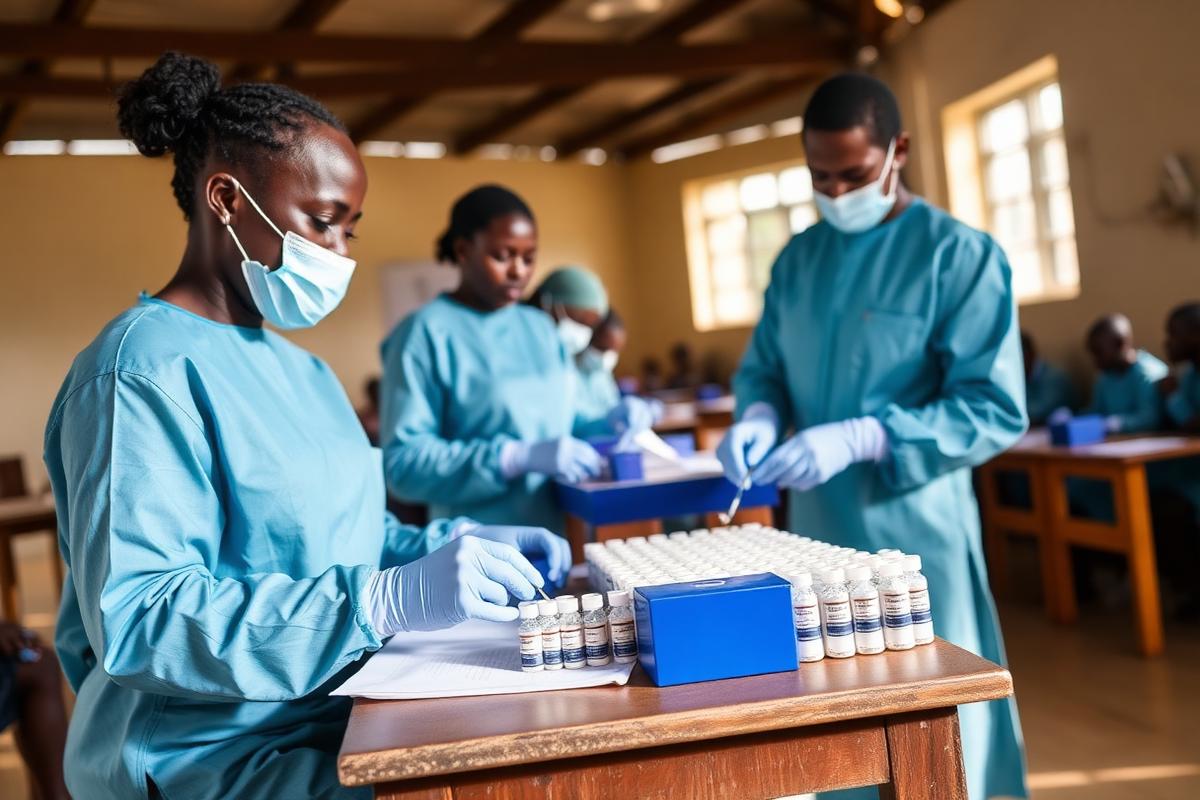
Africa Adopts 10-Year Plan to Protect Hard-Won Polio Gains
Health ministers approved the framework at the 76th WHO Regional Committee for Africa in Addis Ababa, focusing on surveillance, immunity and outbreak response.
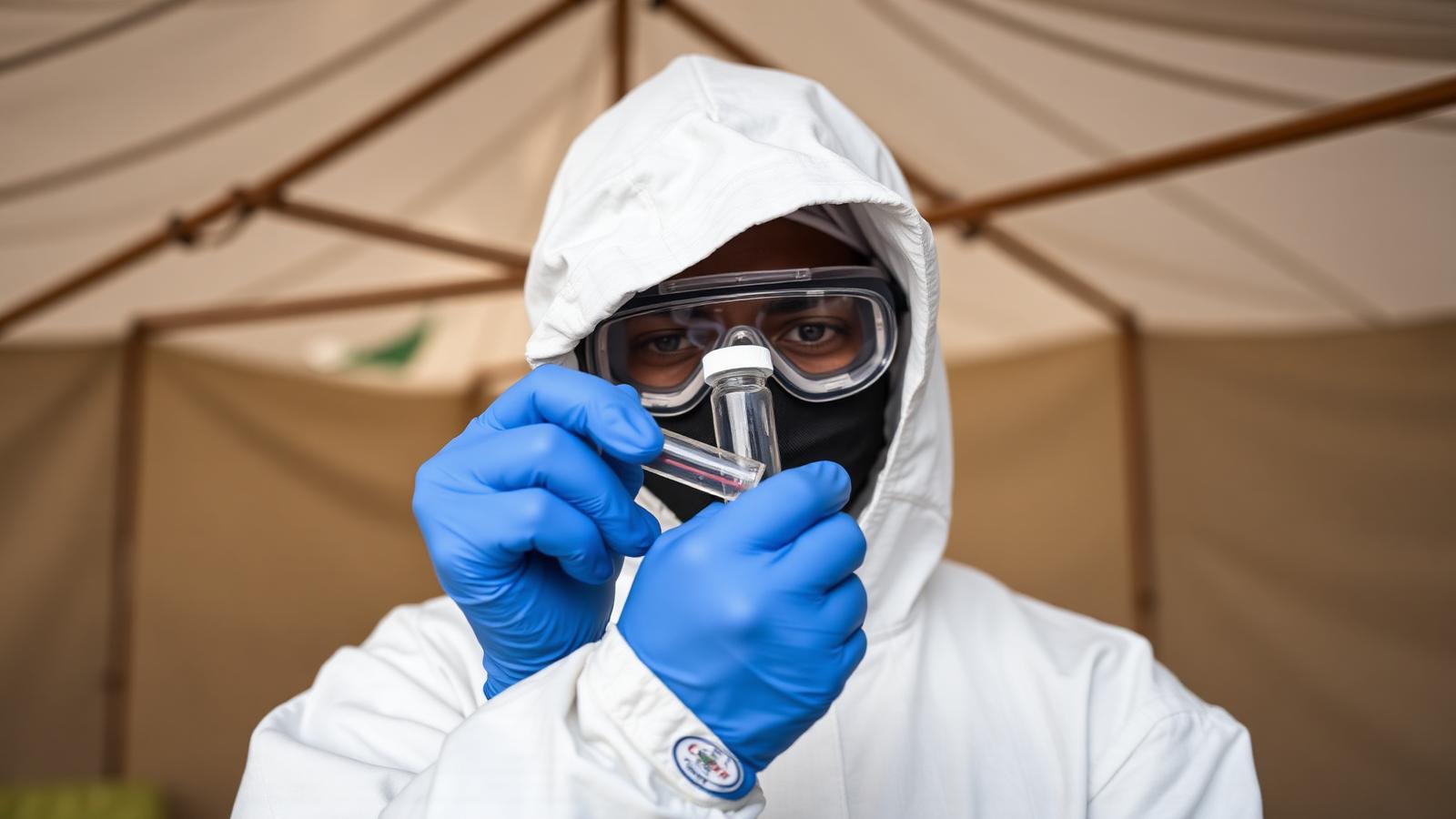
Uganda Declares Ebola Outbreak Over — But Danger Remains Across the Border
Uganda has completed 42 days without a confirmed case of Bundibugyo virus disease. Across the border, Congo is fighting the largest Ebola outbreak in its history.