WHO Says Up to 45% of Dementia Risk Could Be Prevented or Delayed
Updated WHO guidelines recommend physical activity, social engagement, tobacco cessation, improved heart health and reduced air-pollution exposure as part of a life-course approach to dementia prevention.
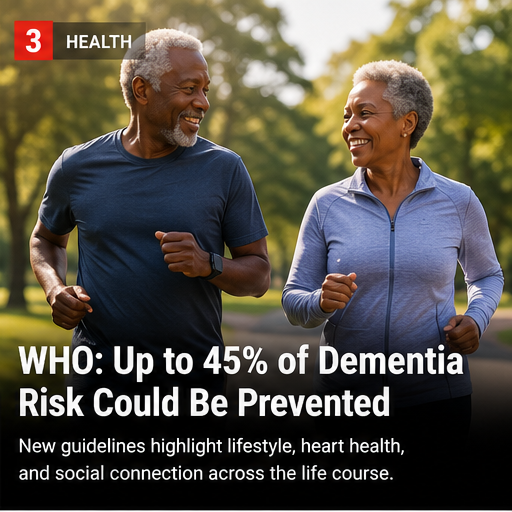
GENEVA — Up to 45 per cent of dementia risk may be linked to factors that can be changed or managed, according to updated guidelines released by the World Health Organization.
The new recommendations are intended to help governments, health professionals and communities reduce the risk of cognitive decline and delay the onset of dementia throughout a person's life.
More than 57 million people worldwide live with dementia, and nearly 10 million new cases are diagnosed each year. Alzheimer's disease is the most common form and is believed to account for approximately 60 to 70 per cent of cases.
WHO identified several modifiable risk factors, including tobacco use, harmful alcohol consumption, physical inactivity, social isolation, air pollution, high blood pressure, diabetes and high cholesterol.
The updated guidelines recommend regular physical activity, a healthy diet, stopping tobacco use, limiting alcohol consumption, managing cardiovascular and metabolic conditions, maintaining social connections and taking part in mentally stimulating activities.
Cognitive training and continued social engagement may be beneficial for adults with normal cognition and for those experiencing mild cognitive impairment. Hearing aids may also form part of risk-reduction strategies where hearing loss is present.
For the first time, the WHO guidance places stronger emphasis on reducing exposure to air pollution. Research increasingly connects long-term exposure to polluted air with cardiovascular, respiratory and neurological damage.
The guidelines do not recommend routinely taking vitamin B, vitamin E, omega-3 fatty acids or multivitamin supplements specifically to prevent dementia where no nutritional deficiency has been diagnosed. WHO said there is insufficient evidence that the potential benefits outweigh possible harms in such circumstances.
Dementia affects memory, reasoning, communication, behaviour and a person's ability to carry out daily activities. It can reduce independence and place considerable pressure on relatives and carers.
WHO estimates that dementia costs the global economy approximately US$1.3 trillion annually. Around half of that cost is associated with unpaid care provided by relatives and friends.
There is currently no widely available cure for dementia. However, the new guidance emphasises that reducing risk should begin long before old age.
The recommendations do not guarantee that dementia will be prevented in every individual. Age, genetics and other non-modifiable factors remain important. Nevertheless, healthier lifestyles and better management of long-term medical conditions can improve general health while also helping to protect cognitive function.
Corrections & updates
- Story published
Verified against the sources cited in this report.
Jul 21, 2026, 9:30 AM
Related stories

WHO Warns Attacks on Healthcare Are Becoming a Global Crisis
More than 900 attacks on hospitals, medical workers and health infrastructure have been documented in 2026, with consequences that outlast each incident.
World Hepatitis Day Highlights Preventable Liver-Cancer Deaths and Gaps in Care
World Hepatitis Day is being marked with renewed calls for governments to expand vaccination, testing and treatment as viral hepatitis continues to cause preventable liver disease, cancer and death.

Congo Ebola response shows encouraging signs but WHO warns crisis is far from over
More than 7,000 infections have been recorded across seven provinces as responders confront the Bundibugyo strain and assess vaccine options.