NHS Neighbourhood Health Centres Face Staffing and Capacity Test
The first 27 centres are intended to combine GP, pharmacy and urgent-treatment services, but their effectiveness will depend on whether they add clinical capacity rather than simply relocating existing workers.
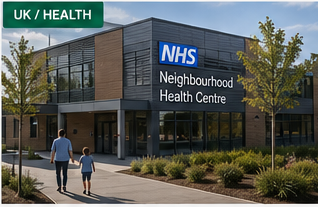
LONDON — England's first 27 neighbourhood health centres are intended to bring a wider range of NHS services closer to patients and reduce pressure on hospitals.
The initial phase is backed by up to £50 million and forms part of a wider government commitment to establish 250 neighbourhood health centres under the ten-year health plan.
The Government says patients will be able to access services including general practice, pharmacy and urgent treatment from community locations rather than travelling to several different facilities. Tens of thousands of patients are expected to benefit when the first centres are completed.
Bringing services into one location could improve coordination and convenience, particularly for people managing several long-term conditions. It may also support earlier treatment and reduce avoidable hospital appointments.
However, buildings alone do not create additional healthcare capacity. If existing doctors, nurses, pharmacists and administrative staff are moved between sites without additional recruitment, patients may see little improvement in appointment availability.
Staffing should therefore be one of the main measures used to judge the programme. Each centre will need sufficient clinical workers, reception teams, diagnostic support and pharmacy capacity to meet local demand.
Digital systems must also allow professionals to access relevant records safely and coordinate care. Patients should not have to repeat the same history whenever they move between services operating in the same centre.
Location and opening hours will matter, especially for disabled patients, shift workers, older people and communities with limited public transport.
The programme should ultimately be evaluated through waiting times, appointment availability, patient experience, hospital attendance and whether health inequalities narrow in areas served by the centres.
This report is public-service analysis rather than breaking news: the programme was originally announced in March.
Neighbourhood care could strengthen prevention and improve access, but only if new facilities are accompanied by workers, sustainable funding and transparent reporting on outcomes.
Source: Department of Health and Social Care; NHS England
Corrections & updates
- Story updatedJul 27, 2026, 11:38 AM
- Story published
Verified against the sources cited in this report.
Jul 27, 2026, 6:34 AM
Related stories

Children exposed to 9/11 to receive major long-term health study
United States health authorities have funded a multi-year study of people who were children in lower Manhattan in 2001, twenty-five years on.
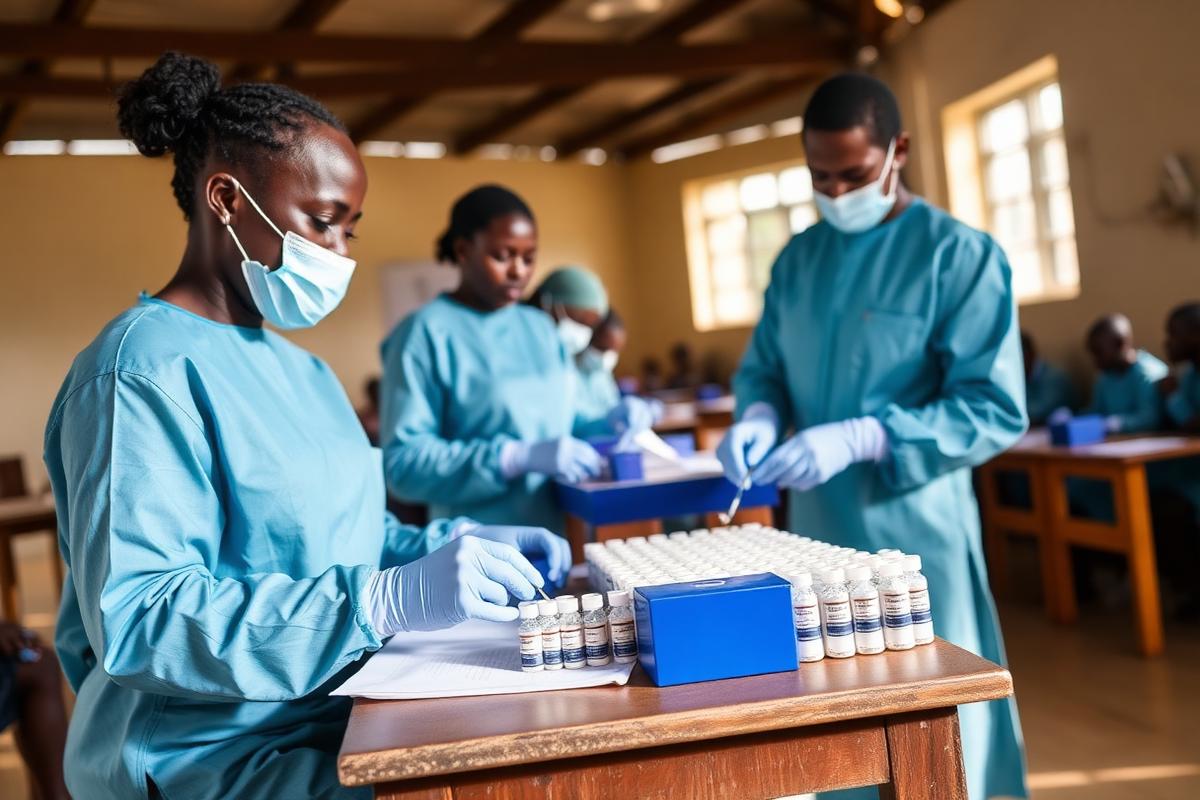
Africa Adopts 10-Year Plan to Protect Hard-Won Polio Gains
Health ministers approved the framework at the 76th WHO Regional Committee for Africa in Addis Ababa, focusing on surveillance, immunity and outbreak response.

Uganda Declares Ebola Outbreak Over — But Danger Remains Across the Border
Uganda has completed 42 days without a confirmed case of Bundibugyo virus disease. Across the border, Congo is fighting the largest Ebola outbreak in its history.