Taiwan's AI Boom Puts Economy on Course for Fastest Growth in Almost 40 Years
Government raises its 2026 forecast to 11.05% as semiconductor exports surge on global AI hardware demand.
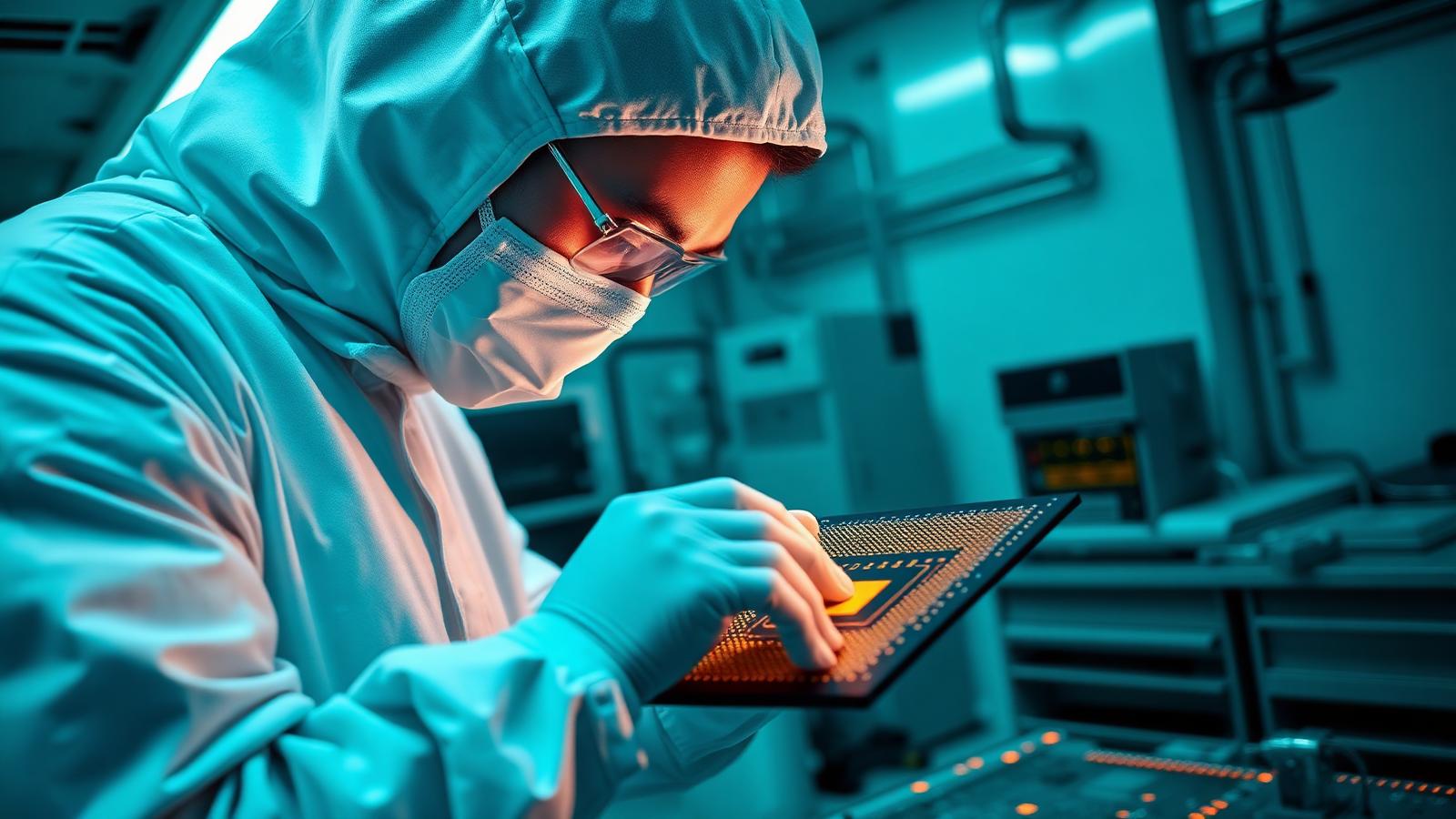
Taiwan has dramatically upgraded its economic outlook as extraordinary global demand for artificial-intelligence hardware drives semiconductor exports.
The government now forecasts economic growth of 11.05% for 2026, compared with its previous projection of 9.64%.
If achieved, that would represent Taiwan's strongest annual economic expansion since 1987.
Exports are projected to increase approximately 41% year-on-year, reflecting Taiwan's central position in the global semiconductor supply chain.
Taiwan Semiconductor Manufacturing Company and the wider technology ecosystem supply advanced chips used by many of the world's leading technology companies.
Second-quarter economic growth was also revised to 12.93%.
Despite the extraordinary expansion, inflation is forecast at around 2.07%, creating a delicate policy environment for Taiwan's central bank ahead of its September interest-rate meeting.
Why it matters: Taiwan's growth demonstrates how artificial intelligence is beginning to reshape national economies rather than merely technology companies. It also reinforces Taiwan's strategic importance to the global technology supply chain.
Source: Reuters, 14 August 2026.
Corrections & updates
- Story updatedAug 27, 2026, 1:52 PM
- Story published
Verified against the sources cited in this report.
Aug 17, 2026, 6:35 AM
Related stories

US delay on $14 billion Taiwan arms package raises questions before Trump–Xi meeting
Anduril founder Palmer Luckey says delays in US approvals are affecting business as tensions over Taiwan continue and a Trump–Xi meeting is expected next week.

Russian Soviet-era film screening in Taipei alarms Taiwan
A private screening for around 20 people has become a geopolitical controversy as Taiwanese officials point to a broader information campaign.
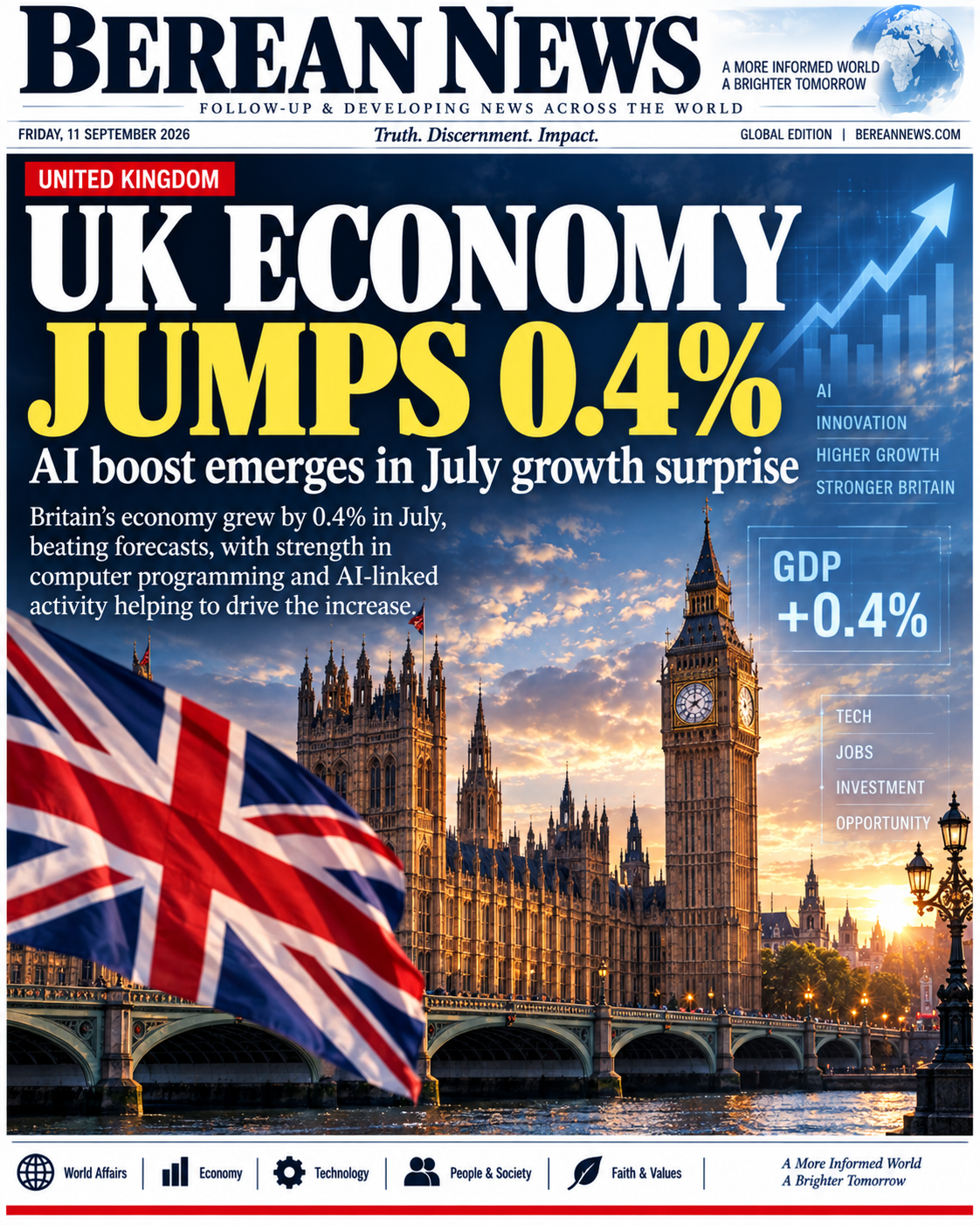
UK economy grows 0.4% as computer programming and AI-related activity surge
July GDP beat forecasts of no growth, with the ONS pointing to computer-programming businesses benefiting from the AI boom.