Egypt's Urban Inflation Rises to 14.9% as Households Face Renewed Price Pressure
Annual urban inflation accelerated from 14.3% in June but came in below the 15.6% forecast in a Reuters poll.

Egypt's annual urban consumer-price inflation accelerated to 14.9% in July, up from 14.3% in June, according to the country's official statistics agency CAPMAS.
The figure nevertheless came in below economists' expectations. A Reuters poll ahead of the announcement had forecast a median rate of 15.6%.
The increase highlights the continuing difficulty Egypt faces in bringing inflation sustainably lower after several years of currency pressure, subsidy reductions and economic reforms.
Inflation has declined sharply from the extraordinary levels recorded during the earlier phase of Egypt's economic crisis, when annual urban inflation reached around 38% in 2023. However, the cost of food, utilities and other necessities remains a major concern for households.
Egypt has been gradually reducing fuel and electricity subsidies as part of reforms connected to its International Monetary Fund support programme. Those measures are intended to reduce fiscal pressure but can increase household costs in the short term.
Electricity tariffs were increased by an average of around 12% for most consumption categories earlier this month. Economists expect that move to be reflected more strongly in August's inflation data rather than the July figure.
For Egypt's central bank, inflation remains important to decisions on interest rates.
For households, however, annual percentages tell only part of the story. Even when the rate of inflation falls, prices generally remain substantially higher than they were before the increases occurred.
The policy challenge is therefore to combine declining inflation with stronger incomes, investment and employment so that improvements in headline economic indicators translate into purchasing power.
Source attribution: CAPMAS; Reuters, 10 August 2026.
Corrections & updates
- Story updatedAug 10, 2026, 1:03 PM
- Story published
Verified against the sources cited in this report.
Aug 10, 2026, 11:54 AM
Related stories
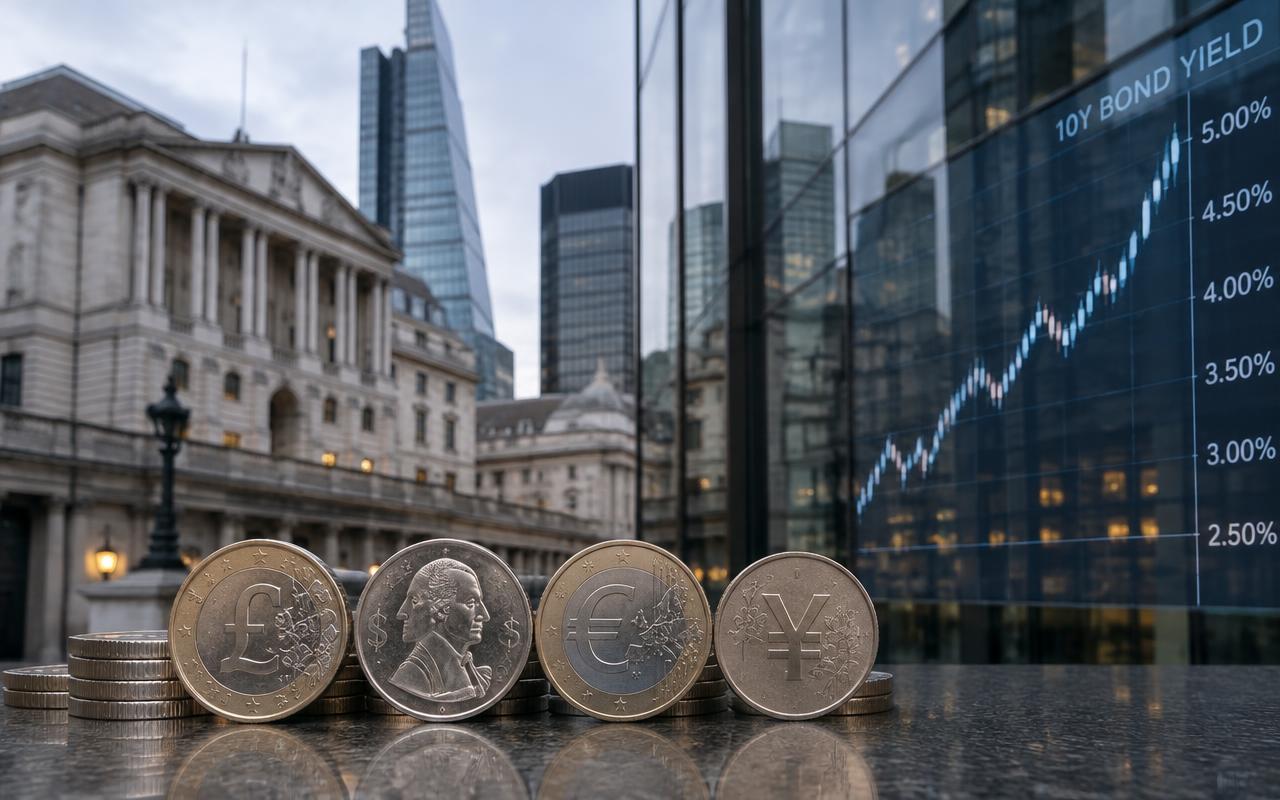
Global interest rates move higher as energy pressure complicates inflation fight
The US Federal Reserve stands at 3.75–4.00%, the Bank of Japan has raised rates to 1.25%, the Bank of England held at 3.75% by 6–3 and the ECB remains on a tightening path.

ECB raises interest rates to 2.5% as energy shock revives inflation fears
The European Central Bank lifted its deposit rate by a quarter point, citing renewed energy costs feeding through to core prices across the euro area.

Global Food Prices Climb Again as Drought and Freight Costs Bite
Cereal and cooking oil markets tighten as poor harvests in key producers combine with higher shipping and insurance costs.