UK Business Activity Returns to Growth, but Recovery Remains Fragile
A preliminary survey recorded the strongest private-sector activity since February, although falling employment and renewed energy-price pressure continue to threaten the improvement.

LONDON — UK private-sector activity returned to growth in July for the first time in three months, according to preliminary purchasing-managers' data.
The S&P Global UK Composite Purchasing Managers' Index rose from 49.3 in June to 52.1 in July. A reading above 50 indicates expansion, while a figure below 50 suggests contraction.
The result was the strongest since February and exceeded economists' expectations. Both service businesses and manufacturers reported increased activity, supported by an earlier easing in fuel and raw-material costs, favourable weather and improved confidence.
The index is an early survey-based measure rather than an official calculation of national output. It shows whether companies report improvement or deterioration compared with the previous month but does not measure the total amount of economic activity.
Employment continued to decline despite the improved output figures. Reuters reported that businesses remained cautious about recruitment, partly because of earlier increases in employer social-security costs and continuing uncertainty about demand.
Retail conditions also remained difficult. Separate CBI figures published on Monday showed that the decline in retail sales became less severe in July, but businesses continued reporting weak demand and significant cost pressure.
The recovery may be vulnerable to renewed increases in oil and gas prices. Higher energy costs could raise transport and manufacturing expenses, reduce household spending power and increase pressure on inflation.
A sustainable recovery would require more than a single positive monthly reading. New orders, investment and employment would need to continue improving, while inflation and business costs remained manageable.
The July figure is encouraging, but it should be read as an early sign of improvement rather than proof that the UK economy has entered a strong or lasting expansion.
Source: S&P Global; Reuters
Corrections & updates
- Story updatedJul 27, 2026, 11:38 AM
- Story published
Verified against the sources cited in this report.
Jul 27, 2026, 6:35 AM
Related stories
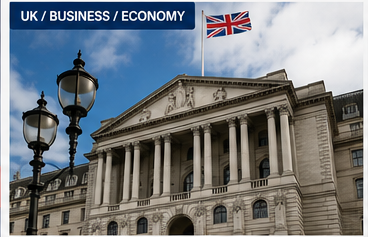
Bank of England Expected to Hold Interest Rate at 3.75% as Energy Risks Complicate Outlook
Economists expect the Bank of England to leave borrowing costs unchanged on Thursday, but renewed oil and gas price increases have raised the possibility of tighter monetary policy later in the year.
ECB raises interest rates to 2.5% as energy shock revives inflation fears
The European Central Bank lifted its deposit rate by a quarter point, citing renewed energy costs feeding through to core prices across the euro area.

Global Food Prices Climb Again as Drought and Freight Costs Bite
Cereal and cooking oil markets tighten as poor harvests in key producers combine with higher shipping and insurance costs.