UK Business Confidence Reaches Four-Month High, but Global Risks Threaten Recovery
Confidence among British businesses rose to a four-month high in July as companies became more optimistic about the economy and experienced some relief from energy and operating-cost pressures.
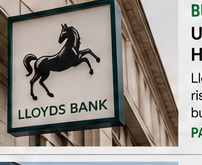
The Lloyds Bank Business Barometer increased by five points to 49%, above its 12-month average. Confidence in the wider economy rose more sharply, reflecting stronger expectations among domestically focused companies.
The improvement followed a period of lower energy prices and reduced geopolitical uncertainty. Businesses have faced several years of pressure from inflation, increased borrowing costs, wage demands, supply-chain disruption and unpredictable international trade conditions.
The survey suggests that many companies entered the second half of 2026 with greater confidence about demand and economic activity. However, Lloyds economists warned that sentiment could change quickly if global conditions worsen.
Renewed conflict in the Middle East is a central risk because energy prices can rise rapidly when oil production or shipping routes appear threatened. Higher fuel and electricity costs would affect manufacturers, transport companies, retailers and households.
Businesses are also watching interest rates. High borrowing costs make it more expensive to invest, expand operations or refinance existing debt. Smaller companies are often particularly exposed because they have fewer financing options and less protection against sudden cost increases.
The confidence figures do not necessarily mean that all sectors are growing. Companies may feel more optimistic while still dealing with weak margins, staff shortages and intense competition.
The next test will be whether improved sentiment produces increased hiring, investment and productivity. A lasting recovery will depend on stable energy markets, predictable government policy and stronger consumer demand.
Corrections & updates
- Story updatedJul 31, 2026, 6:32 AM
- Story published
Verified against the sources cited in this report.
Jul 31, 2026, 5:46 AM
Related stories
ECB raises interest rates to 2.5% as energy shock revives inflation fears
The European Central Bank lifted its deposit rate by a quarter point, citing renewed energy costs feeding through to core prices across the euro area.

UK Car Market Extends Recovery as August Sales Jump 13.7%
August marks the strongest performance since 2018, with a ninth consecutive month of growth and battery-electric registrations up 27.7%.

AI Investment Race Enters New Phase as Global Capital Chases Next Winners
Investors look beyond chipmakers to software, cloud, data centres and power as AI spending seeks returns.