Bank of England Expected to Hold Interest Rate at 3.75% as Energy Risks Complicate Outlook
Economists expect the Bank of England to leave borrowing costs unchanged on Thursday, but renewed oil and gas price increases have raised the possibility of tighter monetary policy later in the year.
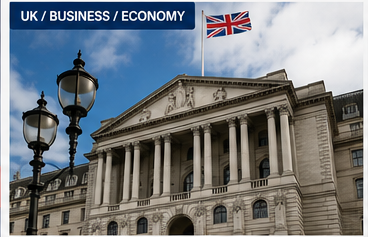
LONDON — The Bank of England is widely expected to keep Bank Rate unchanged at 3.75% when the Monetary Policy Committee publishes its next decision on Thursday, 30 July.
The Bank's official schedule confirms that 3.75% remains the current rate and that the next decision will be published at noon on Thursday. At the previous meeting in June, seven committee members voted to leave the rate unchanged, while two preferred an increase to 4%.
All 70 economists surveyed by Reuters between 21 and 24 July forecast that the Bank would maintain the current rate. The expectation reflects easing domestic inflation pressures, although the renewed rise in international energy prices has made the longer-term outlook more uncertain.
Reuters reported that UK inflation fell to 2.6% in June, its lowest level for 15 months. Lower inflation would normally reduce pressure for an immediate rate rise, but oil prices moving above $100 a barrel could eventually increase transport, manufacturing, food and household energy costs.
The Bank cannot directly control international oil or gas prices. Its responsibility is to prevent an initial energy-price increase from becoming embedded in wages, business prices and public expectations. At its June meeting, the Bank said the appropriate policy response would depend on the size and duration of the energy shock and how widely it spread through the economy.
A decision to hold the rate would provide continuity, but it would not immediately reduce borrowing costs. People with variable-rate mortgages and some loans would continue paying rates linked to the current Bank Rate, while fixed mortgage offers would remain influenced by financial-market expectations about future decisions.
Savers may continue benefiting from relatively high deposit rates, although individual banks and building societies are not required to pass the full Bank Rate to customers.
Financial markets will look beyond the headline decision to the committee's voting pattern, updated inflation forecasts and any indication that a rate increase could come in September or later in the year. The Bank's June market-participant survey showed a median expectation of 3.75% after both the June and July meetings, with a wider range of views for subsequent meetings.
Thursday's outcome remains a forecast rather than a confirmed decision. This report will be updated with the headline rate and vote immediately after the Bank publishes the official Monetary Policy Summary.
Source: Reuters; Bank of England
Corrections & updates
- Marked as a developing story
This report is being updated as verified information arrives.
Jul 27, 2026, 11:38 AM - Story published
Verified against the sources cited in this report.
Jul 27, 2026, 6:40 AM
Related stories
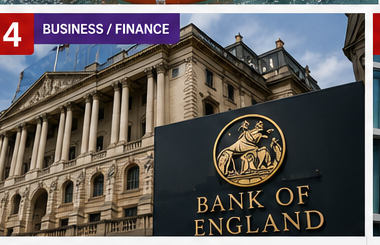
Bank of England Rate Decision Due as AI and Market Risks Remain in Focus
The Bank will publish its next interest-rate decision and Monetary Policy Report on 30 July while continuing to monitor leverage, cyber threats and risks linked to frontier artificial intelligence.

ECB raises interest rates to 2.5% as energy shock revives inflation fears
The European Central Bank lifted its deposit rate by a quarter point, citing renewed energy costs feeding through to core prices across the euro area.
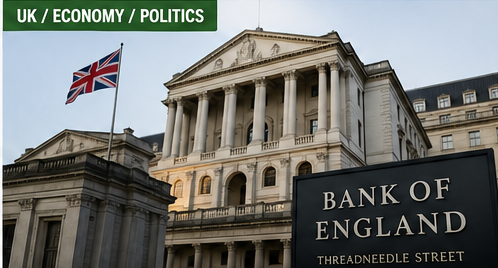
Bank of England Holds Interest Rate at 3.75% as Inflation Concerns Intensify
The Bank of England has kept borrowing costs unchanged, but a larger-than-expected minority of policymakers voted for an immediate increase as Middle East tensions and volatile energy prices threaten to push inflation higher.