Global Food Prices Climb Again as Drought and Freight Costs Bite
Cereal and cooking oil markets tighten as poor harvests in key producers combine with higher shipping and insurance costs.

Global food prices rose again over the past month, with cereals and vegetable oils leading the increase as drought in several major producing regions combined with higher freight and insurance costs to tighten supply.
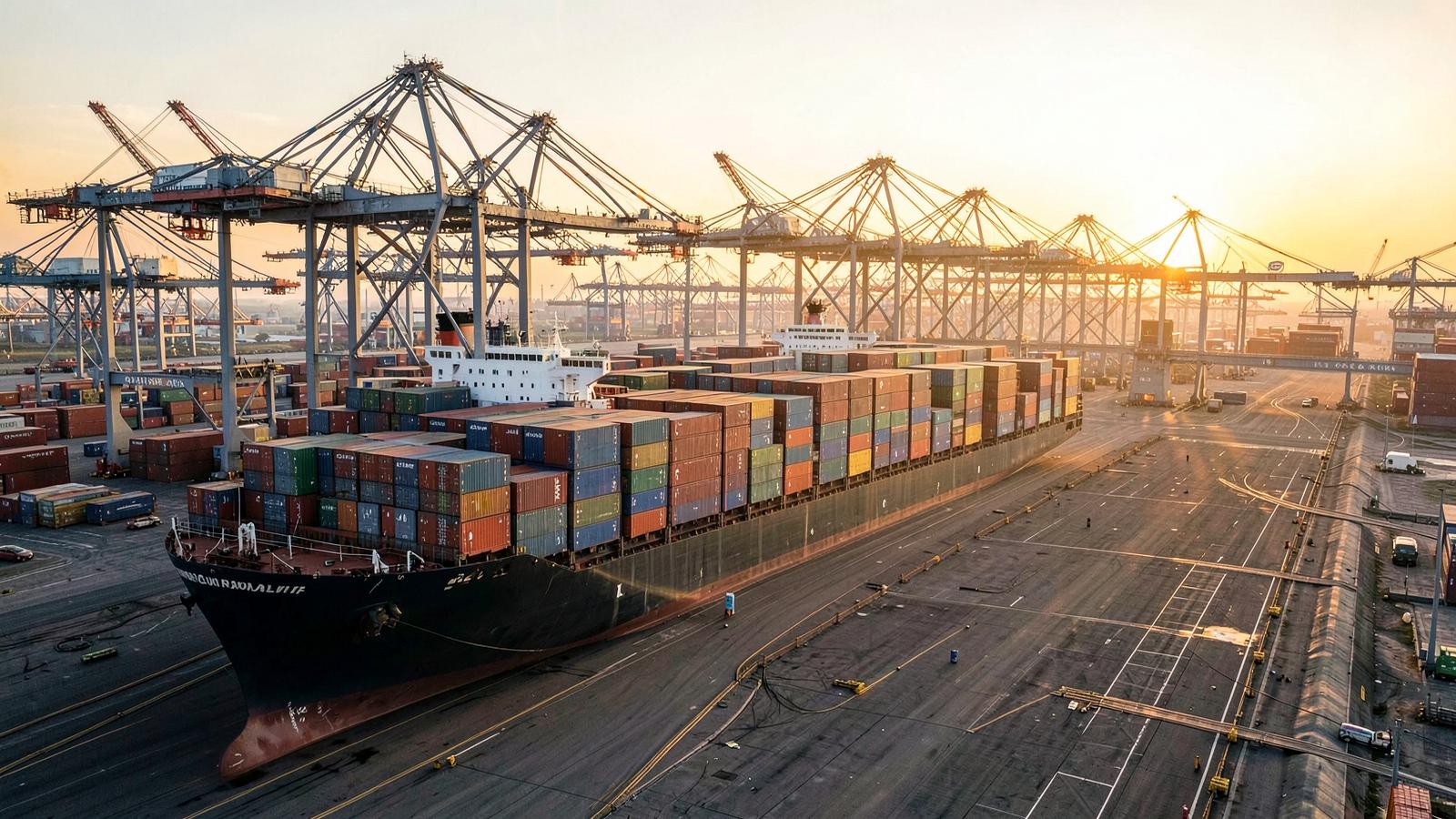
Analysts said the rise is being driven as much by the cost of moving food as by the cost of growing it, with disruption to Gulf shipping routes pushing up rates on long-haul cargoes.
HARVESTS
Yields in parts of southern Europe and North Africa have been cut by heat and water shortage, while exportable surpluses in several Black Sea and South Asian producers are smaller than last year. Rice export restrictions in some markets have added to price pressure.
IMPORT-DEPENDENT ECONOMIES
The effect falls hardest on countries that import most of their staple grain and pay for it in dollars. Aid agencies warn that food assistance budgets are buying materially less than a year ago.
OUTLOOK
Forecasters expect prices to stay elevated through the northern hemisphere autumn, with the main variable being whether shipping disruption eases.
VERIFIED SNAPSHOT
Direction: prices up month on month. Leading categories: cereals and vegetable oils. Drivers: drought-hit yields, export restrictions, freight and insurance costs.
Corrections & updates
- Story published
Verified against the sources cited in this report.
Aug 16, 2026, 7:55 AM
Related stories

Global interest rates move higher as energy pressure complicates inflation fight
The US Federal Reserve stands at 3.75–4.00%, the Bank of Japan has raised rates to 1.25%, the Bank of England held at 3.75% by 6–3 and the ECB remains on a tightening path.

ECB raises interest rates to 2.5% as energy shock revives inflation fears
The European Central Bank lifted its deposit rate by a quarter point, citing renewed energy costs feeding through to core prices across the euro area.
Xi Plans Business Powerhouse for Washington as US-China Relations Enter Critical Phase
The Chinese president is expected to bring a large CEO delegation to Washington on 24 September, sources say, as key economic talks loom.