UK Backs Next-Generation Zero-Emission Vehicles With Nearly £130 Million Investment
Almost £65 million of government funding, matched by industry, will support zero-emission and automated vehicle technology and more than 1,800 jobs.
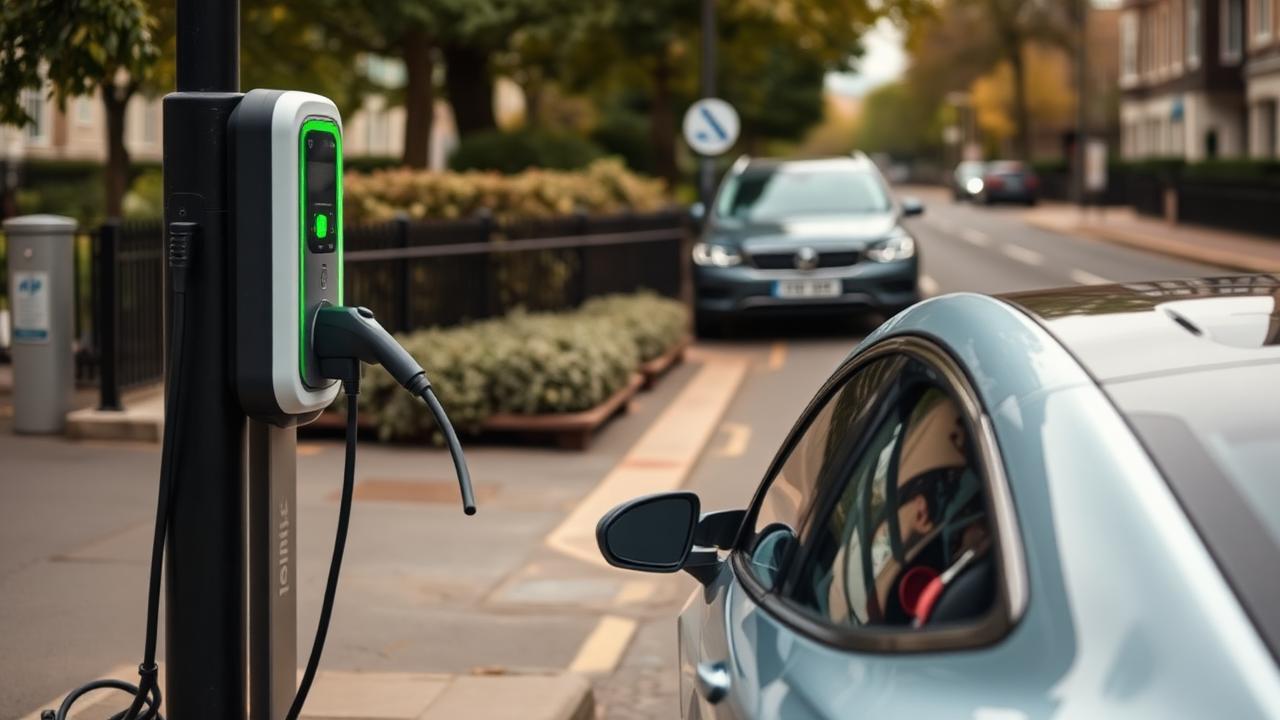
Britain has announced nearly £130 million of government and industry investment in zero-emission and advanced vehicle technologies, in a programme the government says will support more than 1,800 high-value manufacturing jobs.
Almost £65 million will come from government funding, matched by industry investment, under the UK's DRIVE35 industrial programme. The projects range from technologies supporting more affordable electric vehicles to automated and self-driving systems.
Nearly £50 million in government funding is being awarded to automotive companies and research partners developing and scaling zero-emission technologies. A further £17 million will support nine connected and automated mobility projects involving areas including sensors, brake-by-wire systems and artificial-intelligence simulation.
DRIVE35 forms part of a longer-term £2.5 billion government programme aimed at supporting research, development and commercial manufacturing across Britain's zero-emission vehicle industry and supply chain. Of that wider package, £2 billion is intended for capital investment and research and development through 2030, with another £500 million in R&D support extending to 2035.
The government's central argument is that the transition from petrol and diesel vehicles should create industrial opportunities rather than simply replace imported technology. Ministers want Britain to retain vehicle assembly while expanding domestic capability in batteries, power electronics, motors, software and autonomous-driving technology.
The economic test will be whether public money successfully attracts private investment and produces technologies that move from research into mass manufacturing in Britain.
Competition in electric vehicles is increasingly intense, particularly from China, while European and American manufacturers are also committing substantial resources to battery production and next-generation automotive platforms.
For UK workers, the policy therefore represents both a climate programme and an industrial strategy: the government is trying to ensure that jobs associated with the transition to cleaner transport remain in the country.
Source attribution: UK Department for Business and Trade; Innovate UK; DRIVE35; Reuters, 10 August 2026.
Corrections & updates
- Story updatedAug 10, 2026, 1:03 PM
- Story published
Verified against the sources cited in this report.
Aug 10, 2026, 11:57 AM
Related stories

UK Car Market Extends Recovery as August Sales Jump 13.7%
August marks the strongest performance since 2018, with a ninth consecutive month of growth and battery-electric registrations up 27.7%.

China's SMIC Raises Chip Prices as Artificial-Intelligence Demand Strains Capacity
SMIC has increased prices for its most sought-after capacity, with utilisation at 93.7% and quarterly revenue above $3 billion for the first time.

UK Business Activity Returns to Growth, but Recovery Remains Fragile
A preliminary survey recorded the strongest private-sector activity since February, although falling employment and renewed energy-price pressure continue to threaten the improvement.