Christian Harassment in Jerusalem Nearly Triples as Fears Grow Over Religious Freedom
New monitoring data records roughly one anti-Christian incident a day in Jerusalem, as an indictment follows the attack on a Catholic nun and Jewish interfaith volunteers begin escorting clergy through the Old City.
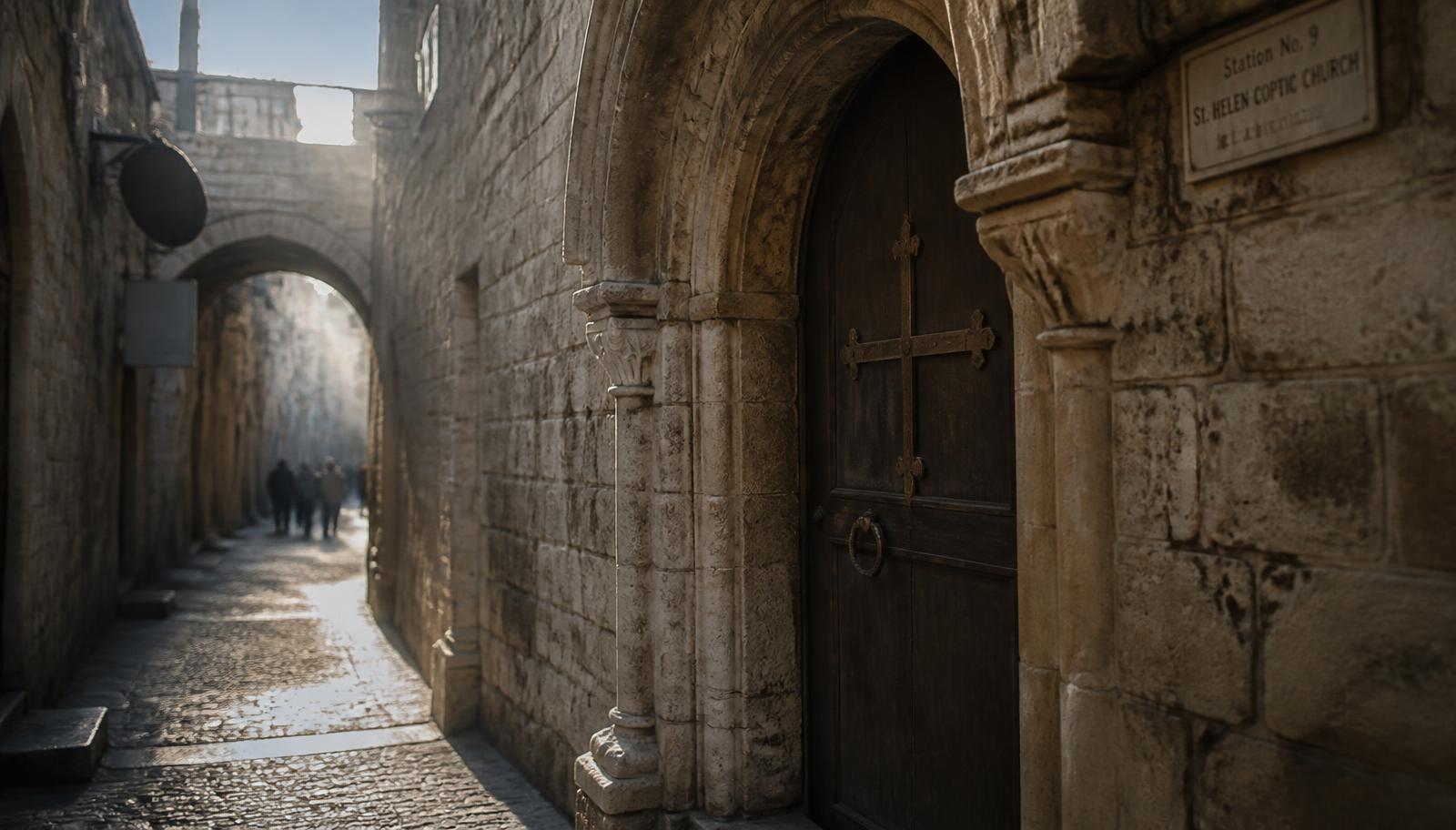
JERUSALEM — Reports of harassment targeting Christians in Jerusalem have risen sharply, with new monitoring data indicating that recorded incidents have nearly tripled compared with four years ago, intensifying concern over the safety of clergy, religious communities and Christian institutions in the Holy Land.
The Religious Freedom Data Center, an organisation tracking anti-Christian incidents, says that during its latest three-month reporting period it documented roughly one incident per day in Jerusalem. According to the organisation, virtually all of the recorded incidents were attributed to Jewish religious nationalists.
The incidents range from verbal intimidation and spitting at Christian clergy to vandalism and physical attacks. The figures are particularly significant because Jerusalem is home to some of Christianity's most sacred places and Christian communities whose presence in the region stretches back centuries.
Nun's attack becomes symbol of growing concern
One of the most serious recent cases involved the violent attack on a Catholic nun in Jerusalem's Old City in April.
A Jewish man from a settlement in the occupied West Bank has now been indicted in connection with that attack, representing an important development in the authorities' response to violence directed at Christians.
The assault has nevertheless left some members of Jerusalem's Christian community feeling increasingly vulnerable.
Sister Mayela, a Mexican nun who has lived in Jerusalem periodically for more than 20 years, told the Associated Press that she has become afraid following the attack. She now sometimes walks with a Jewish Israeli volunteer who accompanies Christian clergy as a form of protection.
The development illustrates both sides of the present situation: Christians are reporting greater insecurity, while Jewish Israelis involved in interfaith initiatives are increasingly stepping forward to defend them.
Spitting and intimidation in the Old City
Jerusalem's Old City remains one of the world's most extraordinary religious spaces. Within its ancient streets are sacred places central to Judaism, Christianity and Islam, including the Western Wall, the Church of the Holy Sepulchre and the Al-Aqsa Mosque compound.
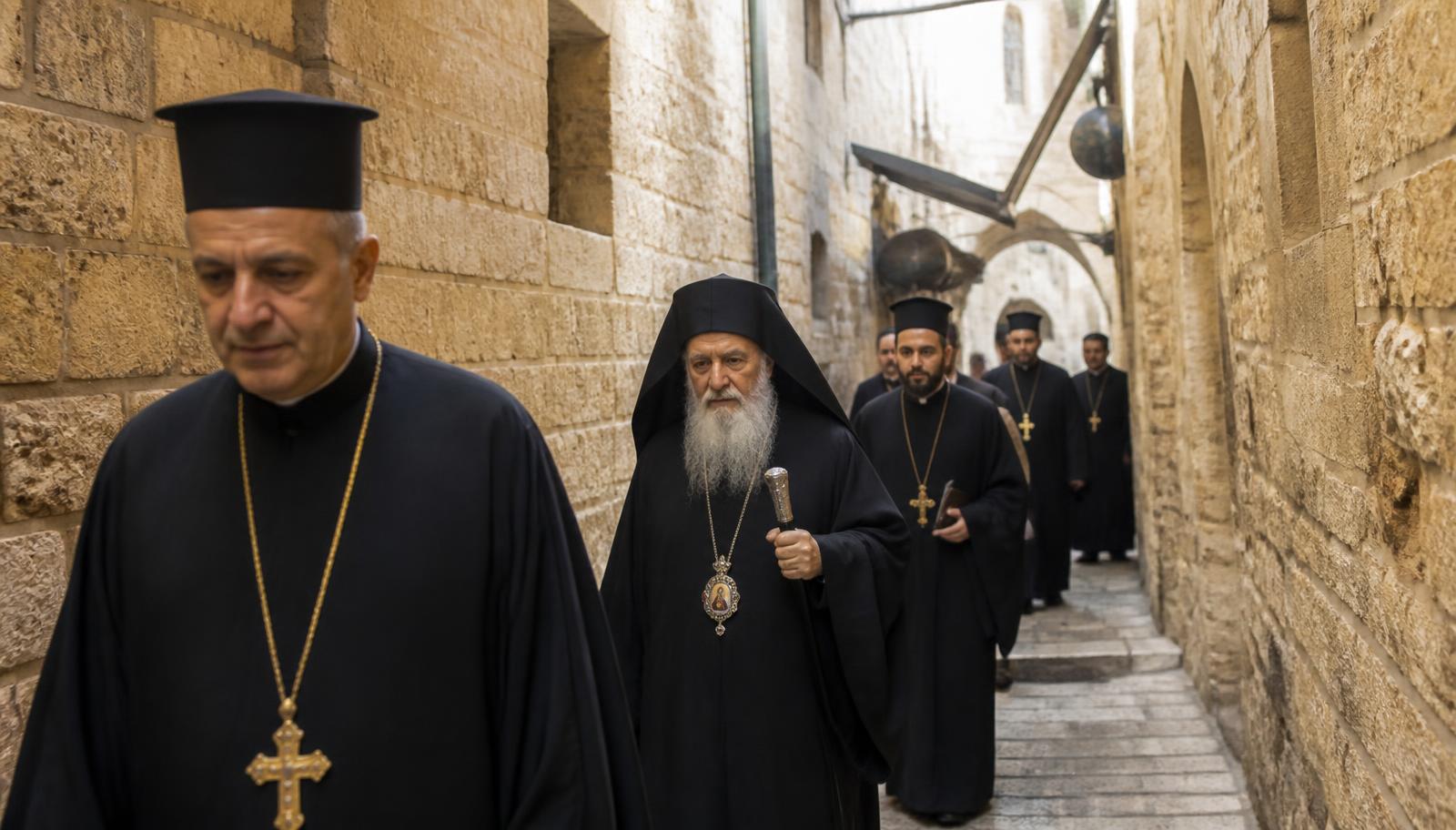
Christian clergy in distinctive robes and habits are therefore highly visible as they move through the Old City's narrow streets. Some church representatives say this visibility can make them targets.
Rev. Alberto Pari, secretary responsible for interfaith dialogue and Christian-Jewish relations with the Custody of the Holy Land, described spitting incidents as a recurring problem for clergy.
At the same time, Pari warned strongly against blaming Jewish people collectively for the behaviour of extremists. That distinction is essential: the reported incidents are associated principally with a relatively small religious-nationalist constituency, while other Jewish Israelis have publicly condemned the harassment and are actively helping Christians.
Jewish volunteers step in to protect Christians
Among those responding is Israeli educator and interfaith activist Yisca Harani, who founded the Religious Freedom Data Center and has personally accompanied Christian religious figures through Jerusalem.
Her intervention is particularly significant because it demonstrates that the confrontation should not be characterised simply as Christians against Jews. Instead, a growing network of Jewish activists is working alongside Christian leaders to preserve religious freedom and coexistence.
For these activists, protecting Christians is also connected to Jewish historical experience. Harani has argued that Christians should not have to leave their homes in Jerusalem afraid of being targeted because of their religious identity.
Christian village of Taybeh also under pressure
Concern extends beyond Jerusalem. Taybeh, a predominantly Christian Palestinian village in the occupied West Bank, has recently faced incidents involving Israeli settlers.
Rev. Bashar Fawadleh, parish priest of Christ the Redeemer Catholic Church, said settlers had cut through residential fences and damaged fruit and vegetable gardens. Residents have consequently become increasingly fearful.
Israeli military authorities subsequently declared the village a closed military zone in an attempt to curb the attacks. The intervention is significant, but Christian residents remain concerned about whether authorities will be able to prevent further incidents.
The situation in Taybeh has also attracted attention from Christian organisations traditionally supportive of Israel, demonstrating how attacks against Christian communities could have wider diplomatic and religious consequences.
Israel appoints Christian-relations envoy
The Israeli government has meanwhile taken steps intended to strengthen relations with Christian communities. Ambassador George Deek, himself a Greek Orthodox Christian, has been appointed as Israel's envoy for relations with the Christian world.
Deek has publicly condemned attacks against Christians and said such incidents are both immoral and illegal and should result in prosecution. His appointment could become an important channel between Israeli authorities, churches and international Christian organisations, particularly as concerns over religious freedom receive greater global attention.
There are also indications of tougher enforcement. Two Israeli soldiers involved in separate incidents against Christian symbols received military prison sentences. One soldier had smashed a crucifix in a family garden, while another placed a cigarette in the mouth of a statue of the Virgin Mary in southern Lebanon.
Those punishments, together with the indictment following the attack on the Catholic nun, suggest authorities are beginning to take some cases more seriously.
Christians remain a small minority
Christians constitute less than 2% of Israel's population, making the community a relatively small religious minority. The wider Christian population of Israel and the Palestinian territories is also complicated by the Israeli-Palestinian conflict because many indigenous Christians are Palestinian Arabs.
The continuing regional conflict following the Hamas-led attacks of 7 October 2023 and subsequent wars has intensified political, ethnic and religious tensions. Christian leaders therefore face the difficult challenge of defending their communities while maintaining relationships across deeply divided societies.
Emigration represents another concern. Christian leaders have warned for years that economic pressure, insecurity, political instability and religious tensions are contributing to the departure of Christians from parts of the Middle East. If that trend continues, communities that have existed in the Holy Land since Christianity's earliest centuries could become increasingly small.
Faith continues despite the fear
Despite those pressures, Christian worship continues. Catholic pilgrims recently gathered at Mount Tabor in northern Israel to celebrate the Feast of the Transfiguration, commemorating the Gospel account in which Jesus was transfigured before His disciples alongside Moses and Elijah. Some pilgrims began climbing the mountain before sunrise.
Their participation provided a striking contrast to the reports of harassment: even as Christians acknowledge increasing insecurity, many remain determined to maintain their faith, traditions and presence in the land associated with the beginnings of Christianity.
A religious-freedom test for the Holy Land
The near-tripling of documented incidents changes the significance of the story. This is no longer merely a collection of isolated confrontations. The available monitoring data indicate a measurable pattern requiring attention from government, police, religious institutions and civil society.
But responsible reporting also requires an important distinction. The perpetrators identified in the monitoring data should not be presented as representative of Jewish Israelis generally. Jewish religious and secular activists are among those condemning the harassment, accompanying Christian clergy and campaigning for stronger protection.
Israeli authorities have also begun prosecuting alleged offenders and disciplining military personnel involved in anti-Christian incidents. The real test will be whether these measures produce a sustained reduction in attacks.
Jerusalem occupies an extraordinary place in the spiritual imagination of billions of people. For Christians, Jews and Muslims alike, its significance extends far beyond politics or geography. Protecting people's ability to worship there without intimidation is therefore not simply a local security issue. It is a question of religious freedom, human dignity and the future of coexistence in the Holy Land.
Source: Associated Press reporting published 14 August 2026, including interviews with Christian clergy, Jewish interfaith activists, Israeli officials and data supplied by the Religious Freedom Data Center.
Corrections & updates
- Story updatedAug 16, 2026, 1:30 PM
- Story published
Verified against the sources cited in this report.
Aug 16, 2026, 8:18 AM
Related stories
Christians in Israel Report Rising Harassment as Interfaith Allies Respond
A small minority describes growing insecurity, while Jewish activists and interfaith organisations work to document incidents and defend religious coexistence.
Christian Church Vandalised in Jaffa as Concerns Over Harassment Grow
Police arrest a man in his 20s over alleged vandalism at St Anthony of Padua Catholic Church; motive not yet established.
At Least 11 Killed as Israeli Strikes on Lebanon Test Fragile Truce
Southern Lebanon comes under the heaviest bombardment in months, with Hezbollah signalling retaliation and mediators warning of wider escalation.