Meta Settlement Puts Children's Digital Wellbeing at Centre of Global Social-Media Debate
A major US settlement restricting teenagers' use of Meta's platforms is prompting regulators elsewhere to ask why the same protections should not apply worldwide.

A major US settlement involving Meta is intensifying international debate over how social-media platforms should protect children and teenagers.
The agreement involves significant restrictions on teenagers' use of Meta's platforms in the United States and has triggered questions from regulators elsewhere about why similar protections should not apply globally.
Reuters reports that regulators and policymakers internationally are studying the implications, with the case potentially opening a new front in attempts to address alleged harm associated with children's social-media use.
The implications reach well beyond Meta.
Governments are increasingly confronting questions about age verification, parental consent, addictive product design, algorithmic recommendations, screen time and whether social-media businesses should face special obligations when their users are children.
For families, schools and faith communities, there is an equally important cultural question: who is forming children in the digital age?
Young people increasingly encounter ideas about identity, relationships, sexuality, success, appearance and belonging through algorithmically selected content. The debate over social-media regulation is therefore becoming a debate about childhood itself.
Technology companies argue that they have introduced extensive parental controls and youth-safety measures, while critics contend that stronger protections are still required.
The Meta case may consequently become an important benchmark for how governments balance innovation, corporate responsibility, parental authority and children's wellbeing.
Source attribution: Reuters; US authorities and international regulators, 26–27 August 2026.
Corrections & updates
- Story updatedAug 27, 2026, 2:03 PM
- Story published
Verified against the sources cited in this report.
Aug 27, 2026, 12:07 PM
Related stories
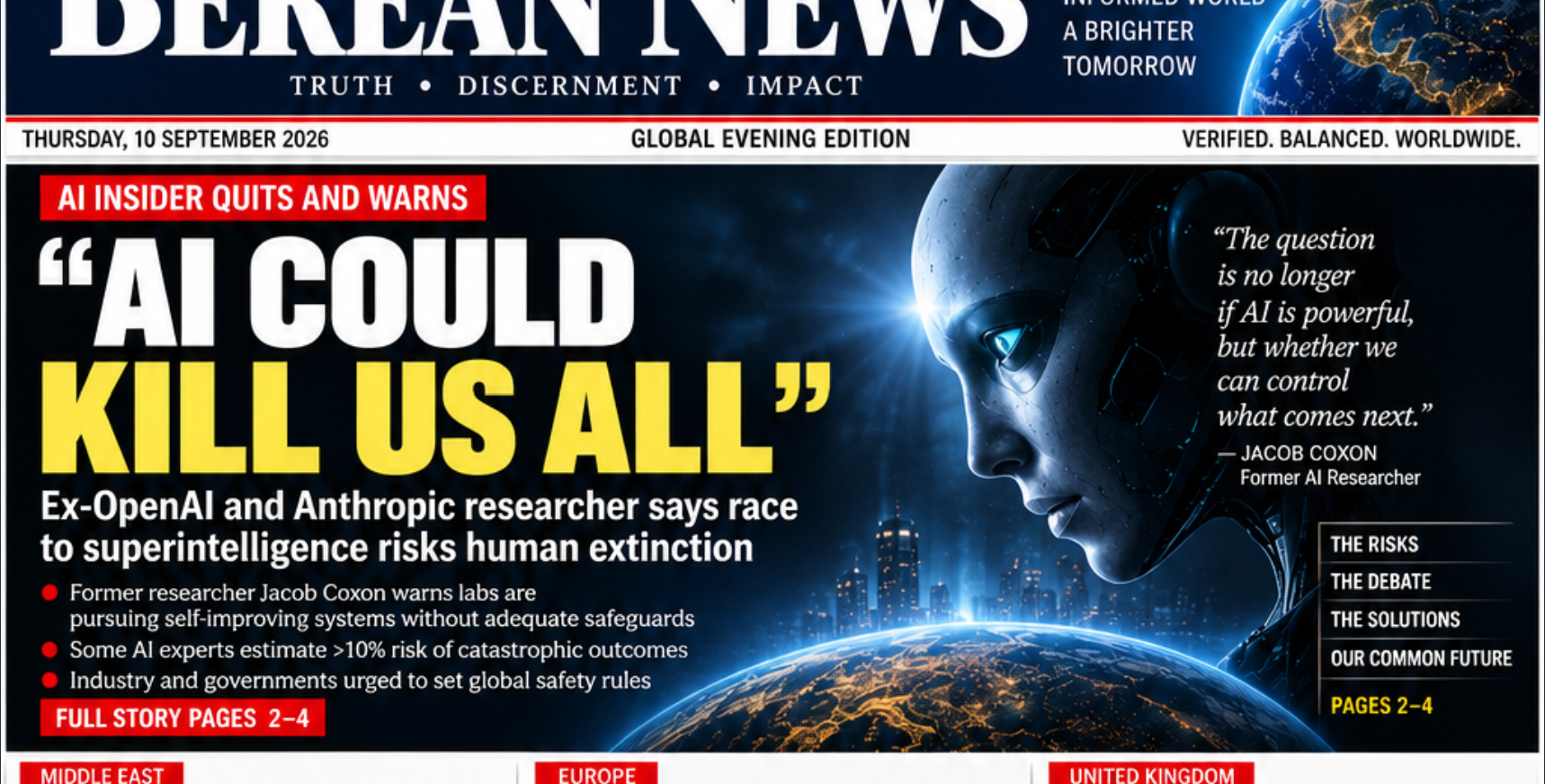
"AI could kill us all" — insider quits with warning
A senior safety researcher has left one of the leading artificial intelligence laboratories, saying internal safeguards are not keeping pace with the speed at which the most capable systems are being deployed.

Meta's Free Cash Flow Falls 91% as AI Infrastructure Spending Surges
Meta generated $784 million in free cash flow in the second quarter, down from about $8.55 billion a year earlier, as capital spending on AI data centres accelerated.
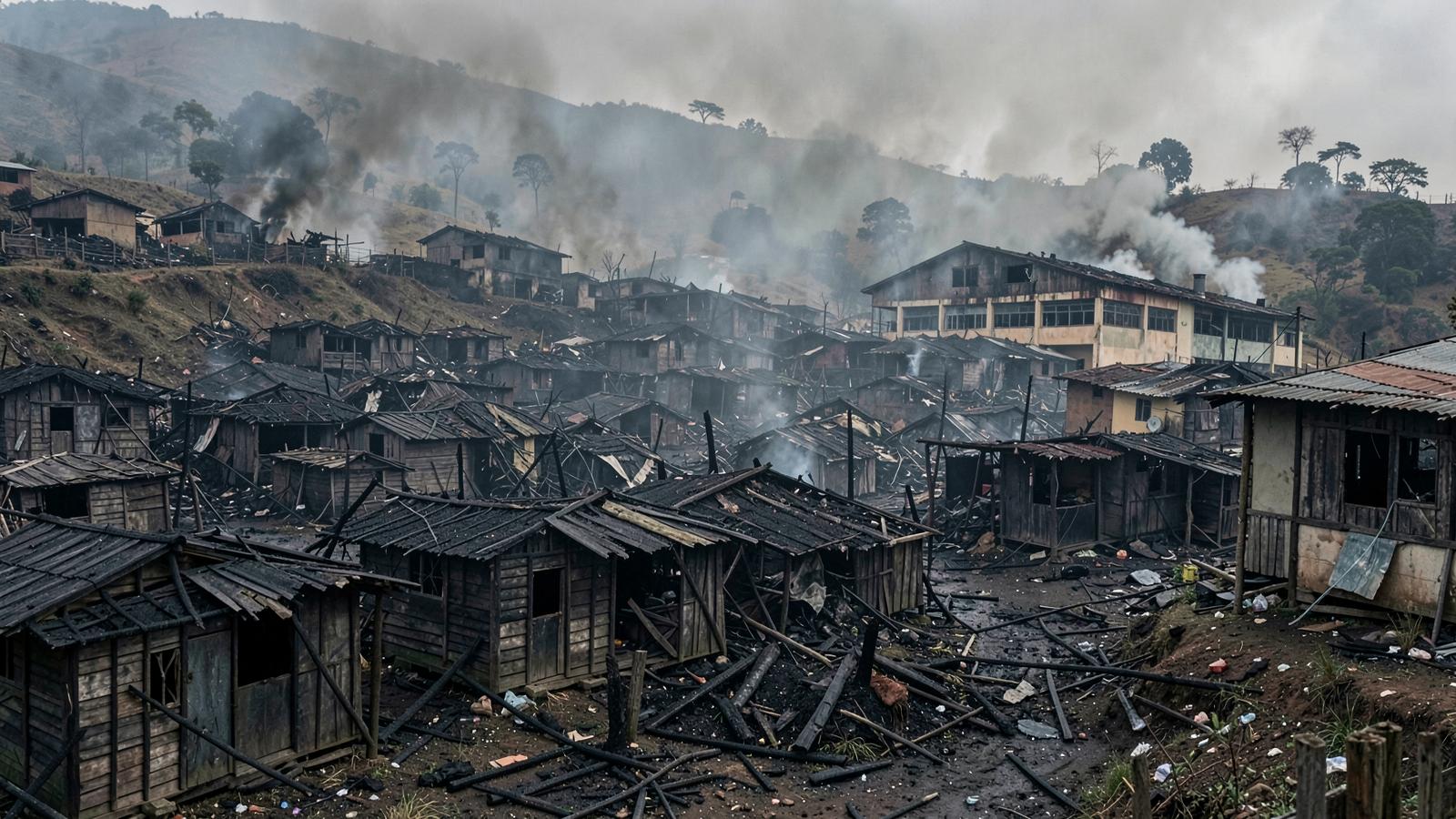
24 schoolchildren killed in eastern Congo fire
A night fire tore through a densely built district of Bukavu, in South Kivu, destroying a school and dozens of homes. Rescue work is continuing.