UN Security Council Begins Secret Polls to Select the Next Secretary-General
Seven candidates are seeking to replace António Guterres, but the final choice will depend on winning broad Security Council support while avoiding a veto from any of its five permanent members.
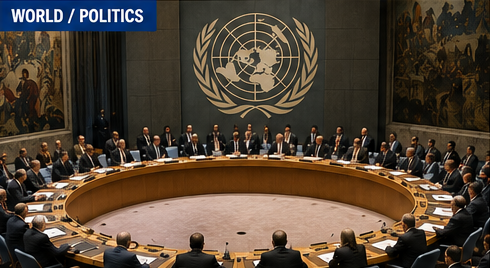
NEW YORK — The United Nations Security Council has begun its first confidential poll of candidates seeking to become the organisation’s next Secretary-General.
The informal process, commonly called a straw poll, allows the Council’s 15 members to indicate whether they encourage, discourage or express no opinion about each candidate. The votes are non-binding but help identify which contenders may be capable of securing the support required for a formal recommendation.
Seven people are currently in the race: Rafael Mariano Grossi of Argentina, former Chilean president Michelle Bachelet, Rebeca Grynspan of Costa Rica, María Fernanda Espinosa of Ecuador, Carolyn Rodrigues-Birkett of Guyana, former Senegalese president Macky Sall and Ugandan diplomat Olara Otunnu.
The Security Council must eventually recommend one candidate to the General Assembly. A successful contender requires at least nine favourable Council votes and cannot be opposed by China, France, Russia, the United Kingdom or the United States—the five permanent members with veto powers.
Early straw polls normally do not produce a final winner. Several rounds may take place as governments negotiate, candidates assess their prospects and permanent members begin indicating which contenders they cannot accept. The confidential nature of the process means partial results may emerge through diplomats before any official confirmation.
Regional balance is expected to influence discussions. Several governments and campaign groups have also argued that the UN should appoint a woman for the first time in its history. Four of the seven declared candidates are women. However, geopolitical acceptability and agreement among the permanent members remain decisive.
The incoming leader will inherit an organisation confronting major wars, humanitarian funding shortages, climate-related emergencies and disputes over the effectiveness of multilateral institutions. Candidates have presented proposals involving conflict prevention, institutional reform, development financing and governance of emerging technologies.
António Guterres’ second term ends on 31 December 2026. His successor is expected to begin a five-year term on 1 January 2027.
No authenticated result from today’s first poll had been publicly released at the time this report was updated. Claims identifying a leading candidate should therefore be treated cautiously unless supported by official confirmation or multiple reliable diplomatic sources.
Corrections & updates
- Marked as a developing story
This report is being updated as verified information arrives.
Jul 30, 2026, 3:02 PM - Story published
Verified against the sources cited in this report.
Jul 30, 2026, 2:35 PM
Related stories
US Envoys Eye Moscow and Kyiv as New Peace Push Takes Shape
US officials are preparing for separate missions to Russia and Ukraine this weekend, sources say, as Washington seeks to address security concerns and explore a path toward ending the war.
Kushner to Meet Netanyahu After Rare Direct Meeting With Hamas Leader
Washington pushes a Gaza framework covering an end to hostilities, withdrawal, disarmament and reconstruction.
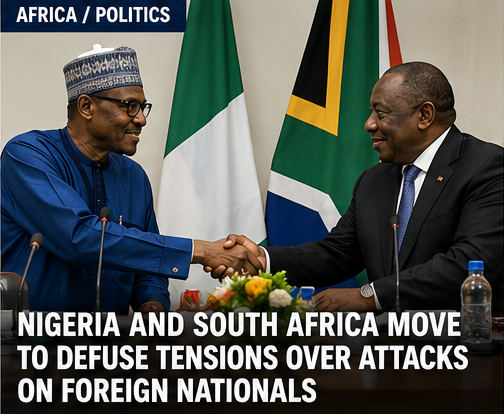
Nigeria and South Africa Seek to Defuse Tensions After Attacks on Foreign Nationals
South Africa has promised to pursue those responsible for recent violence, while Nigeria is compiling claims for compensation after attacks and looting affected Nigerian citizens and other African migrants.