UK borrowing costs hit levels not seen since before financial crisis
The ten-year gilt yield closed at 5.378 per cent, tightening the fiscal squeeze ahead of the autumn budget.
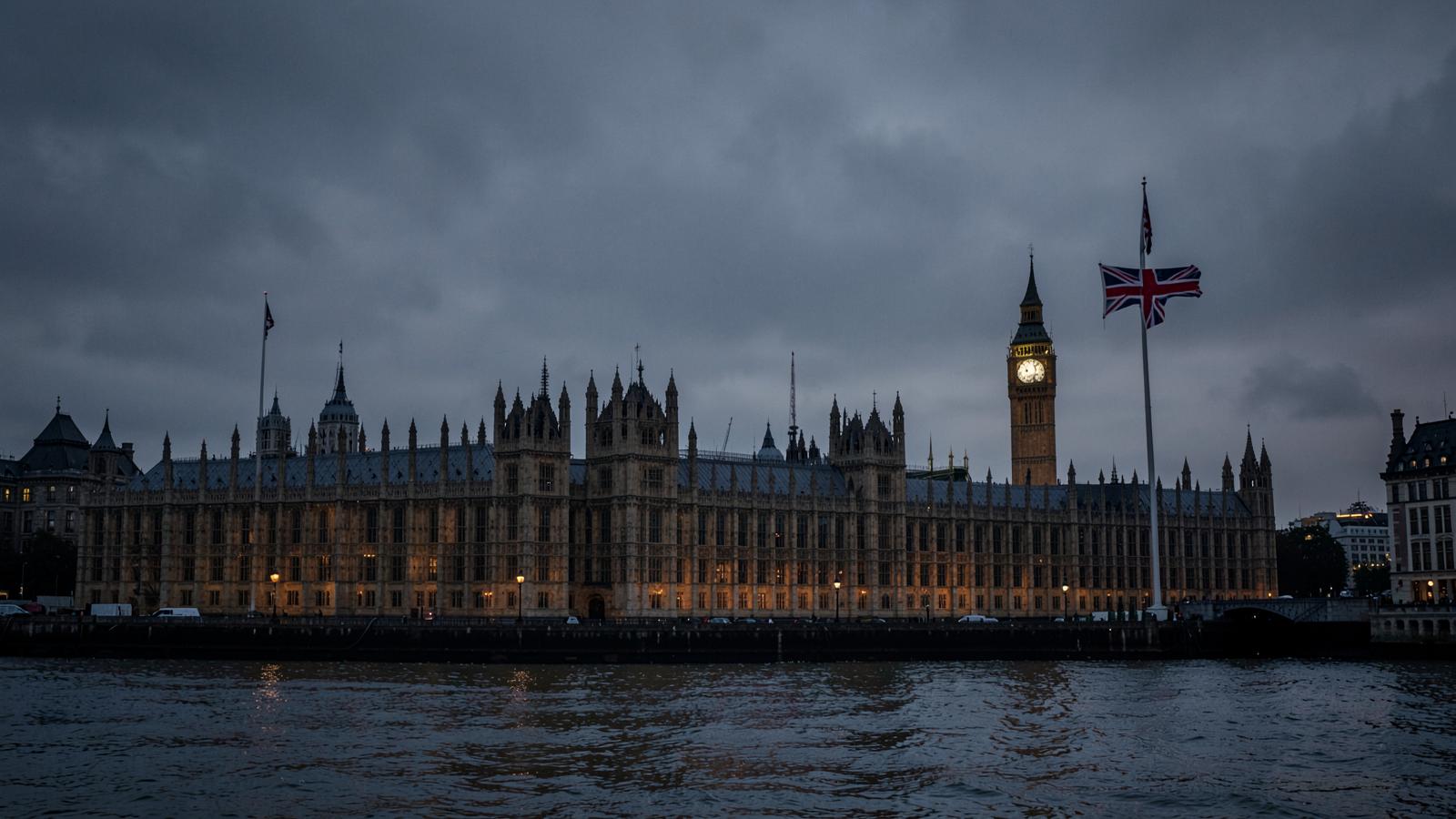
United Kingdom government borrowing costs rose again on Thursday, with the yield on the ten-year gilt closing at 5.378 per cent - a level last sustained before the 2008 financial crisis.
Why are investors selling?
Traders point to three pressures at once: renewed energy-driven inflation across Europe, a heavier-than-expected schedule of gilt issuance, and uncertainty over the tax and spending choices to be set out in the autumn budget. Long-dated gilts have been hit hardest, a pattern that usually signals doubt about the medium-term path of debt rather than about the next rate decision.
What it means for the public finances
Every sustained rise in yields raises the cost of servicing debt, much of which reprices as it is refinanced. Higher servicing costs narrow the room for spending decisions without offsetting tax rises.
What it means for households
Mortgage pricing follows swap rates rather than gilts directly, but the two move together. Lenders have already withdrawn and repriced a number of fixed-rate products this week.
Compiled from Bank of England and Debt Management Office data and from Reuters and Financial Times market reporting. Verification cut-off 22:30 BST on 10 September 2026. Yields quoted are at the London close.
Corrections & updates
- Story updatedSep 10, 2026, 10:20 PM
- Story published
Verified against the sources cited in this report.
Sep 10, 2026, 8:10 PM
Related stories
Bank of England Holds Interest Rate at 3.75% as Inflation Concerns Intensify
The Bank of England has kept borrowing costs unchanged, but a larger-than-expected minority of policymakers voted for an immediate increase as Middle East tensions and volatile energy prices threaten to push inflation higher.
UK Household Borrowing Grows at Fastest Annual Rate in Nearly Eight Years
Consumer-credit growth reached 9.1% in June, raising questions about whether stronger spending reflects improving confidence or increasing dependence on borrowing.

Tonight's editorial picture: the cost of building faster than we can check
Artificial intelligence, energy and a hillside fire in Bukavu look unrelated. Read together, they describe a world building at a speed its safeguards have not matched.