Pan-African Parliament Opens New Session with Water Security and Accountability at the Centre
African legislators are gathering in Midrand to consider water, sanitation, trade, peace, governance, gender and youth affairs during the first ordinary session of the Parliament's seventh legislature.
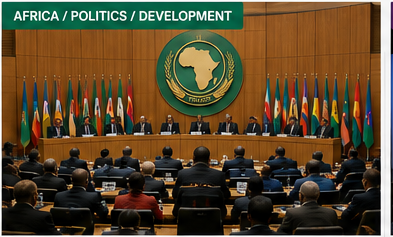
MIDRAND — The Pan-African Parliament is convening the First Ordinary Session of its Seventh Legislature at its headquarters in Midrand, South Africa.
The formal plenary begins on 27 July as part of a wider programme running from 17 July to 1 August. Preparatory meetings were followed by permanent-committee and caucus sessions, during which parliamentarians developed reports and recommendations for plenary consideration.
South African President Cyril Ramaphosa was announced as the guest of honour and keynote speaker for the opening ceremony. The session also marks the beginning of a new phase under the Parliament's recently elected leadership, headed by President Dr Fateh Boutbig.
The African Union's 2026 theme, "Ensuring Sustainable Water Availability and Safe Sanitation Systems to Achieve the Goals of Agenda 2063," is central to the programme. Committees are expected to examine how continental commitments can be translated into domestic laws, public investment and stronger government accountability.
Reliable water and sanitation services affect public health, education, agriculture, economic productivity and climate resilience. Health facilities cannot maintain safe infection-control standards without dependable water, while schools without appropriate toilets may struggle to retain pupils, particularly adolescent girls.
Parliamentarians are also expected to consider peace and security, trade and economic integration, governance, gender equality and youth development. These issues are interconnected: instability can damage infrastructure and public services, while weak regional trade can increase the cost of equipment needed for water, energy and health projects.
The Pan-African Parliament brings together representatives from national legislatures across African Union member states. Its debates can establish continental priorities, but many recommendations require national legislation, budgets and executive action before they can affect communities directly.
Accountability should therefore be a central measure of the session's success. Water declarations must be followed by funded projects, transparent procurement, maintenance budgets and regular publication of service-coverage data.
The Parliament's leadership conducted a readiness inspection before the session, reviewing accreditation, interpretation systems, audiovisual facilities, logistics and arrangements inside the plenary chamber.
Berean News will follow the proceedings for formally adopted resolutions, deadlines, financing commitments and mechanisms through which national parliaments will report on implementation.
Source: Pan-African Parliament; African Union
Corrections & updates
- Marked as a developing story
This report is being updated as verified information arrives.
Jul 27, 2026, 11:38 AM - Story published
Verified against the sources cited in this report.
Jul 27, 2026, 6:39 AM
Related stories
Pan-African Parliament Prepares to Open First Ordinary Session of Seventh Legislature
Parliamentarians from across Africa will meet in Midrand to consider water and sanitation, peace and security, trade, regional integration, gender and youth affairs.
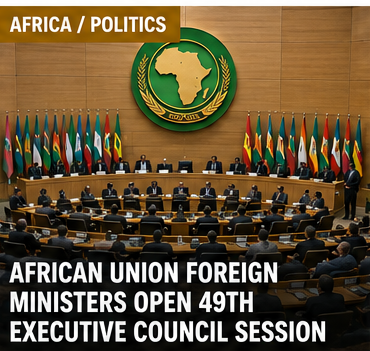
African Union Foreign Ministers Open 49th Executive Council Session in Addis Ababa
The two-day meeting is being held under the African Union's water-and-sanitation theme and will prepare decisions requiring coordination among member states, the AU Commission and regional organisations.
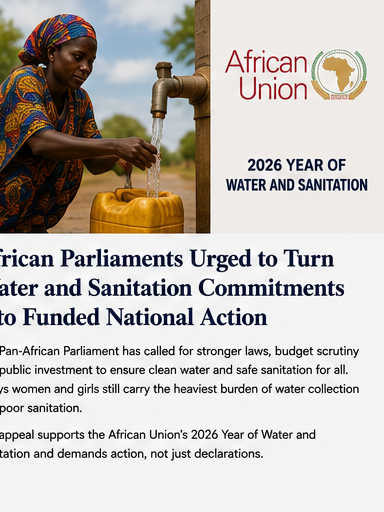
African Parliaments Urged to Fund Clean Water and Safe Sanitation
The Pan-African Parliament says continental water and sanitation commitments must be converted into stronger laws, public investment and accountable national programmes.