Pan-African Parliament Prepares to Open First Ordinary Session of Seventh Legislature
Parliamentarians from across Africa will meet in Midrand to consider water and sanitation, peace and security, trade, regional integration, gender and youth affairs.
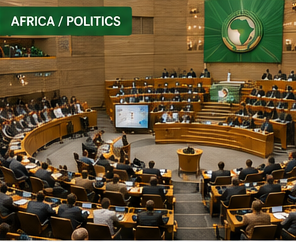
MIDRAND — The Pan-African Parliament is preparing to open the First Ordinary Session of its Seventh Legislature on 27 July at its headquarters in Midrand, South Africa.
The plenary session will run from 27 to 30 July and forms part of a wider programme that began with preparatory meetings on 17 July and continues until 1 August. The opening programme is expected to include an address by the Parliament’s president, the swearing-in of new members, solidarity messages and a presentation on the state of the African Union.
Permanent committees and parliamentary caucuses have been meeting from 20 to 26 July to prepare reports and recommendations for the plenary. Their work is being guided by the African Union’s 2026 theme on sustainable water availability and safe sanitation systems.
Water and sanitation will be a central focus because of their connection with health, food security, education, climate resilience and economic development. Parliamentary discussions are expected to examine legislation, financing, public accountability and national implementation.
Committees are also considering cross-cutting issues including peace and security, trade and economic integration, gender equality and youth affairs. These subjects reflect the Parliament’s wider role in supporting continental cooperation and advancing Agenda 2063.
The Pan-African Parliament brings together members drawn from national legislatures across African Union member states. It was established to provide a continental parliamentary platform, strengthen public participation and promote integration.
The institution’s influence depends heavily on cooperation with national parliaments and African Union bodies. Recommendations adopted in Midrand must often be translated into domestic laws, budgets and oversight processes before they can affect citizens directly.
The new legislature therefore faces a familiar challenge: moving beyond high-level declarations towards measurable national action. Water and sanitation commitments, for example, will require infrastructure investment, maintenance funding, regulation and transparent reporting.
The Parliament’s president, Dr Fateh Boutbig, inspected operational preparations on 22 July, including accreditation, interpretation, audiovisual systems, logistics and readiness within the plenary chamber.
The session opens at a time when many African countries face interconnected pressures involving debt, climate shocks, security concerns and demands for employment and public services.
Berean News will follow the plenary for formal resolutions, committee reports and commitments that may influence national policy across the continent.
Corrections & updates
- Marked as a developing story
This report is being updated as verified information arrives.
Jul 26, 2026, 6:56 AM - Story published
Verified against the sources cited in this report.
Jul 26, 2026, 5:15 AM
Related stories
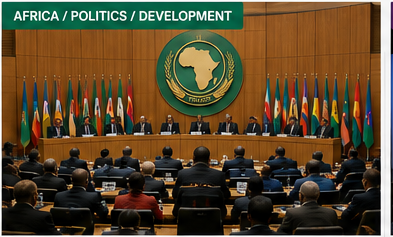
Pan-African Parliament Opens New Session with Water Security and Accountability at the Centre
African legislators are gathering in Midrand to consider water, sanitation, trade, peace, governance, gender and youth affairs during the first ordinary session of the Parliament's seventh legislature.
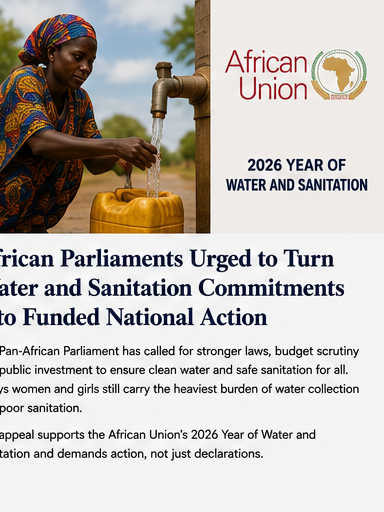
African Parliaments Urged to Fund Clean Water and Safe Sanitation
The Pan-African Parliament says continental water and sanitation commitments must be converted into stronger laws, public investment and accountable national programmes.
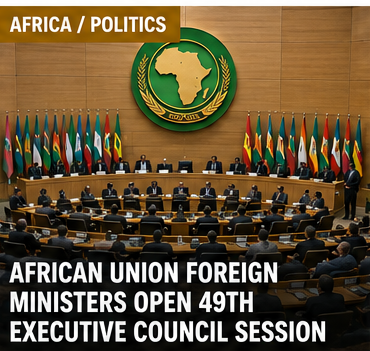
African Union Foreign Ministers Open 49th Executive Council Session in Addis Ababa
The two-day meeting is being held under the African Union's water-and-sanitation theme and will prepare decisions requiring coordination among member states, the AU Commission and regional organisations.