Global interest rates move higher as energy pressure complicates inflation fight
The US Federal Reserve stands at 3.75–4.00%, the Bank of Japan has raised rates to 1.25%, the Bank of England held at 3.75% by 6–3 and the ECB remains on a tightening path.
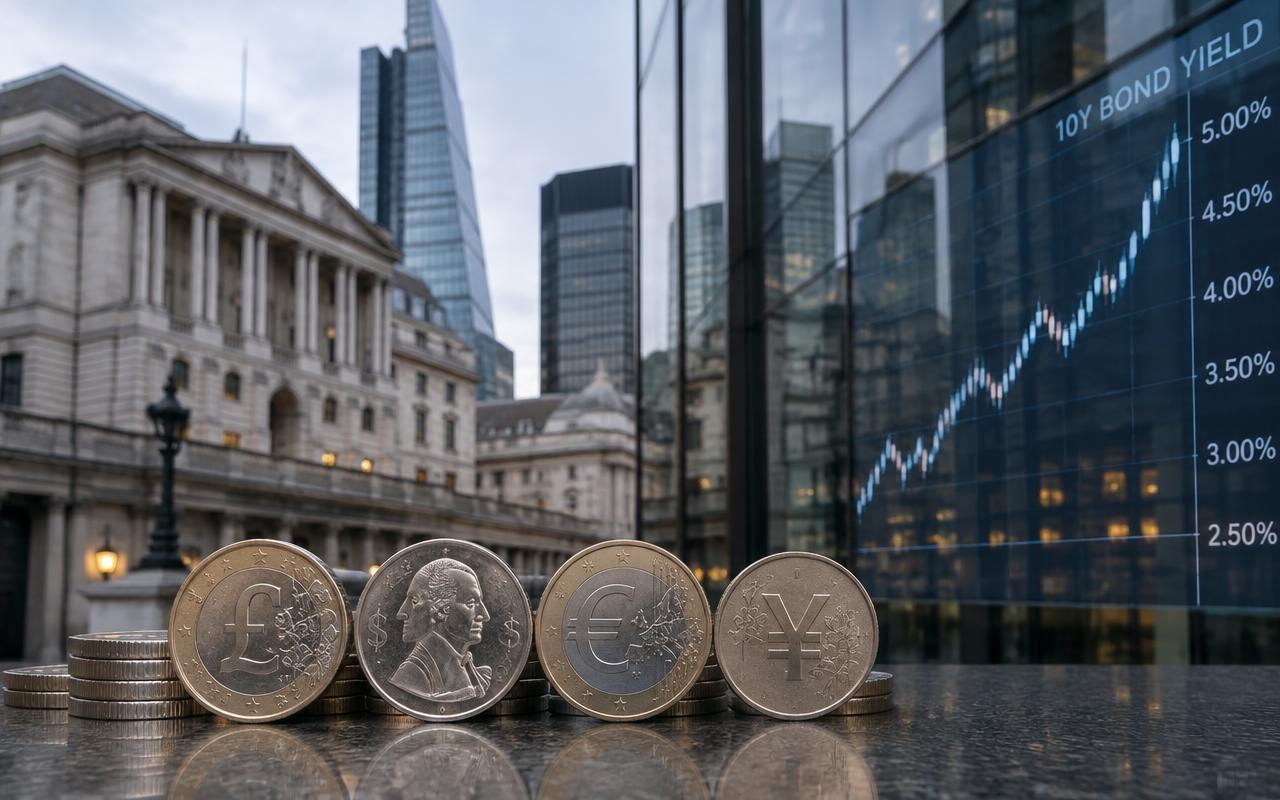
Interest-rate pressure is building across major economies as central banks weigh persistent inflation against slowing growth and renewed energy costs.
The US Federal Reserve’s target range stands at 3.75–4.00%. In Japan, the Bank of Japan has raised its policy rate to 1.25%, reinforcing a gradual move away from years of exceptionally loose policy.
The Bank of England held Bank Rate at 3.75%, with the Monetary Policy Committee voting 6–3 for no change. The split showed that officials remain divided over how quickly inflation risks are easing.
The European Central Bank’s direction remains tighter as policymakers assess energy-driven price pressure. Market pricing can move rapidly and should not be read as a guarantee of the next decision.
Editorial note: Rates and voting figures reflect the latest published decisions available at the edition cut-off. Policy paths are described from official statements, not as forecasts.
Corrections & updates
- Story updatedSep 19, 2026, 9:35 AM
- Story published
Verified against the sources cited in this report.
Sep 19, 2026, 7:35 AM
Related stories
Bank of England Expected to Hold Interest Rate at 3.75% as Energy Risks Complicate Outlook
Economists expect the Bank of England to leave borrowing costs unchanged on Thursday, but renewed oil and gas price increases have raised the possibility of tighter monetary policy later in the year.

ECB raises interest rates to 2.5% as energy shock revives inflation fears
The European Central Bank lifted its deposit rate by a quarter point, citing renewed energy costs feeding through to core prices across the euro area.
Bank of England Holds Interest Rate at 3.75% as Inflation Concerns Intensify
The Bank of England has kept borrowing costs unchanged, but a larger-than-expected minority of policymakers voted for an immediate increase as Middle East tensions and volatile energy prices threaten to push inflation higher.