African Union Ministers Conclude Talks on Water, Sanitation and Agenda 2063
Foreign ministers have spent two days reviewing continental priorities, with pressure mounting for declarations to be matched by funding, deadlines and national implementation.
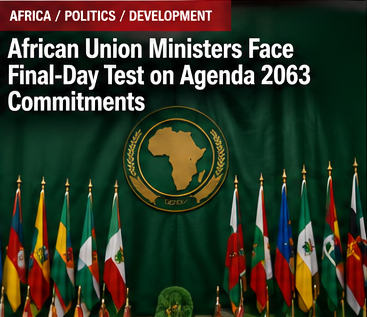
ADDIS ABABA — African Union foreign ministers have concluded the scheduled second day of the organisation's 49th Ordinary Session of the Executive Council in Addis Ababa.
The meeting was held on 28 and 29 July under the theme "Assuring Sustainable Water Availability and Safe Sanitation Systems to Achieve Agenda 2063."
The Executive Council brings together foreign ministers and other representatives from AU member states. It considers reports, coordinates policy and prepares decisions concerning the Union's political, economic and development priorities.
During the opening session, ministers reviewed the implementation of the AU's 2026 theme and considered reports from the Permanent Representatives Committee and the organisation's work relating to G20 engagement.
Water and sanitation have been placed at the centre of the agenda because they affect public health, agriculture, food security, education, urban development and climate resilience.
Millions of Africans continue to live without reliable access to safe water or sanitation. The problem is not limited to infrastructure construction; it also includes maintenance, electricity supply, water-quality monitoring, financing and the capacity of local institutions.
Agenda 2063 presents the African Union's long-term vision for economic transformation, integration and improved living standards. However, progress depends largely on national governments translating continental objectives into laws, budgets and functioning public services.
The meeting also considered institutional delivery and cooperation among the AU Commission, member states and regional economic communities.
The decisive information will be contained in the council's formal decisions and any published communiqué. These documents should establish which institutions are responsible for implementation, how projects will be funded and how progress will be measured.
Without specific financial and reporting commitments, continental declarations risk remaining aspirational.
Why it matters
Water shortages, poor sanitation and weak cross-border coordination affect health, migration, farming and economic growth. The value of the meeting will be judged by actions taken after ministers leave Addis Ababa.
Corrections & updates
- Marked as a developing story
This report is being updated as verified information arrives.
Jul 29, 2026, 10:29 PM - Story published
Verified against the sources cited in this report.
Jul 29, 2026, 9:12 PM
Related stories
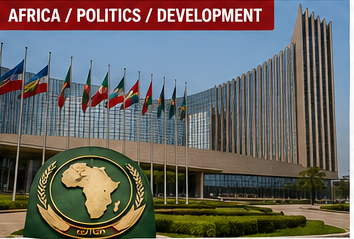
African Union Concludes Ministerial Session but Detailed Decisions Remain Unpublished
Foreign ministers discussed water, sanitation and delivery of Agenda 2063, but the final public record of adopted commitments had not appeared on the African Union’s website by the time of publication.
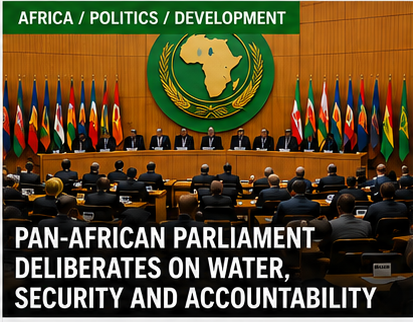
Pan-African Parliament Opens New Legislature with Water and Accountability Agenda
African legislators meeting in Midrand are being urged to turn continental commitments on water, sanitation, trade and governance into funded national programmes and measurable improvements.
Pan-African Parliament Prepares to Open First Ordinary Session of Seventh Legislature
Parliamentarians from across Africa will meet in Midrand to consider water and sanitation, peace and security, trade, regional integration, gender and youth affairs.