Sony and TSMC Deepen Image-Sensor Manufacturing Ties
The two companies set out closer cooperation on sensor production, in a category where Japanese design and Taiwanese logic manufacturing have become difficult to separate.
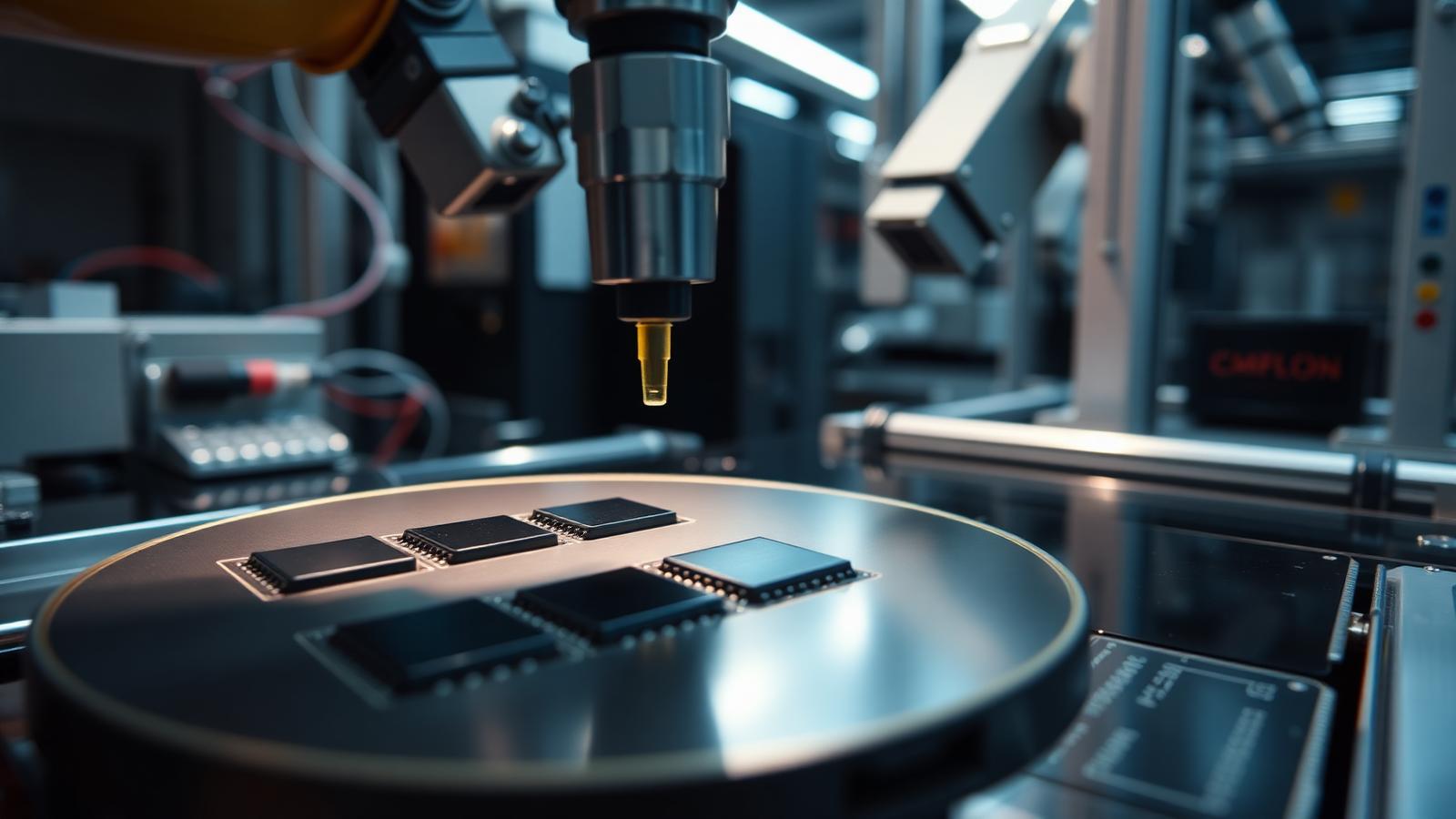
Sony and TSMC have set out closer cooperation on the manufacture of advanced image sensors, extending an existing relationship in a component category central to smartphones, vehicles and industrial vision systems.
Modern image sensors are stacked devices: a light-sensing layer produced with specialised processes is bonded to a logic layer fabricated on conventional semiconductor nodes. Sony leads the market in the sensing layer, while the logic layer increasingly relies on advanced foundry capacity of the kind TSMC supplies.
Automotive demand has become a significant driver, with driver-assistance systems requiring multiple high-dynamic-range sensors per vehicle and qualification cycles considerably longer than those in consumer electronics.
Berean News Technology Analysis
Stacked sensors are a case where the boundary between design and manufacturing has effectively dissolved. Performance depends on how the two layers are bonded and how closely the processes are co-developed, which makes arm's-length supply arrangements progressively less workable as pixel counts and processing demands rise.
Editorial Verdict
Read this as consolidation of a technical dependency that already existed rather than a new alliance. The interesting consequence is concentration: a category this important to vehicles and phones now depends on the co-operation of two companies in two jurisdictions, with few substitutes at the top end.
Corrections & updates
- Story updatedAug 13, 2026, 1:00 PM
- Story published
Verified against the sources cited in this report.
Aug 13, 2026, 12:06 PM
Related stories
Nvidia Enters Washington's Political Arena With Employee-Funded PAC
The AI chipmaker is preparing to establish NVPAC as export controls, tariffs and data-centre policy increasingly shape its business.
Nvidia Says AI Boom Still Has Years to Run as It Forecasts 70% Sales Growth
The chipmaker's outlook for roughly 70% revenue growth next fiscal year lifted technology shares and eased fears of a sharp slowdown in AI infrastructure spending.
Taiwan's AI Boom Puts Economy on Course for Fastest Growth in Almost 40 Years
Government raises its 2026 forecast to 11.05% as semiconductor exports surge on global AI hardware demand.