Nigeria's Cost-of-Living Crisis Deepens Despite Renewed Investor Confidence
Households remain under pressure even as reforms boost investor confidence.
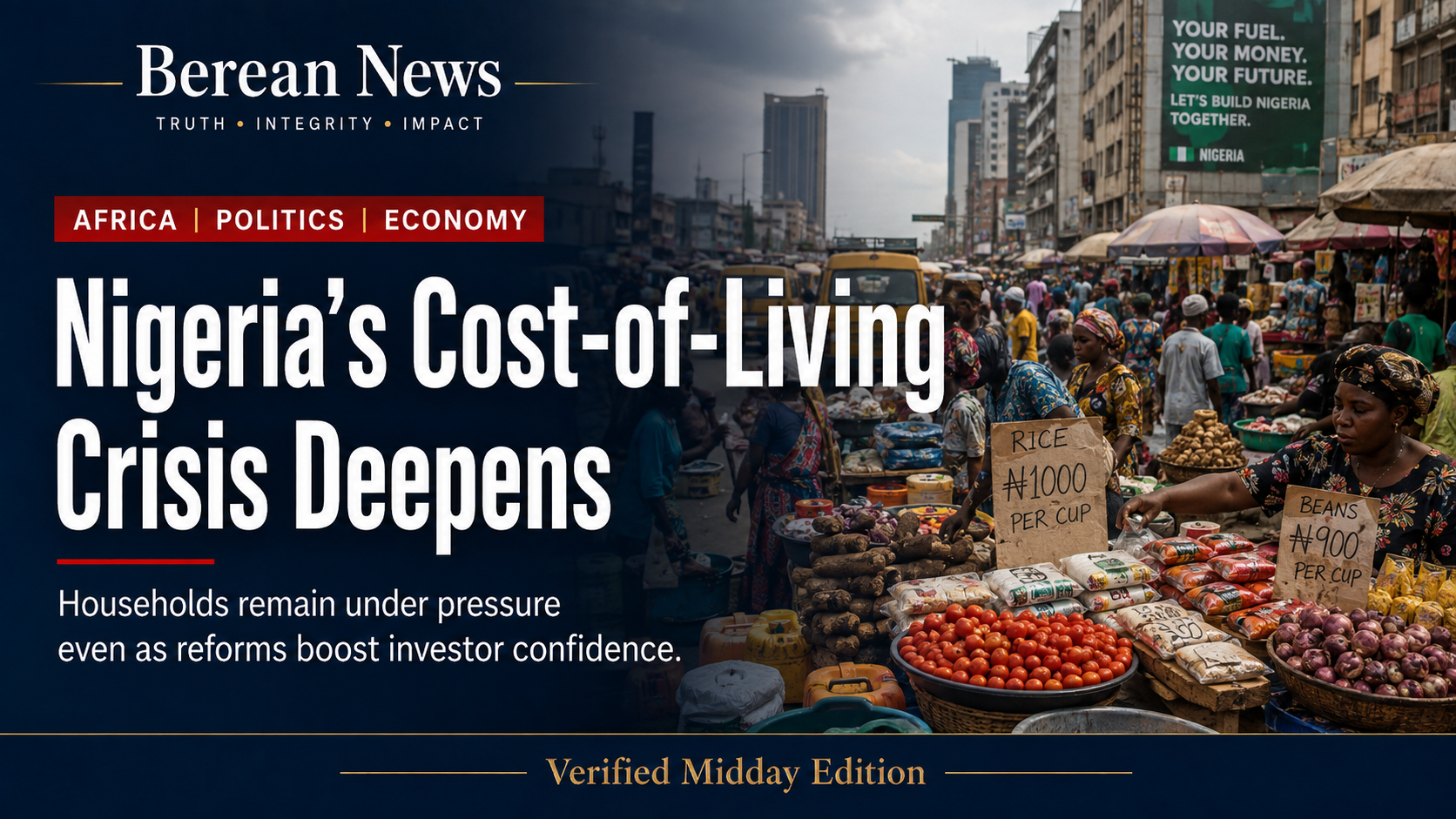
Nigeria's economic reforms are producing dramatically different experiences for international investors and ordinary households, with rising food, fuel and living costs continuing to place severe pressure on millions of people.
Reuters reporting from Abuja shows how workers earning significantly above the statutory minimum wage are still struggling to cover basic expenses as the cost of housing, transportation, food and energy absorbs an increasing share of household income.
The financial pressure follows a series of major economic reforms introduced under President Bola Tinubu, including the removal of fuel subsidies, changes to the value of the naira and reductions in electricity subsidies. The government argues that the measures were necessary to address fiscal imbalances, attract investment and create a more sustainable economy over the longer term.
For consumers, however, the immediate effects have been painful. Reuters reported that petrol prices have increased about sixfold since the reform process began, while the cost of popular foods such as jollof rice has roughly doubled. Wages have not risen at the same pace for many workers.
At the same time, international investor sentiment towards Nigeria has improved substantially. Capital inflows have reached their highest level in six years, while the Nigerian stock market has posted strong gains.
That contrast is increasingly becoming a political problem. Economic reforms are often assessed through indicators such as foreign investment, currency stability, government revenue and stock-market performance. But households judge economic success through different measures: what food costs, how much fuel they can buy, whether rent can be paid and how far a salary lasts.
High borrowing costs add another layer of difficulty. Nigeria's elevated interest rates make loans more expensive for households and small businesses, potentially slowing the extent to which financial-sector improvements translate into broader economic activity.
Public frustration has already contributed to demonstrations and labour tensions. Reuters cited polling indicating deep pessimism about the country's direction, although Nigeria's fragmented opposition means dissatisfaction will not necessarily translate automatically into a political change.
For the government, the strategic challenge is now clear: stabilising the macroeconomy is only the first phase. The next test is whether reforms can generate higher incomes, affordable essentials and enough jobs for ordinary Nigerians to feel that economic recovery is reaching them personally.
Source attribution: Reuters reporting and analysis; Nigerian economic data.
Corrections & updates
- Story updatedAug 10, 2026, 1:52 PM
- Story published
Verified against the sources cited in this report.
Aug 10, 2026, 12:18 PM
Related stories
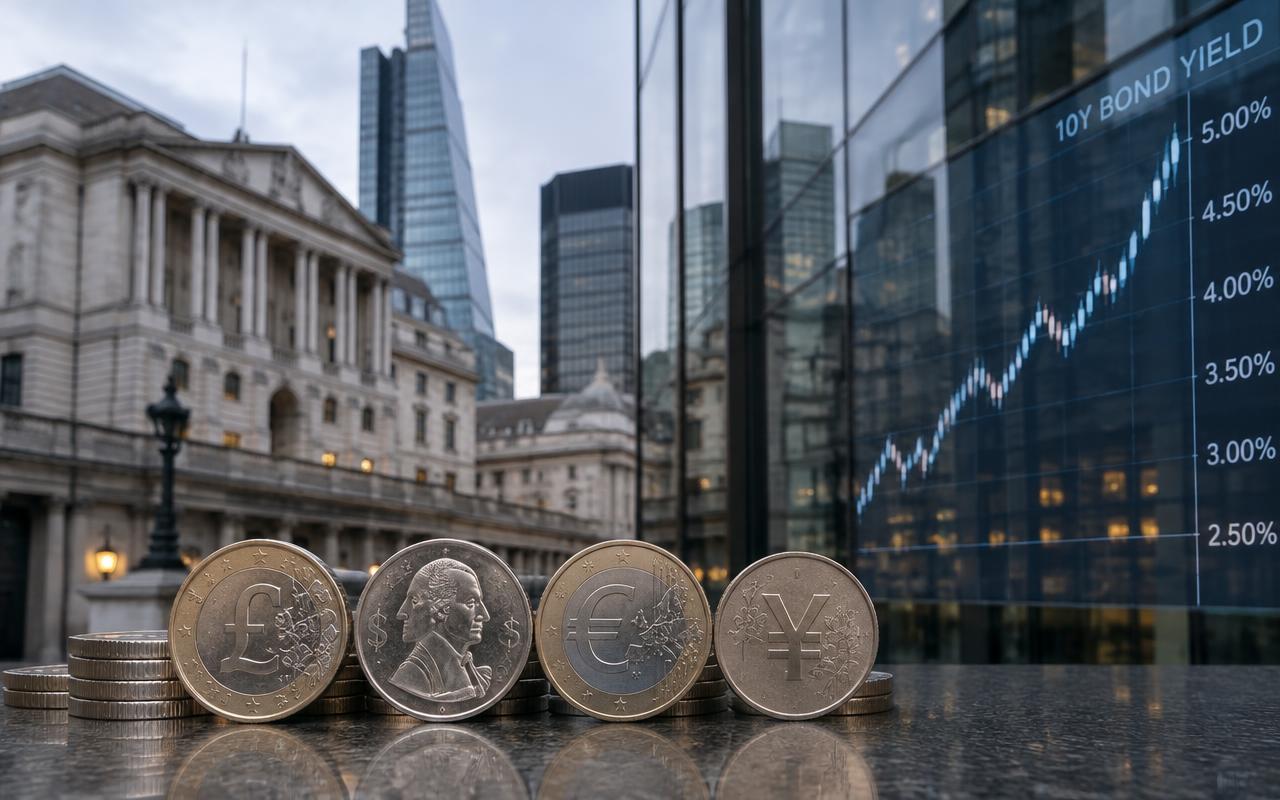
Global interest rates move higher as energy pressure complicates inflation fight
The US Federal Reserve stands at 3.75–4.00%, the Bank of Japan has raised rates to 1.25%, the Bank of England held at 3.75% by 6–3 and the ECB remains on a tightening path.
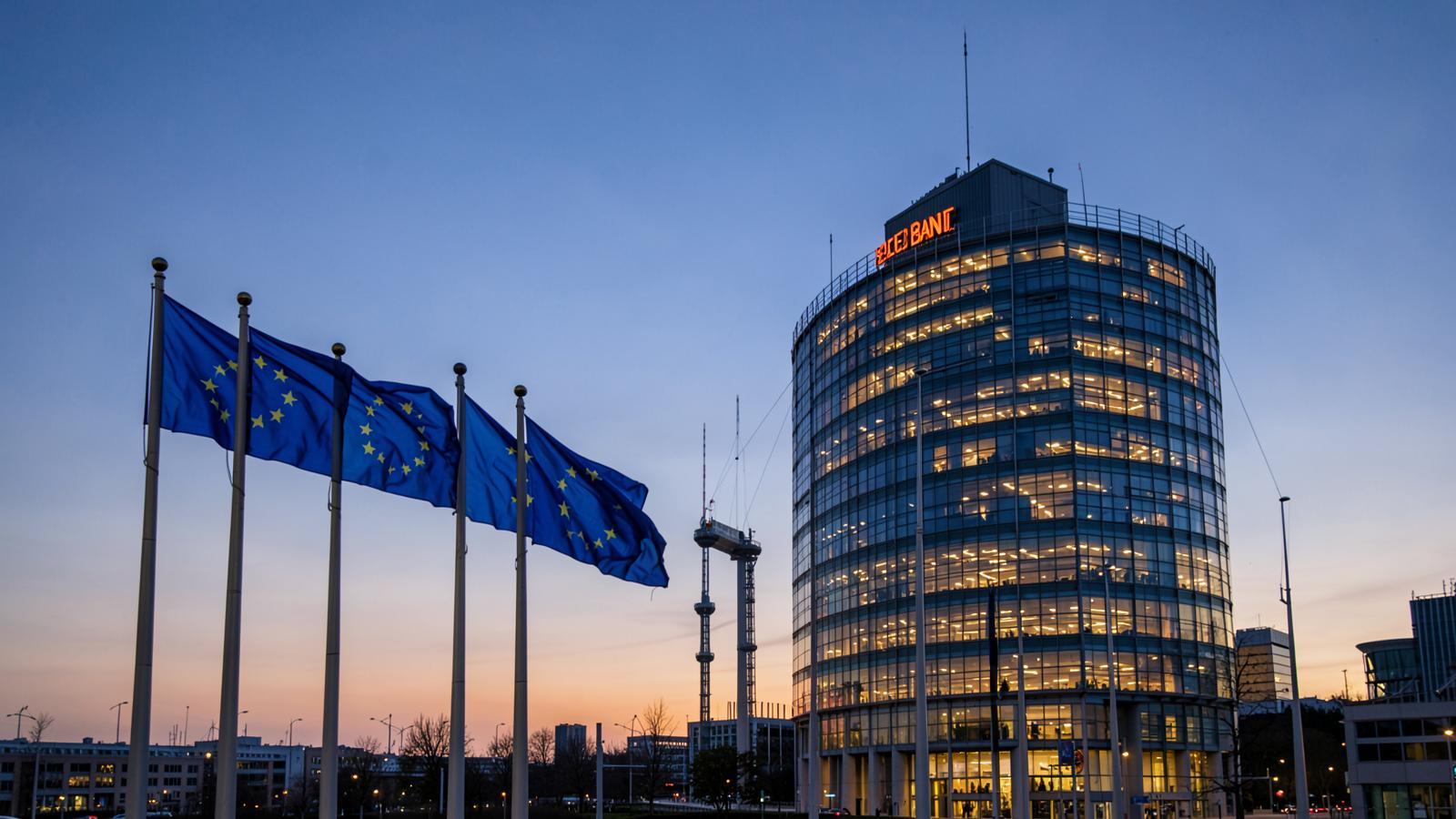
ECB raises interest rates to 2.5% as energy shock revives inflation fears
The European Central Bank lifted its deposit rate by a quarter point, citing renewed energy costs feeding through to core prices across the euro area.
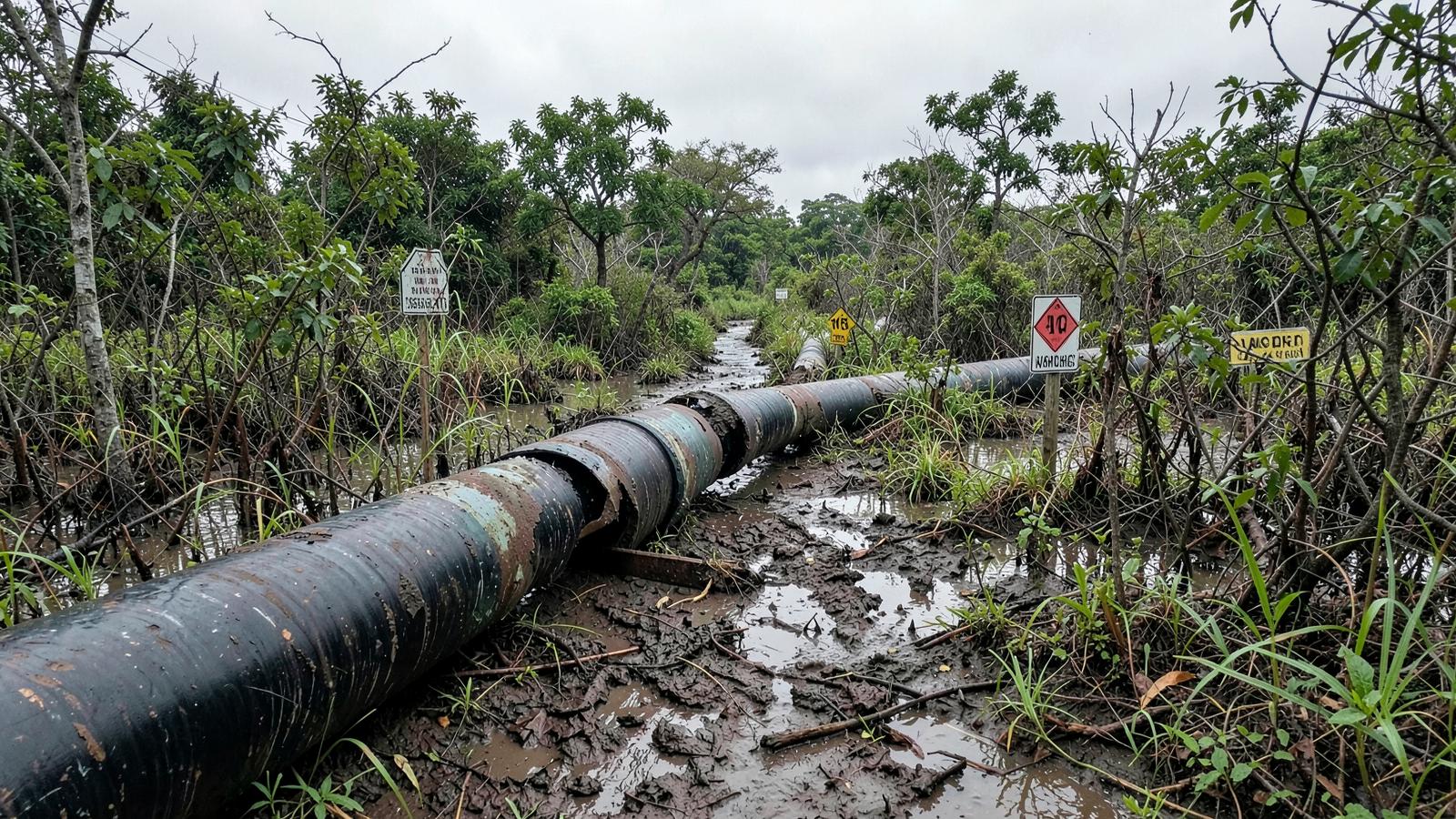
At Least 37 Dead in Nigeria Pipeline Tragedy After Victims Inhale Toxic Fumes
Victims died after inhaling toxic fumes while attempting to tap an oil pipeline in Rivers State, a community group says.