MPs reject assisted dying bill by 286 to 270
The Commons voted 286 against and 270 in favour, leaving the existing prohibition in England and Wales unchanged.
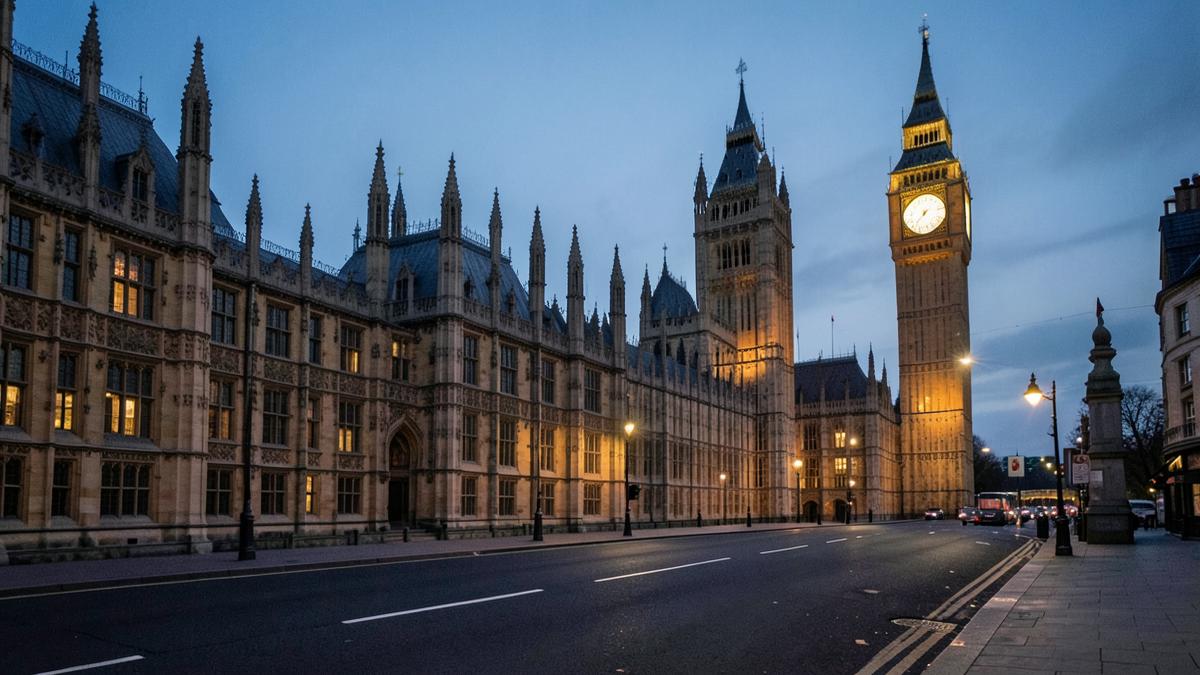
LONDON — MPs have narrowly rejected another attempt to legalise assisted dying in England and Wales, leaving the existing prohibition unchanged and bringing the current legislative effort to an end.
The House of Commons voted 286 against and 270 in favour of the proposal. It would have allowed mentally competent adults diagnosed with a terminal illness and expected to have six months or less to live to seek medical assistance to end their lives, subject to approval by a professional panel.
The legislation was brought forward by Labour MP Lauren Edwards as a Private Member's Bill. It closely followed a previous version that had progressed through the Commons but ultimately ran out of parliamentary time in the House of Lords.
Prime Minister Andy Burnham's government remained formally neutral, allowing MPs to vote according to their consciences. Burnham abstained, arguing that palliative and adult social care needed substantial improvement before Parliament made such a fundamental change to the law.
Supporters argue that terminally ill adults suffering intolerably should have greater control over the manner and timing of their deaths. Campaign organisation Dignity in Dying expressed disappointment but said the campaign for legislative change would continue.
Opponents focus on a different ethical danger: the possibility that elderly, disabled or vulnerable people might feel pressure — explicit or implicit — to choose death because they believe themselves to be a burden. Care Not Killing welcomed the defeat on those grounds.
The vote demonstrates how closely divided Parliament remains. Public polling has shown substantial support for assisted dying in principle, but support frequently depends on the safeguards proposed and on confidence in Britain's palliative-care system.
For now, the legal position remains unchanged.
Corrections & updates
- Story updatedSep 11, 2026, 3:11 PM
- Story published
Verified against the sources cited in this report.
Sep 11, 2026, 2:34 PM
Related stories
English mayors to receive powers to impose overnight visitor levy
The levy will be charged as a percentage of accommodation cost, with local authorities deciding whether to introduce it.

RNLI reviews security after volunteers targeted during migrant-related protests
Volunteers faced online abuse and threats after an operation near Portsmouth, with some photographs circulated alongside false accusations.

MI5 chief warns: the next major security shock may come from somewhere we are not watching
On the 25th anniversary of 9/11, Ken McCallum says agencies must adapt rather than assume future adversaries repeat past methods.