English mayors to receive powers to impose overnight visitor levy
The levy will be charged as a percentage of accommodation cost, with local authorities deciding whether to introduce it.
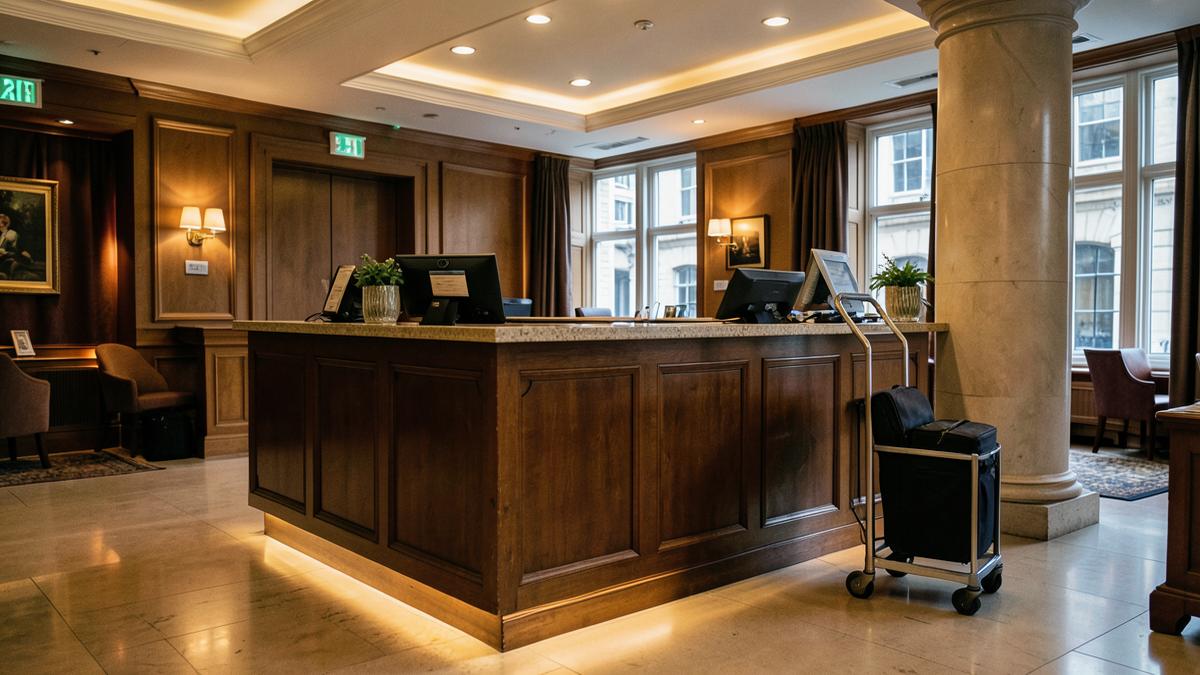
LONDON/MANCHESTER — Mayors and other strategic local authorities in England are to receive new powers to introduce an overnight visitor levy, opening the way for tourist taxes on hotel, guesthouse and other paid accommodation.
The government says the levy will be charged as a percentage of accommodation cost rather than a flat nightly amount, meaning a budget hotel would generate a smaller charge than an expensive luxury stay. Local authorities will decide whether to introduce the measure after consultation and how revenue should be invested locally.
Housing, Communities and Local Government Secretary Angela Rayner said the policy is intended to move financial power away from Westminster and allow communities receiving large numbers of visitors to reinvest tourist revenue in public transport, high streets, events, infrastructure and attractions.
The hospitality sector has reacted sharply.
UKHospitality chief executive Allen Simpson warned that giving local leaders a sector-specific tax could encourage repeated increases and argued that British hotels, restaurants and related businesses already operate under heavy tax burdens.
Industry-commissioned research cited by UKHospitality estimates that a fully implemented 5% levy could reduce economic output by around £2.2 billion and cost approximately 33,000 jobs by 2030. Those are industry projections, not government forecasts.
Government guidance currently does not impose a single national rate cap. However, local leaders will be expected to consult their communities and set out how revenues would be spent. Spending plans are expected by March 2028.
Tourism levies are not unusual internationally, and Edinburgh already introduced a 5% charge earlier this year. The dispute in England is therefore less about whether such taxes exist elsewhere than about whether Britain's already pressured hospitality sector can absorb another charge without losing competitiveness.
Corrections & updates
- Story updatedSep 11, 2026, 3:11 PM
- Story published
Verified against the sources cited in this report.
Sep 11, 2026, 2:42 PM
Related stories

RNLI reviews security after volunteers targeted during migrant-related protests
Volunteers faced online abuse and threats after an operation near Portsmouth, with some photographs circulated alongside false accusations.
MPs reject assisted dying bill by 286 to 270
The Commons voted 286 against and 270 in favour, leaving the existing prohibition in England and Wales unchanged.

MI5 chief warns: the next major security shock may come from somewhere we are not watching
On the 25th anniversary of 9/11, Ken McCallum says agencies must adapt rather than assume future adversaries repeat past methods.