Hormuz traffic falls to seven vessels as oil remains above $100
Only seven transits were recorded on Thursday. Brent traded around $104.18 on Friday morning, heading for a weekly gain of more than 8%.

LONDON — Traffic through the Strait of Hormuz has fallen to only seven vessels as attacks across Middle Eastern shipping routes continue to squeeze energy supplies and keep global oil prices above $100 a barrel.
Preliminary ship-tracking data showed seven vessel transits on Thursday, down from 11 a day earlier and far below a recent 10-day average of 15. Before the Iran war began, the waterway typically handled around 125 commodity vessels and roughly one-fifth of global daily oil and liquefied-natural-gas supplies.
Brent crude was trading around $104.18 a barrel at 11:32 GMT on Friday, down more than 3% on the day but still heading toward a weekly gain of more than 8%. US West Texas Intermediate was around $99.52. Prices eased after reports that regional foreign ministers were considering a temporary arrangement with Iran over Hormuz shipping, although Reuters said it had not independently verified that diplomatic report.
The supply picture is becoming increasingly difficult. Iran said it had attacked 10 ships near Hormuz on Wednesday after the United States struck five Iranian oil tankers, while Tehran's Revolutionary Guards warned that it would intensify its response to further attacks.
At the same time, Houthi advances around Bab el-Mandeb are threatening an alternative Red Sea route increasingly important to Gulf producers trying to bypass Hormuz.
The International Energy Agency has substantially worsened its outlook. It now expects global oil supply to decline by 5.7 million barrels per day in 2026, compared with a previous forecast of around 4%, as normal Gulf flows are pushed further into the future. Saudi supply alone fell to around 6 million bpd in August.
Consumers are already feeling the consequences. The US national average diesel price exceeded $6 per gallon for the first time, according to GasBuddy figures cited by Reuters. Diesel markets are particularly vulnerable because Middle East disruptions are combining with Ukrainian attacks on Russian refinery capacity.
So although crude prices have retreated from this week's peaks, there is little evidence yet that the underlying shipping crisis has been solved.
Berean News Priority: URGENT
Corrections & updates
- Marked as a developing story
This report is being updated as verified information arrives.
Sep 11, 2026, 12:22 PM - Story published
Verified against the sources cited in this report.
Sep 11, 2026, 11:35 AM
Related stories
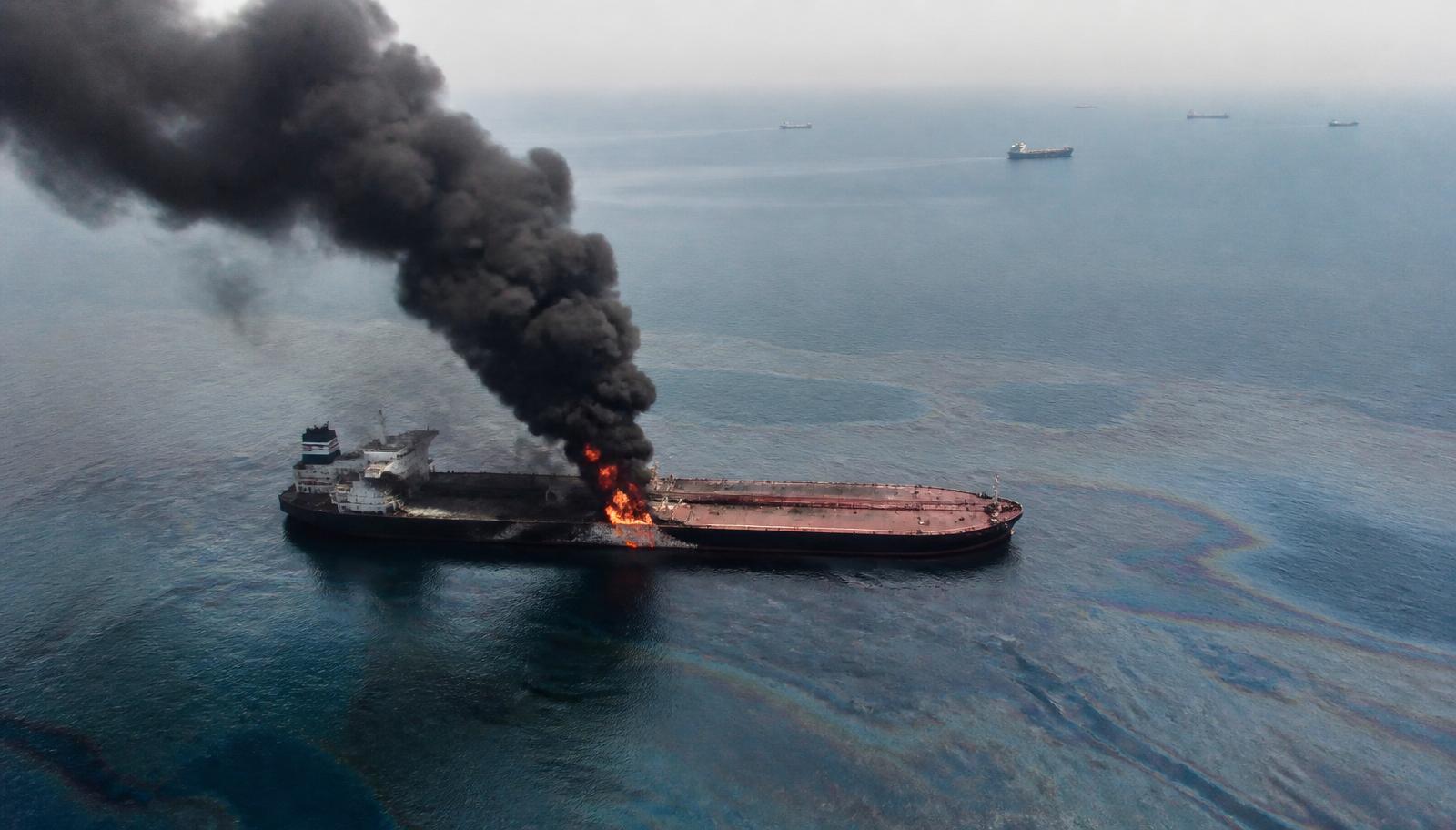
Hormuz Crisis Deepens: Oil Prices Climb as Gulf Slicks Raise Environmental Alarm
Tanker attacks, severely disrupted shipping and US–Iran confrontation are now being accompanied by mounting evidence of environmental damage across Gulf waters.

Houthis seize Perim Island and Dhubab as Bab el-Mandeb crisis escalates
Yemen's Iran-aligned Houthi movement has seized the strategically important Perim Island and the mainland town of Dhubab at the southern entrance to the Red Sea.
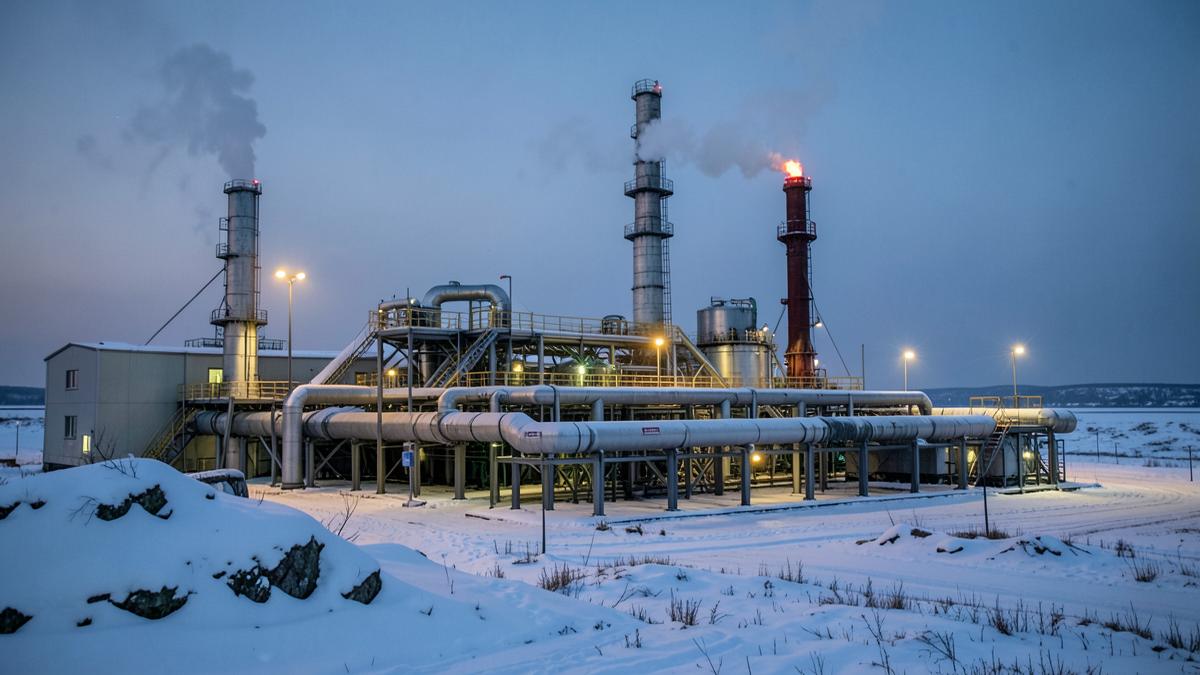
Ukraine's long-range drones reach Russia's Arctic gas heartland
Ukrainian special forces say they struck two gas-condensate facilities in Yamal-Nenets, around 3,000km away. Russian authorities confirmed a fire at Novy Urengoy but not every element of Kyiv's account.