Himalayan Disaster Worsens: More Than 360 Dead, 1,400 Missing as Search Intensifies
Nepal reports 359 deaths and three more are confirmed in Tibet, with around 1,400 people still missing — among them foreign trekkers and pilgrims — as rescuers battle destroyed roads and unstable ground.
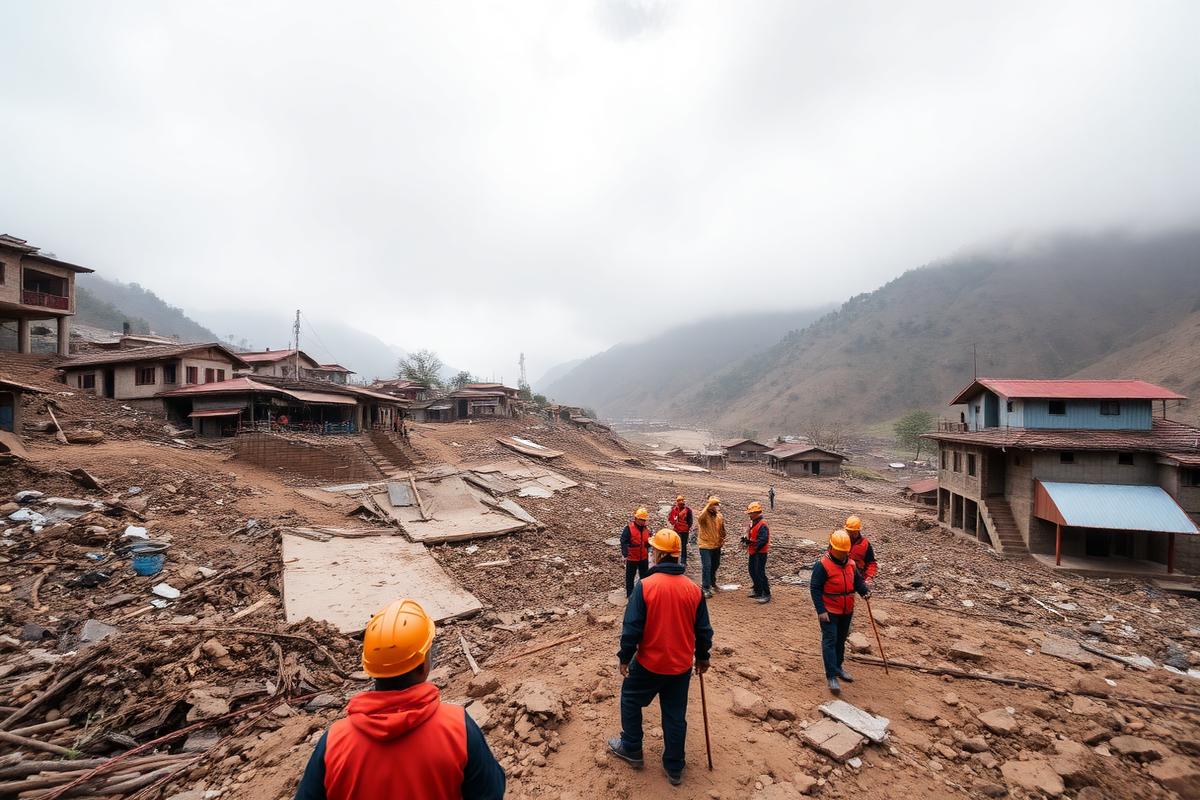
The scale of the Himalayan flood catastrophe has continued to grow, with more than 360 people confirmed dead and around 1,400 still missing across Nepal and China's Tibet region as rescuers race to reach communities devastated by a sudden torrent of water, mud and debris.
Nepalese authorities reported 359 deaths, while three deaths were reported in Tibet. Hundreds more people have been displaced as the disaster destroyed buildings, roads and bridges across the mountainous border region.
The flooding followed a catastrophic collapse high in the Himalayas on Wednesday. Satellite analysis and reporting indicate that a glacier or ice-rock collapse generated the destructive surge that travelled down valleys with extraordinary force.
The disaster has an important international dimension. Foreign tourists and pilgrims are among those missing, many of whom had travelled to the Himalayan region for trekking or religious pilgrimage.
The area around Mount Kailash and Lake Mansarovar carries deep religious significance for Hindus, Buddhists, Jains and followers of the Bon tradition. The catastrophe has therefore affected not only local communities but families across numerous countries waiting for information about relatives.
Rescue operations are continuing under exceptionally difficult conditions. Mountainous terrain, destroyed roads, unstable ground and damaged communications have complicated attempts to reach isolated communities.
The immediate priority remains finding survivors and providing food, shelter, medical treatment and clean water to those displaced.
Scientists and governments will also face longer-term questions about the growing danger posed by unstable glaciers and ice-rock formations across a warming Himalayan region. But establishing precisely how climate change contributed to this individual disaster will require detailed scientific investigation.
For now, the human emergency is overwhelming: hundreds dead, more than a thousand missing and entire communities facing the enormous task of rebuilding.
Source: Associated Press; Nepalese and Chinese authorities, 27 August 2026.
Corrections & updates
- Marked as a developing story
This report is being updated as verified information arrives.
Aug 27, 2026, 5:57 PM - Story published
Verified against the sources cited in this report.
Aug 27, 2026, 4:45 PM
Related stories

Pope Leo Prays for Himalayan Flood Victims as Disaster Strikes Sacred Pilgrimage Region
A telegram conveyed through Cardinal Pietro Parolin expressed the Pope's sorrow for the dead, the missing and the rescuers working in extreme conditions.

Europe's Heatwave Losses Expose a Widening Insurance Gap
Insurers warn that a growing share of climate-driven damage is uninsured, leaving households and public budgets to absorb the cost.
Britain Releases £65 Million as Drought Threatens Farmers and Food Security
Emergency support follows exceptionally dry weather that has damaged crops, strained water supplies and put Britain's cereal harvest on course for a poor year.