Firefighters Race to Contain France and Spain Wildfires Before New Heatwave
Some residents have been permitted to return home, but authorities warn that higher temperatures, low humidity and dry vegetation could cause controlled fire fronts to become dangerous again.
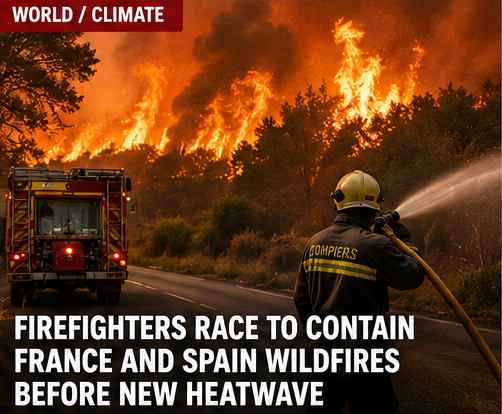
BORDEAUX — Firefighters in France and Spain are racing to secure containment lines before another heatwave brings conditions capable of intensifying some of Europe's most destructive wildfires in recent history.
Fire crews benefited from temporarily more favourable conditions, and several French fires were stabilised overnight. However, further evacuations were ordered from tourist locations on the Atlantic coast as officials warned that rising temperatures could reactivate fires that had stopped advancing.
More than 220,000 people have been evacuated in France during the emergency, particularly in and around the Gironde region. Around 4,000 additional people were removed from vulnerable tourist areas near the Atlantic coast as a precaution.
The Gironde fire has burned approximately 420 square kilometres. Although parts of the fire perimeter have been stabilised, officials have stressed that the blaze is not fully extinguished and remains vulnerable to stronger wind, falling humidity and extreme heat.
At least 93 firefighters have been injured during the French response. Crews have built more than 100 kilometres of firebreaks while aircraft, ground teams and support from other European countries continue to protect communities and critical infrastructure.
In Spain, residents of nine towns in Toledo were allowed to return home as conditions improved, but fires remained active around Madrid, Avila and Toledo. Approximately 79,000 people have been evacuated during the wider Spanish emergency, while many others have been instructed to remain inside or shelter in safer locations.
Wildfires have burned roughly 1,530 square kilometres in Spain, including an Avila fire described as the largest in the country's recorded history. Agriculture, tourism, transport and local businesses have all been affected.
Forecasters expect the latest heatwave to peak on Wednesday, with temperatures potentially reaching approximately 38C in Paris and 37C in Madrid. High temperatures increase the risk of new ignition and make firefighting more physically demanding.
Human-caused climate change is increasing the frequency and intensity of severe heatwaves and creating hotter, drier conditions in which wildfires can spread more rapidly. The precise ignition source of an individual fire may still involve accidents, negligence, deliberate action or lightning.
Residents returning home should follow local instructions because burnt areas may remain dangerous. Damaged electricity networks, weakened buildings, unstable trees and pockets of smouldering vegetation can continue posing risks after visible flames have disappeared.
Corrections & updates
- Marked as a developing story
This report is being updated as verified information arrives.
Jul 28, 2026, 11:30 AM - Story published
Verified against the sources cited in this report.
Jul 28, 2026, 11:18 AM
Related stories
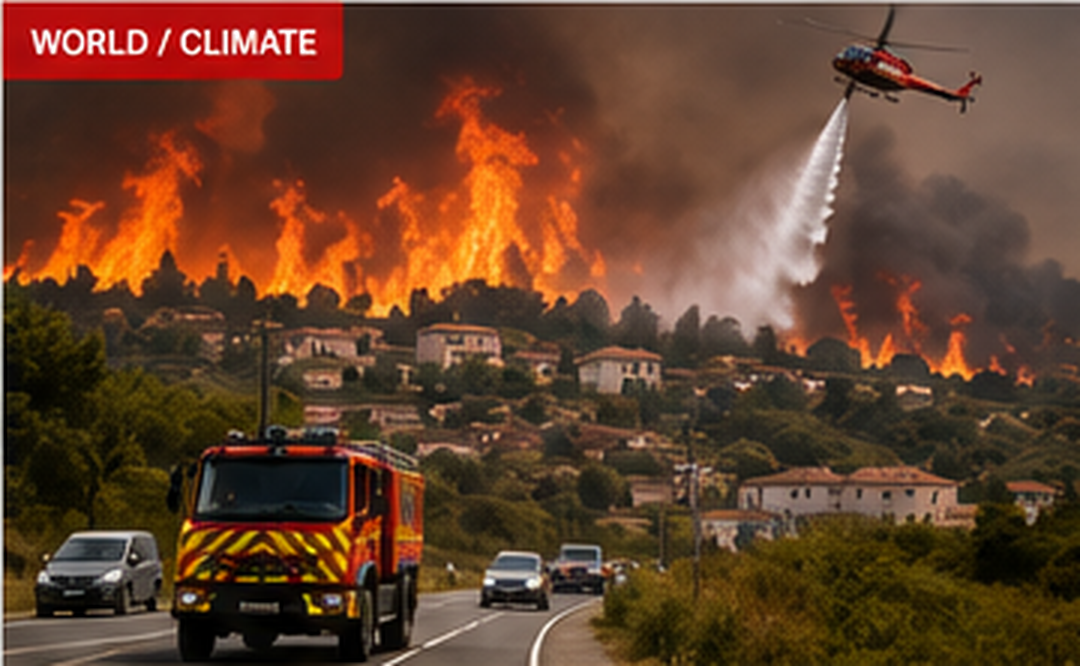
More Than 300,000 Evacuated as Wildfires Spread Across France and Spain
Severe wildfires driven by extreme heat, prolonged drought and unpredictable winds have forced mass evacuations, destroyed homes and stretched emergency services across southwestern France and several regions of Spain.
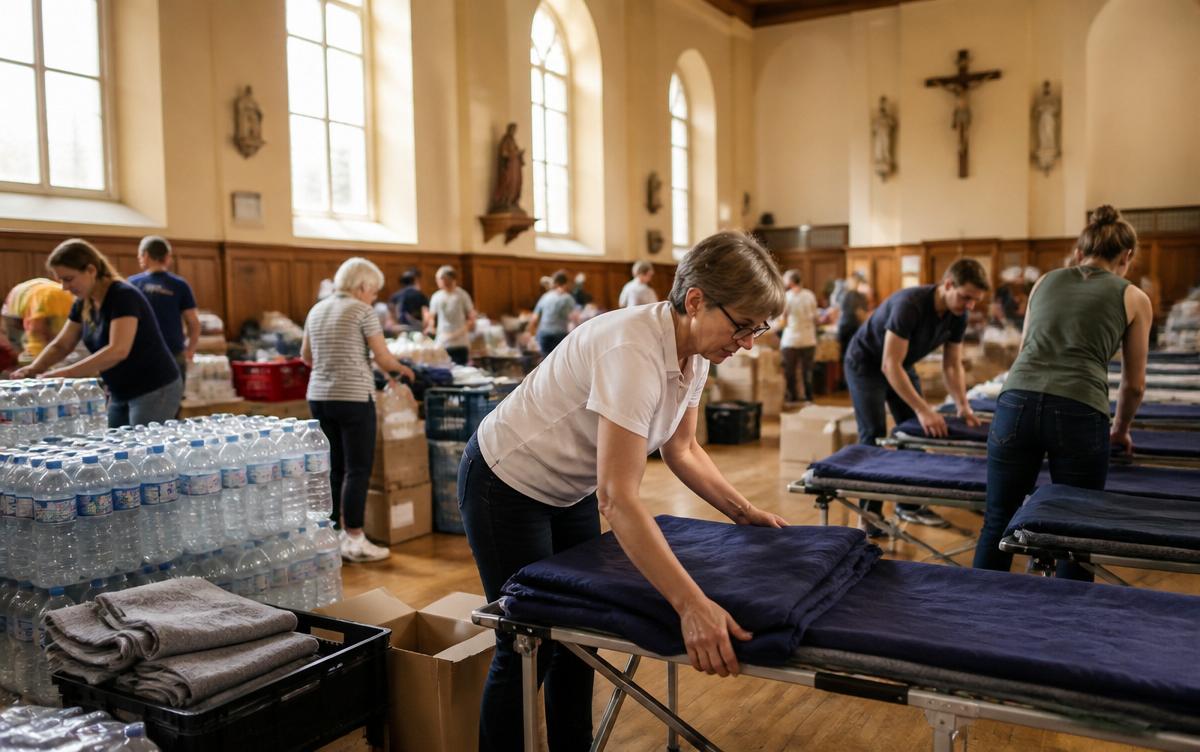
French Bishops Urge Churches to Support Families Displaced by Wildfires
Pope Leo XIV has expressed solidarity with people affected by wildfires in France and Spain, while French Catholic leaders have encouraged parishes to offer practical support and temporary refuge.
Europe's Heatwave Losses Expose a Widening Insurance Gap
Insurers warn that a growing share of climate-driven damage is uninsured, leaving households and public budgets to absorb the cost.