Faith Communities Can Strengthen Public-Health Resilience, WHO Says
Trusted religious leaders and faith-based organisations can support accurate health communication, emergency preparedness and vulnerable communities without replacing professional healthcare services.
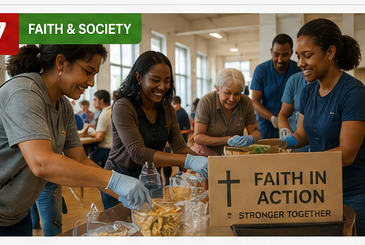
GENEVA — Faith communities can play an important role in public-health preparedness and emergency response by sharing reliable information, supporting vulnerable residents and strengthening trust between institutions and local communities.
The World Health Organization says religious leaders, faith-based organisations and faith communities have historically contributed to healthcare, emergency preparedness and community support. Their established local relationships can help public-health agencies reach people who may not engage readily with formal institutions.
WHO formalised its Faith Network in 2022 with more than 50 partners representing different religions, service providers, faith leaders, academic institutions and faith-based organisations. The network is intended to improve access to accurate information and encourage collaboration on emergency preparedness and the relationship between faith and public health.
During emergencies, trusted community leaders can help explain official guidance, challenge harmful misinformation, identify people who require additional support and provide spiritual and emotional care.
The role is particularly relevant during extreme-weather events and large gatherings. WHO has warned that religious pilgrimages, festivals, elections and sporting events can increase exposure to heat-related illness because of crowd density, physical exertion and prolonged time outdoors.
Faith organisations hosting large events can contribute by preparing heat-health plans, providing drinking water and shaded rest areas, training volunteers, identifying vulnerable attendees and maintaining communication with health and emergency services.
Churches, mosques, temples and other community organisations may also support vaccination awareness, mental-wellbeing initiatives, safeguarding, food distribution and emergency shelter. Such work should be coordinated with qualified professionals and relevant statutory services.
Faith communities should complement rather than replace medical and public-health systems. Health advice must remain evidence-based, and individuals experiencing illness should be directed to appropriate professional care.
WHO also emphasises that communities should be treated as active partners rather than passive recipients of official instructions. Preparedness works best when local priorities, experiences and concerns shape planning and implementation.
The strongest partnerships combine the technical knowledge of health authorities with the trust, local presence and service networks of faith communities. When properly governed, these relationships can improve communication, social cohesion and protection during periods of crisis.
Corrections & updates
- Story updatedAug 27, 2026, 1:52 PM
- Story published
Verified against the sources cited in this report.
Jul 24, 2026, 6:30 AM
Related stories

Children exposed to 9/11 to receive major long-term health study
United States health authorities have funded a multi-year study of people who were children in lower Manhattan in 2001, twenty-five years on.
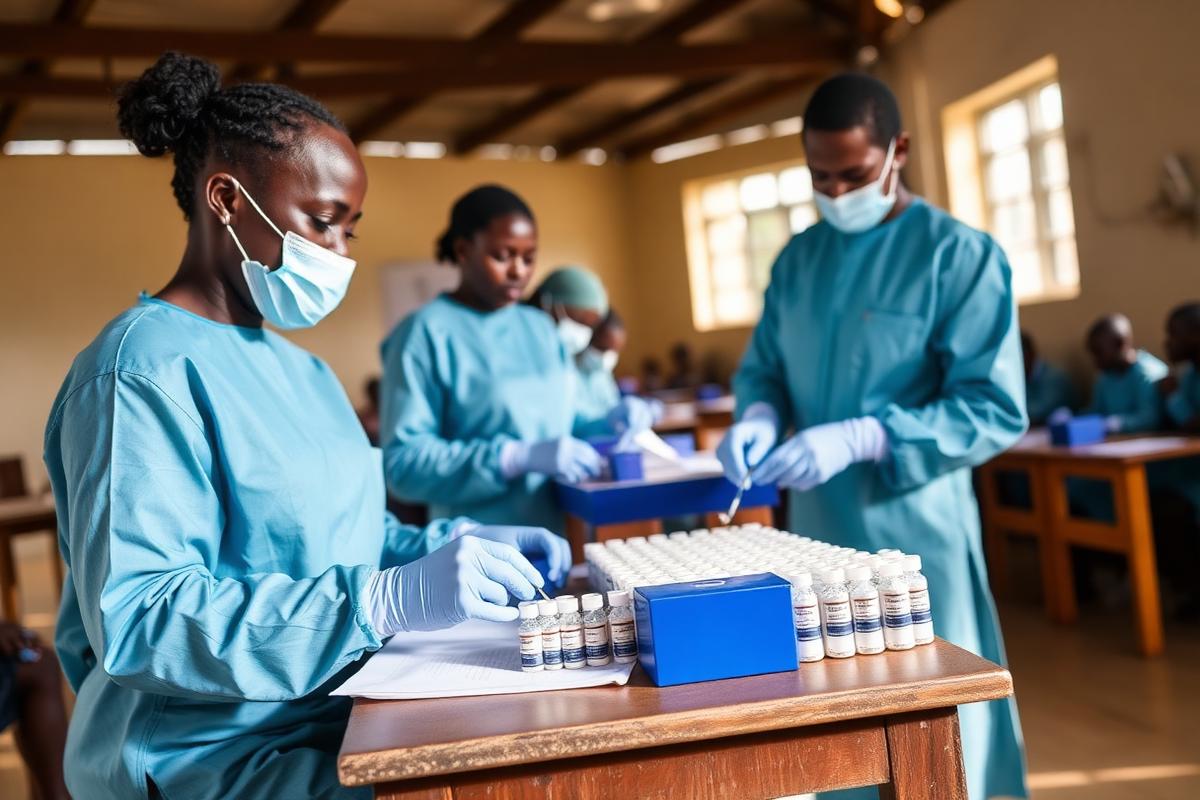
Africa Adopts 10-Year Plan to Protect Hard-Won Polio Gains
Health ministers approved the framework at the 76th WHO Regional Committee for Africa in Addis Ababa, focusing on surveillance, immunity and outbreak response.
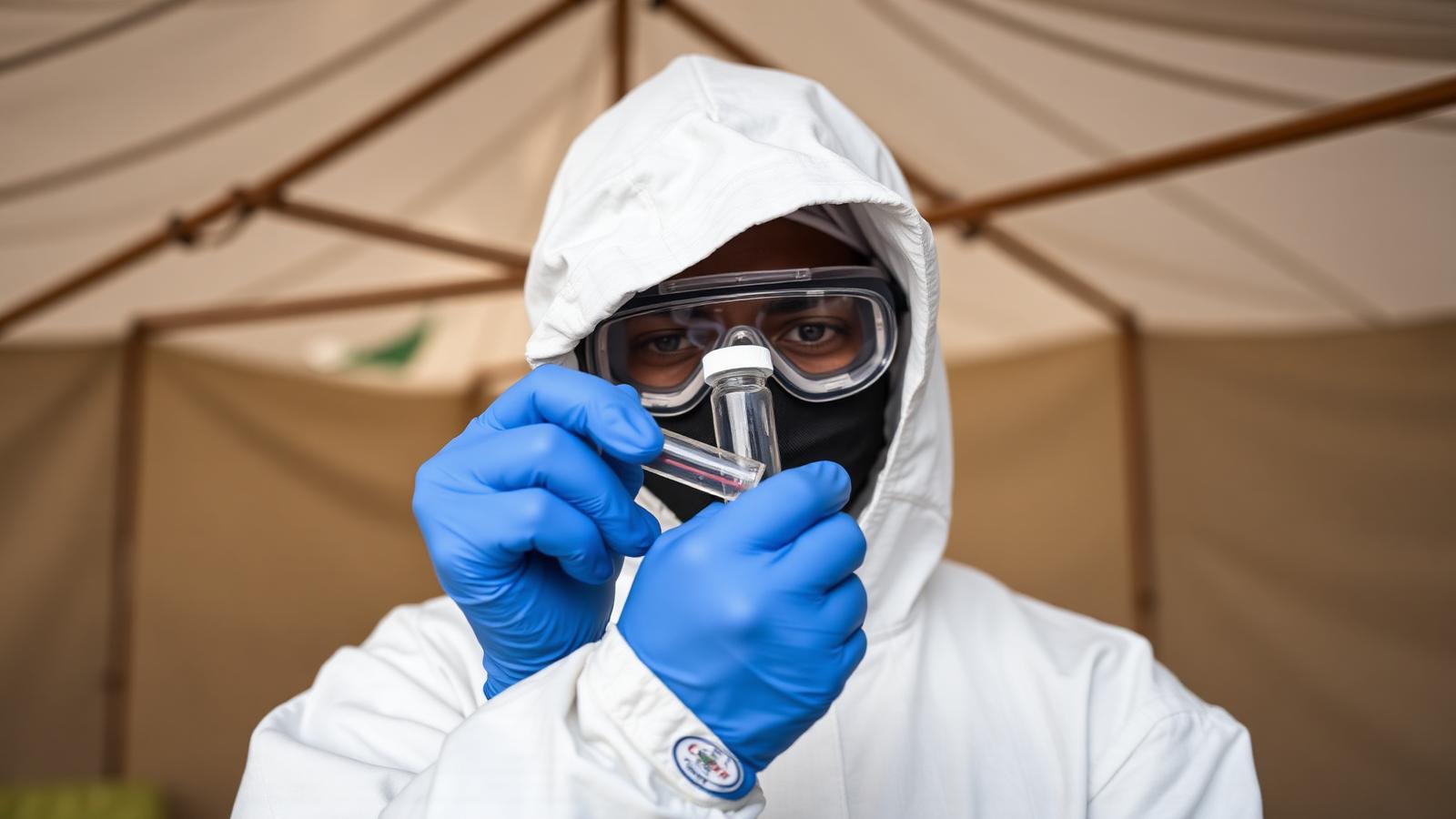
Uganda Declares Ebola Outbreak Over — But Danger Remains Across the Border
Uganda has completed 42 days without a confirmed case of Bundibugyo virus disease. Across the border, Congo is fighting the largest Ebola outbreak in its history.