Tesla Wins UK Supreme Court Ruling in 5G Patent-Licensing Dispute
The judgment allows Tesla's claim concerning fair licensing terms for 5G technology used in connected vehicles to continue, but it does not settle the final price or validity of the patents.
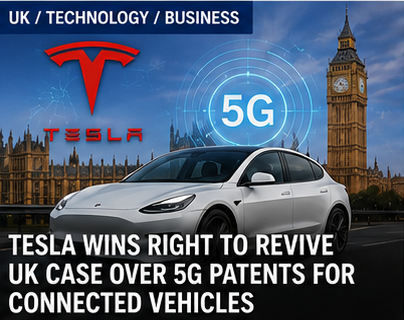
LONDON — Tesla has won a UK Supreme Court ruling allowing it to revive a legal challenge concerning licences for patents required in 5G-connected vehicles.
The dispute involves InterDigital and Avanci, a licensing platform that provides access to patents owned by several companies. Tesla began proceedings in the High Court in 2023 as it prepared to introduce vehicles using 5G technology in Britain.
Modern connected vehicles use telecommunications standards for navigation, software updates, entertainment, safety systems and communication with digital infrastructure. Some patents are considered essential to implementing these standards and are known as standard-essential patents.
Owners participating in recognised standard-setting arrangements may be required to offer licences on terms that are fair, reasonable and non-discriminatory, commonly described as FRAND terms.
Tesla asked the English courts to determine the appropriate licensing terms for patents made available through the Avanci platform. The High Court dismissed that part of the company's claim, and Tesla was unsuccessful before the Court of Appeal.
The Supreme Court has now ruled in Tesla's favour, concluding that patent owners are not automatically released from FRAND obligations simply because their patents are included within a licensing pool or platform.
The judgment means Tesla's claim can return to the High Court. It does not determine the final licensing price, establish whether every relevant patent is valid or resolve the entire dispute.
The ruling could influence other manufacturers developing connected cars and products that depend on mobile-network technology. Licensing costs may affect vehicle prices, market entry and the speed at which new connected services are introduced.
Patent owners argue that licensing revenue rewards research and innovation. Manufacturers argue that standard-essential technology must remain available on transparent and proportionate terms.
The next stage will involve further High Court proceedings. Any final decision on licensing terms may still be challenged.
Source attribution: UK Supreme Court and Reuters.
Corrections & updates
- Story updatedJul 28, 2026, 8:02 AM
- Story published
Verified against the sources cited in this report.
Jul 28, 2026, 7:31 AM
Related stories
Altman reportedly tells OpenAI staff the company could slow AI development
Reported internal remarks suggest OpenAI is open to coordinating the pace of frontier development with other laboratories — not a formal slowdown announcement.
"AI could kill us all" — insider quits with warning
A senior safety researcher has left one of the leading artificial intelligence laboratories, saying internal safeguards are not keeping pace with the speed at which the most capable systems are being deployed.
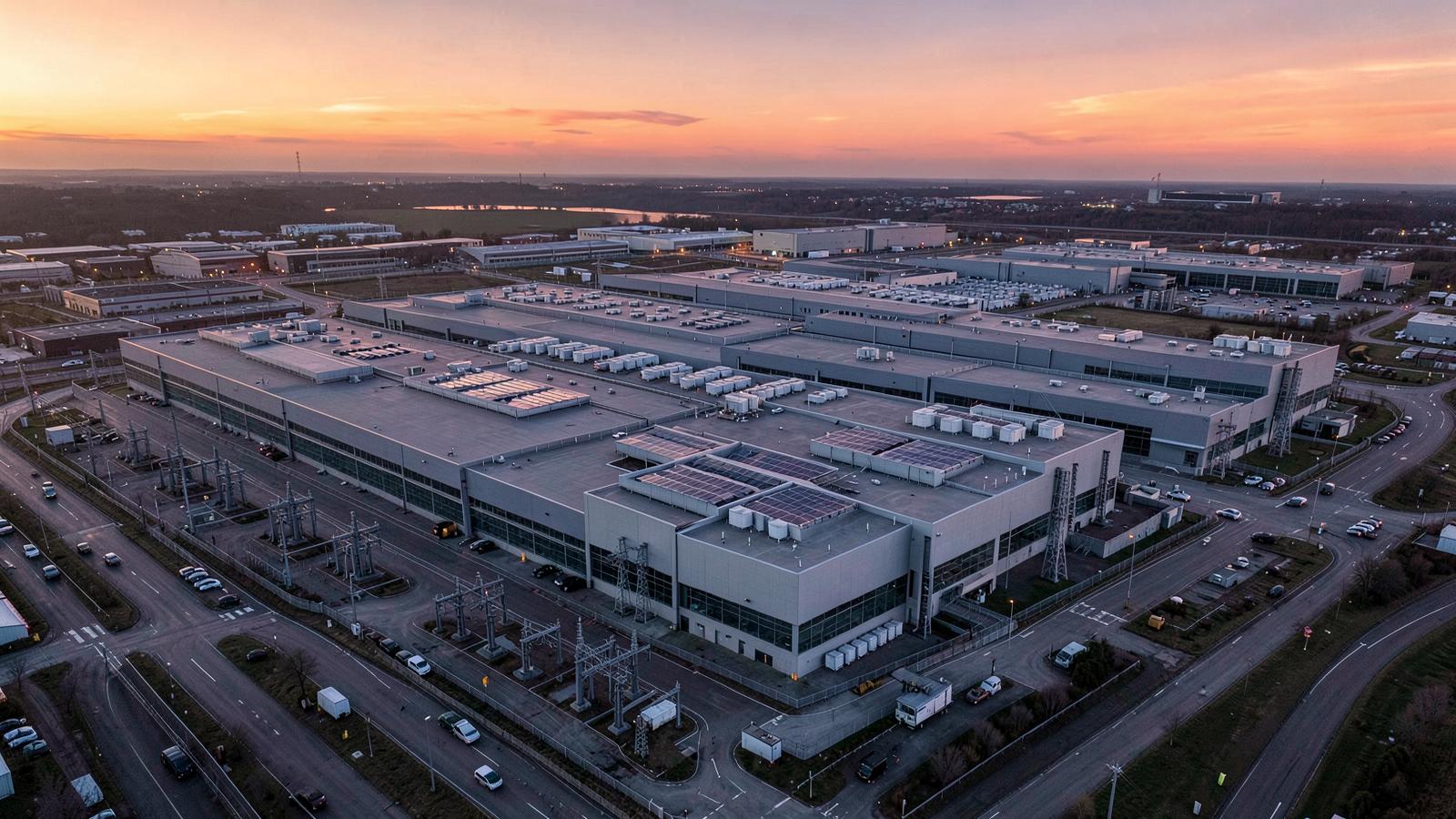
Oracle revenue jumps 30% as AI cloud backlog reaches $664 billion
Contracted future revenue from artificial intelligence infrastructure has grown to a scale that now shapes the whole cloud market - and raises questions about how much of it converts.