Tanzania's Ruling Party Picks Energy Minister as New Vice-Presidential Nominee
Chama Cha Mapinduzi has chosen Energy Minister Deogratius Ndejembi to succeed Emmanuel John Nchimbi, who is expected to leave office on 4 September.

Tanzania's ruling Chama Cha Mapinduzi has chosen Energy Minister Deogratius Ndejembi as its nominee to become the country's next vice president following the unexpected resignation of Emmanuel John Nchimbi.
CCM Secretary-General Asha-Rose Migiro announced the decision after the party's National Executive Committee selected Ndejembi.
Nchimbi is expected to leave office on 4 September, less than a year after assuming the vice presidency.
His resignation followed criticism within the governing party over remarks concerning Tanzania's constitution, which some party members regarded as unnecessary.
Because CCM remains the dominant force in Tanzanian politics, its nomination carries substantial political weight.
The transition also deserves attention because the vice presidency is one of the country's most important constitutional offices. A sudden change therefore affects both the internal balance of the governing party and the wider leadership structure of the state.
Ndejembi's nomination must proceed through Tanzania's constitutional process before the transition is complete.
Source: Chama Cha Mapinduzi; Reuters, 26–27 August 2026.
Corrections & updates
- Story updatedAug 27, 2026, 5:57 PM
- Story published
Verified against the sources cited in this report.
Aug 27, 2026, 4:30 PM
Related stories

US plans nearly $100 million Africell loan as technology rivalry with China moves deeper into Africa
Export-Import Bank financing would let Africa's only US-owned mobile operator buy American and allied network equipment.
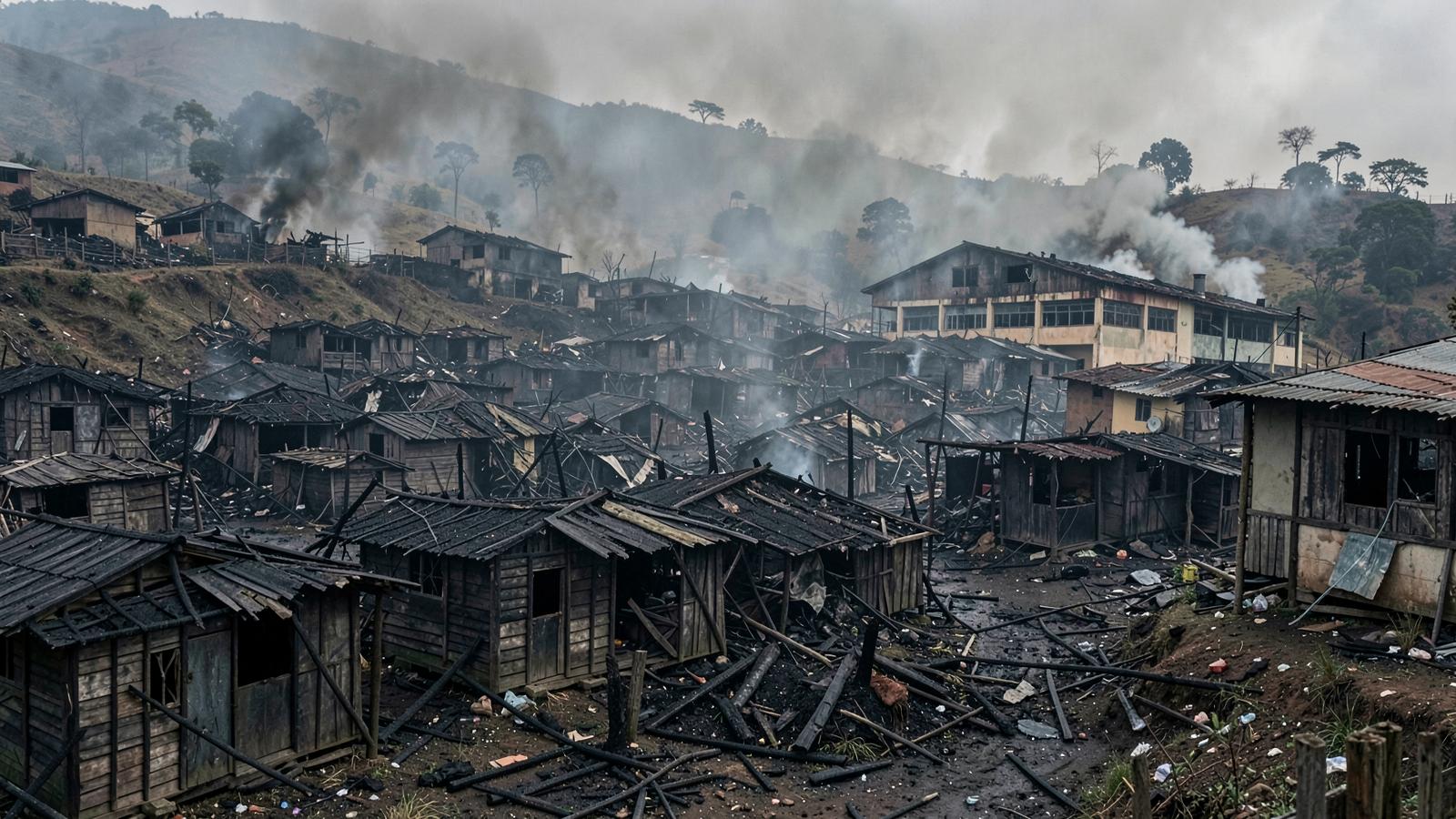
24 schoolchildren killed in eastern Congo fire
A night fire tore through a densely built district of Bukavu, in South Kivu, destroying a school and dozens of homes. Rescue work is continuing.
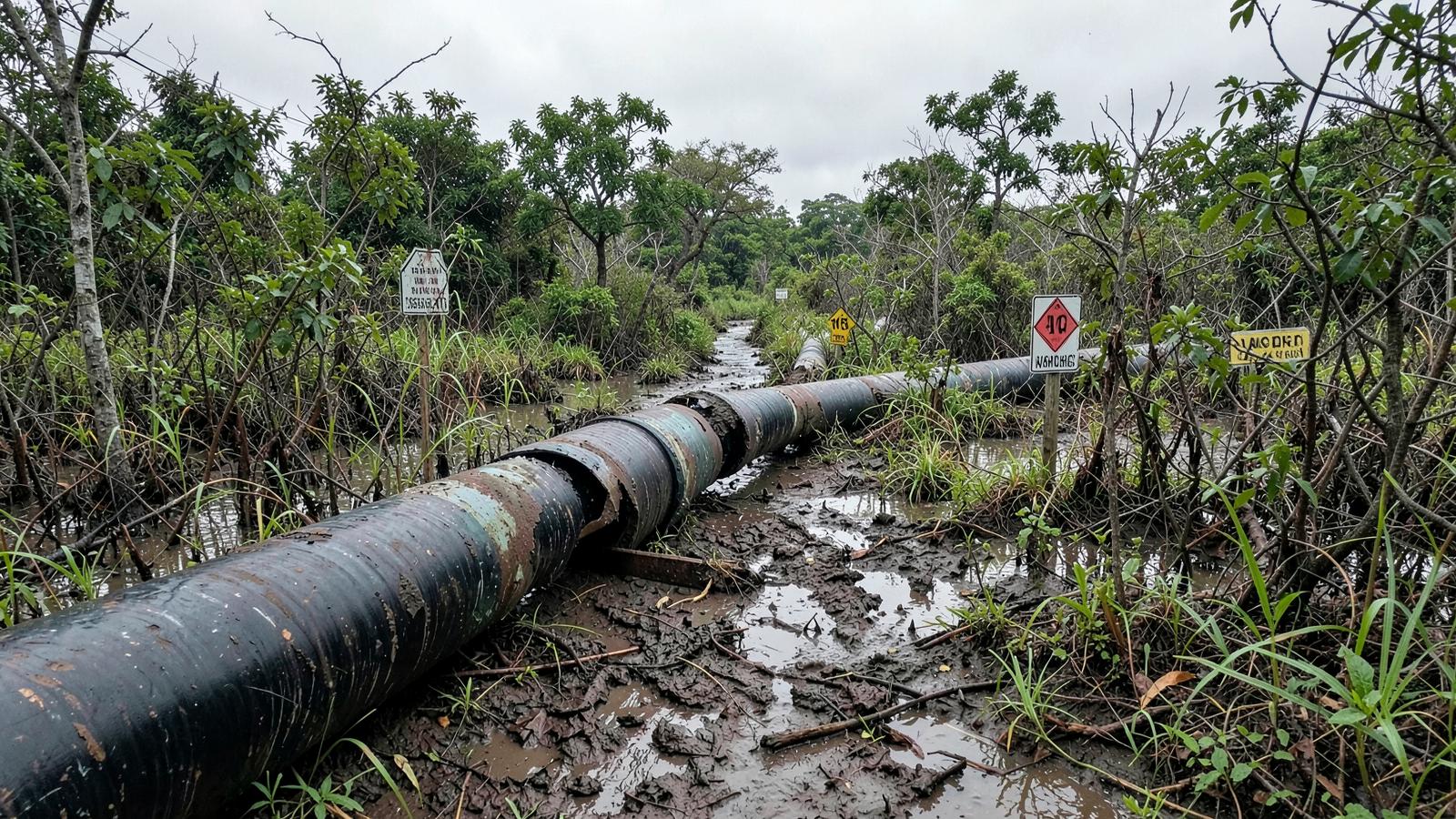
At Least 37 Dead in Nigeria Pipeline Tragedy After Victims Inhale Toxic Fumes
Victims died after inhaling toxic fumes while attempting to tap an oil pipeline in Rivers State, a community group says.