Pope Leo Calls for Immediate Return to Diplomacy in the Middle East
Pope Leo XIV has urged all parties to suspend attacks, reopen negotiations and pursue a political settlement based on equal dignity, equal rights and respect for religious holy sites.
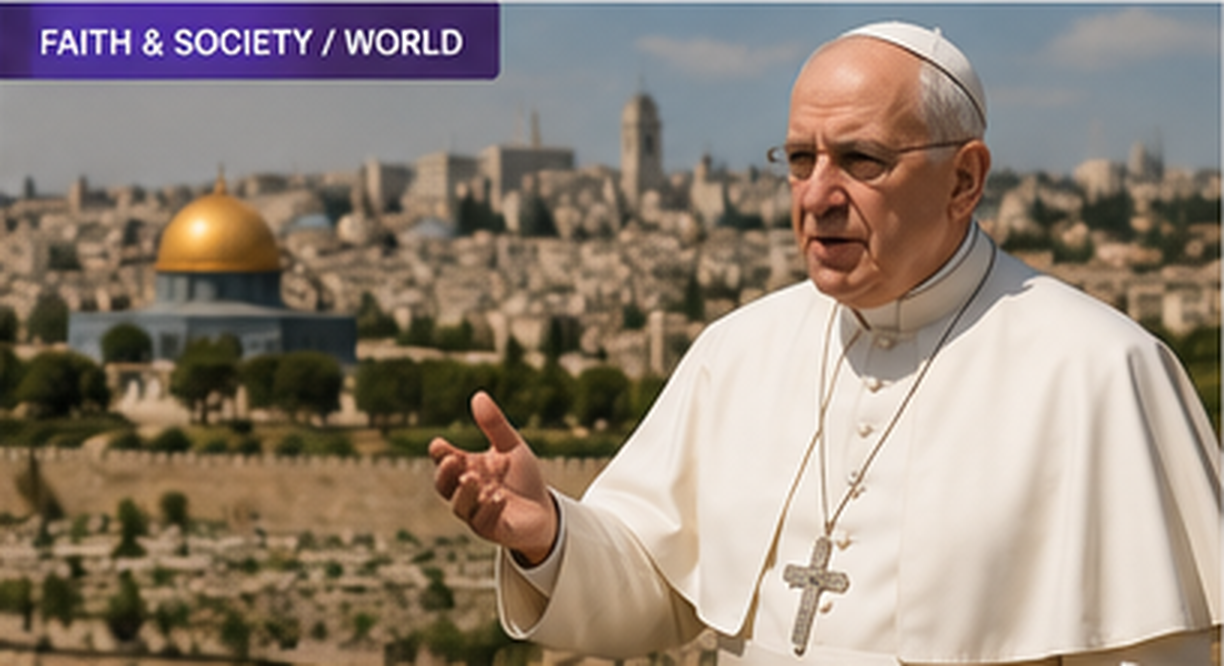
CASTEL GANDOLFO — Pope Leo XIV has renewed his appeal for diplomacy and an end to violence in the Holy Land and across the wider Middle East.
Speaking after the Sunday Angelus prayer at Castel Gandolfo, the Pope said he remained deeply concerned about escalating violence and the increasing number of civilian victims in Gaza and the West Bank.
He called for negotiations aimed at achieving a just political solution founded on the equal dignity and equal rights of every person.
The Pope also rejected further military action and unilateral decisions that undermine the recognised status of holy sites belonging to different religious traditions.
Jerusalem and other parts of the region contain locations considered sacred by Christians, Jews and Muslims. Disputes concerning access, administration and security around these sites can quickly intensify wider political and religious tensions.
Pope Leo extended his appeal beyond the Holy Land, warning that intensified military operations across the Middle East were placing countless civilians in grave danger.
He drew particular attention to shortages of drinking water and electricity, which can affect hospitals, food storage, sanitation, communications and ordinary family life.
The Pope urged all parties to suspend attacks and urgently reopen channels of dialogue and diplomacy. He said political and military leaders carried a responsibility to create the conditions necessary for reconciliation and peace.
His intervention did not provide a detailed diplomatic proposal or assign responsibility exclusively to one side. Instead, it emphasised civilian protection, equal human dignity and the need to replace military escalation with political negotiation.
Religious appeals cannot substitute for negotiations involving governments, political organisations and international mediators. They can, however, draw attention to humanitarian principles and reinforce the demand that civilian life should not be treated as secondary to military objectives.
The Pope also encouraged people to pray for communities affected by war around the world and for decision-makers whose choices could either deepen violence or support peace.
The immediate challenge is whether the parties and international actors can create sufficient space for credible negotiations. Continued escalation risks further civilian deaths, greater humanitarian deprivation and additional damage to the possibility of a lasting political settlement.
Corrections & updates
- Story updatedJul 26, 2026, 9:55 PM
- Story published
Verified against the sources cited in this report.
Jul 26, 2026, 6:50 PM
Related stories
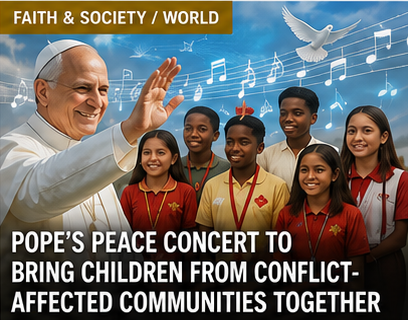
Pope's Peace Concert to Unite Children from Crisis-Affected Communities
Pope Leo XIV and Andrea Bocelli will join 164 children and young people from the Holy Land, Uganda, Haiti and Italy for a prayer and music gathering at Castel Gandolfo.
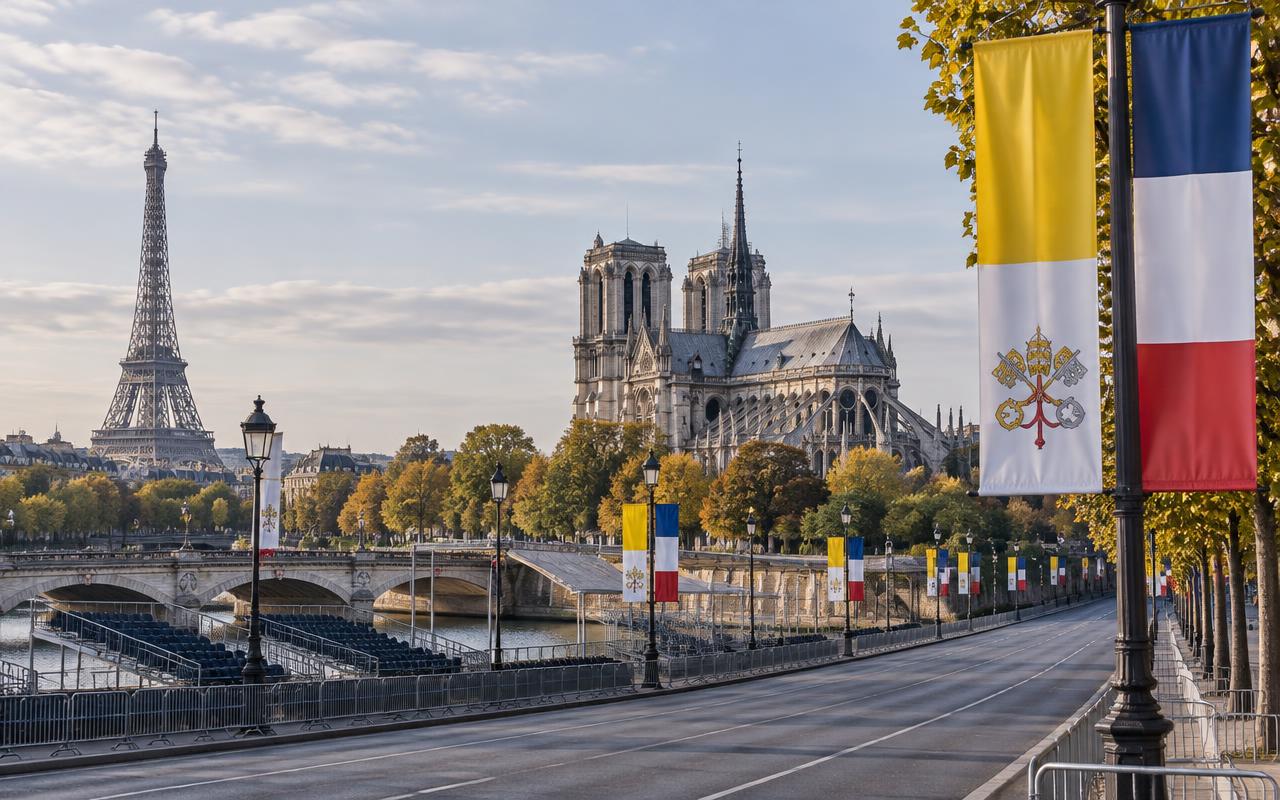
Pope Leo XIV prepares France visit from 25 to 28 September
The planned itinerary includes Paris, Saint-Denis, Lourdes and Metz, with a tribute to Robert Schuman.
Kushner to Meet Netanyahu After Rare Direct Meeting With Hamas Leader
Washington pushes a Gaza framework covering an end to hostilities, withdrawal, disarmament and reconstruction.