Hormuz Crisis Deepens as Shipping Slows and Oil Prices Rise
Only five commodity vessels crossed the Strait on Saturday and none on Sunday, tracking data shows, as Brent crude holds near the high $80s.

Oil prices rose on Monday as hopes faded for an immediate diplomatic breakthrough between the United States and Iran and shipping through the Strait of Hormuz remained severely disrupted.
The strategic waterway normally handles a substantial proportion of internationally traded oil and liquefied natural gas.
Vessel-tracking data has shown an extraordinary decline in commercial traffic following attacks on tankers and continuing tensions surrounding Iranian control of the Strait.
Only five commodity vessels were recorded crossing on Saturday, with none recorded on Sunday, compared with 31 during the previous weekend. Before the crisis, more than 130 vessels crossed daily.
Some vessels may be operating without publicly visible tracking signals, meaning the figures cannot account for every ship. Nevertheless, the reduction represents a severe disruption to one of the world's most important energy corridors.
Oil markets are responding accordingly. Brent crude remains around the high-$80-per-barrel range as traders assess the possibility of prolonged disruption.
Why it matters: A sustained interruption in Hormuz could affect fuel prices, inflation, manufacturing costs and transportation worldwide. Countries heavily dependent on imported energy are particularly exposed.
Source: Reuters, 17 August 2026.
Corrections & updates
- Marked as a developing story
This report is being updated as verified information arrives.
Aug 27, 2026, 1:52 PM - Story published
Verified against the sources cited in this report.
Aug 17, 2026, 6:45 AM
Related stories
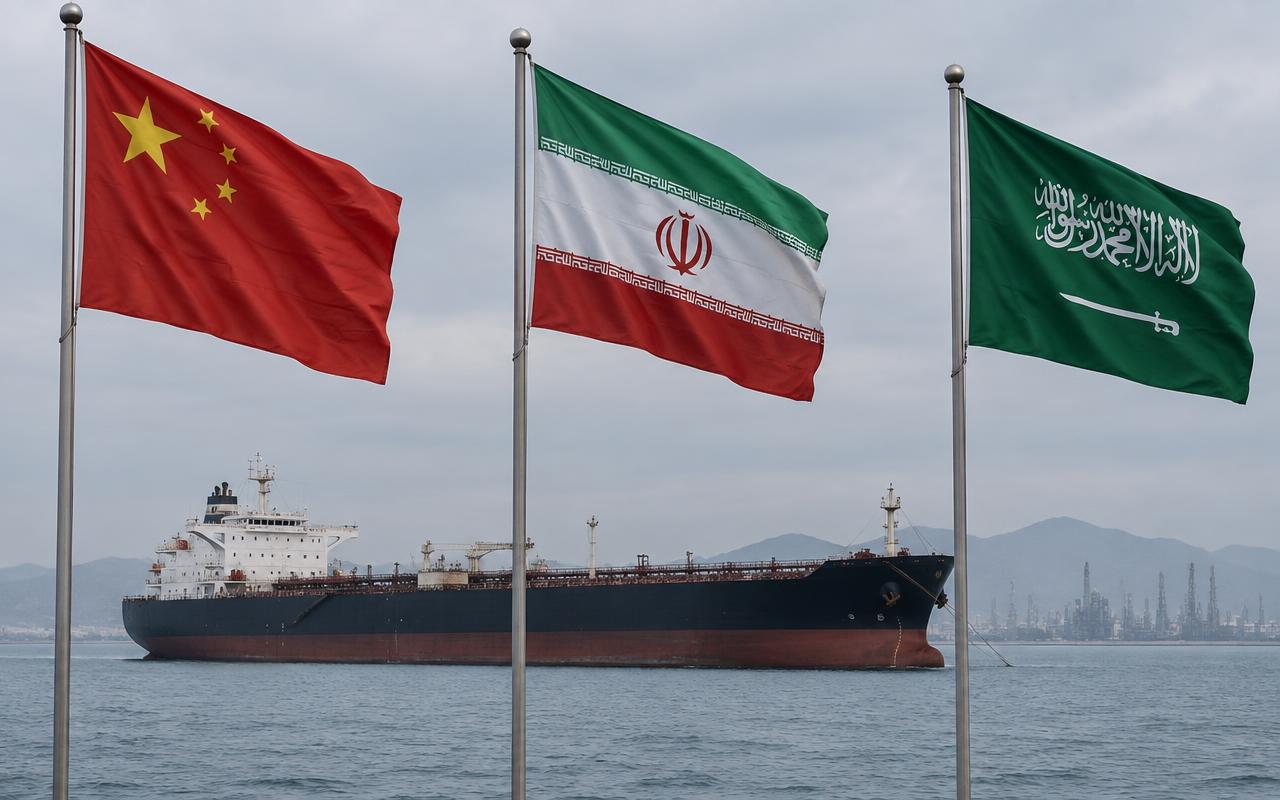
China privately urges Iran to restrain Houthis after Saudi appeal
Reuters reports that Beijing pressed Tehran to use its influence after a Saudi appeal, as shipping disruption threatens energy flows central to China’s economy.
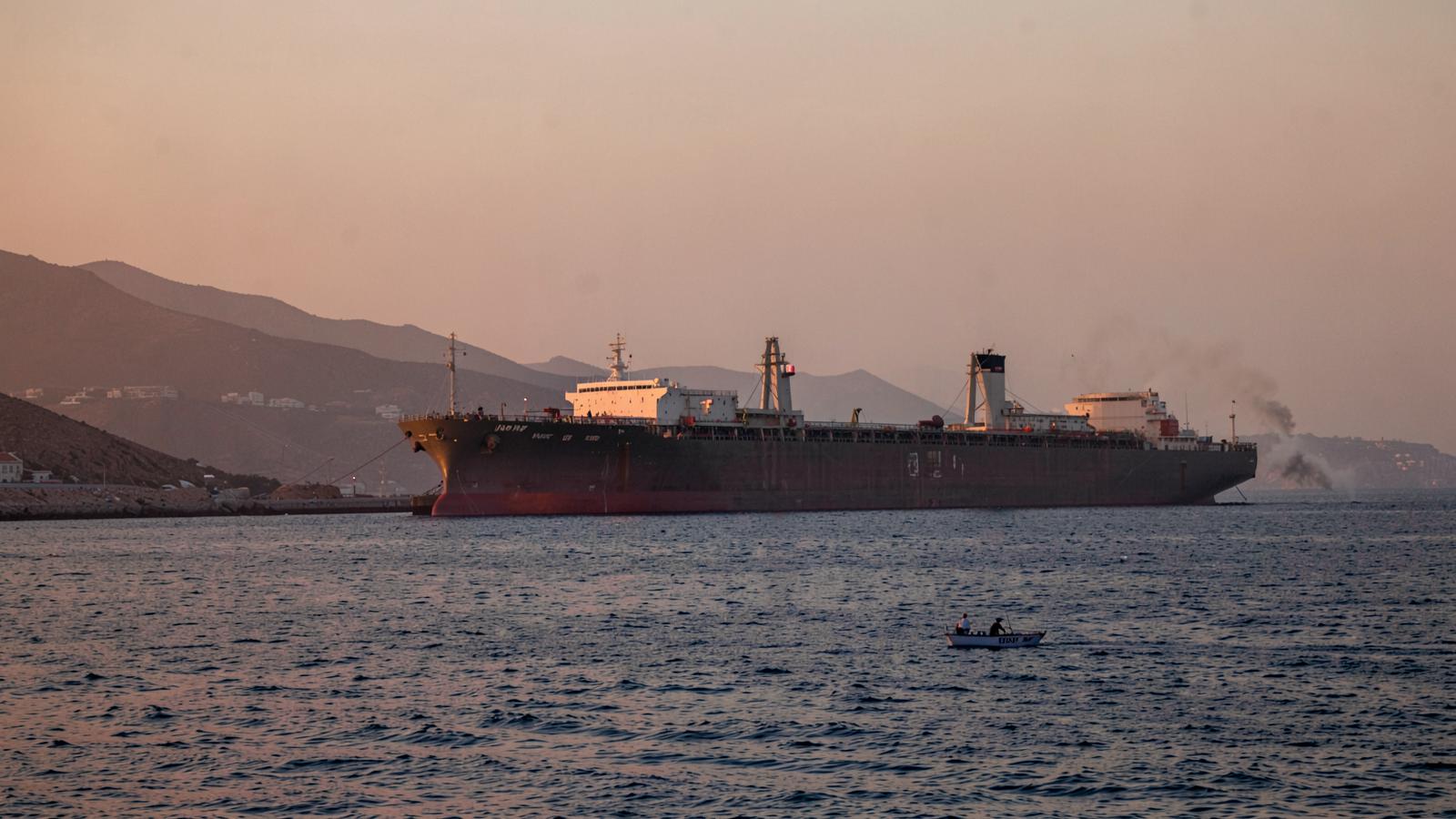
Houthis seize key Yemen port as shipping threat intensifies
Control of the Red Sea port tightens pressure on one of the world's busiest shipping corridors, with Brent crude trading at $107.63 a barrel and insurers repricing Gulf of Aden cover.

Oil Heads for 6% Weekly Surge as Renewed US-Iran Fighting Shakes Global Energy Markets
Renewed US-Iran fighting shakes energy markets, with US diesel prices reaching record levels and Hormuz traffic thinning further.