Global Hunger Falls for Third Year, but Africa Now Has the Highest Number Affected
A new United Nations assessment estimates that global hunger declined in 2025, but warns that progress remains fragile and deeply unequal, with Africa now accounting for the largest number of undernourished people.
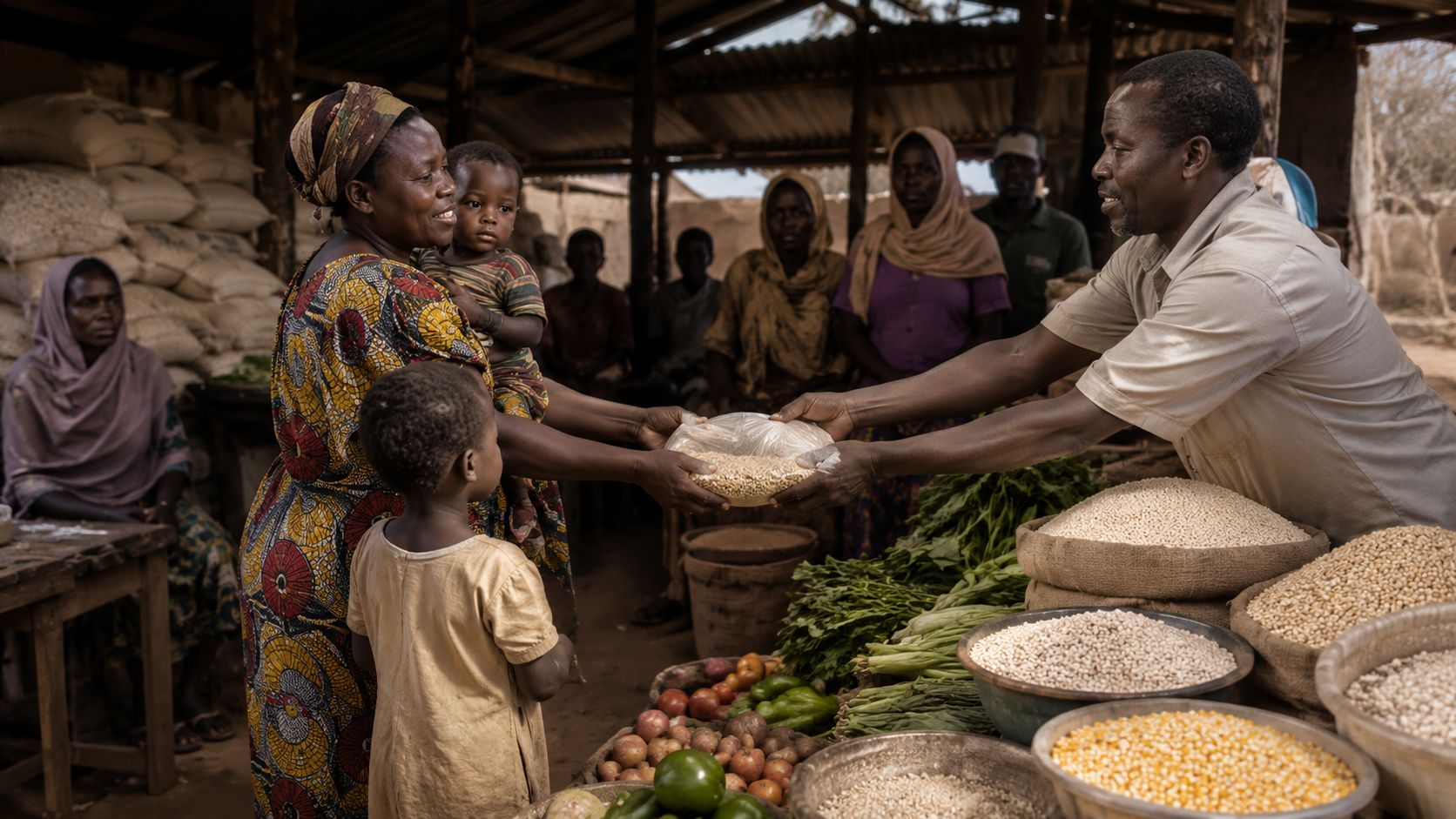
ROME — Global hunger declined for a third consecutive year in 2025, offering evidence that coordinated food, agricultural and social-protection policies can make a measurable difference. However, the latest United Nations assessment warns that the world remains far from achieving its target of ending hunger by 2030.
The 2026 edition of The State of Food Security and Nutrition in the World estimates that approximately 645 million people experienced hunger in 2025. This represents 7.8 per cent of the global population, down from 8.1 per cent in 2024 and 8.6 per cent in 2022. The latest total is nearly 14 million lower than the previous year and approximately 43 million below the 2022 level.
The report was jointly produced by the Food and Agriculture Organization, the International Fund for Agricultural Development, UNICEF, the World Food Programme and the World Health Organization. It concludes that the improvement is encouraging but insufficient, particularly because progress remains uneven between regions and communities.
Africa now has the highest number of people experiencing hunger in absolute terms. An estimated 309 million people were affected across the continent in 2025, compared with approximately 292 million in Asia. Although the proportion of Africa’s population experiencing hunger fell slightly from 20.3 per cent in 2024 to 20 per cent in 2025, population growth means the continent continues to carry an increasingly large share of the global burden.
Broader measurements of food insecurity also show that millions of families remain unable to obtain sufficient or nutritious food. Around 2.1 billion people—25.8 per cent of the world’s population—experienced moderate or severe food insecurity in 2025. This means they were sometimes forced to reduce the quantity of food they ate, compromise on quality or skip meals altogether.
The regional divide remains particularly severe. More than half of Africa’s population, approximately 56.6 per cent, experienced moderate or severe food insecurity during the year. The corresponding rates were 20.3 per cent in Asia, 22.9 per cent in Latin America and the Caribbean, and 8.7 per cent in Northern America and Europe. Rural communities and women continued to face greater vulnerability, even though the gender gap narrowed slightly.
Affordability remains another major concern. The report focuses on the rising cost of obtaining a healthy and nutritionally balanced diet. While overall hunger has declined, nutritious food remains financially out of reach for billions of people, with around two-thirds of Africa’s population unable to afford a healthy diet.
The agencies behind the report are calling for stronger investment in food production, rural infrastructure, nutrition services, transport systems and social protection. They also emphasise the importance of reducing the structural costs that make fruit, vegetables, protein and other nutritious foods more expensive than less healthy alternatives.
The report’s findings suggest that progress is possible, but that lower hunger figures alone should not be regarded as the end of the crisis. For millions of families, food may be available but still unaffordable, inaccessible or insufficiently nutritious.

Global Road Death Rate Falls 21%, but Crashes Still Claim 1.16 Million Lives
WHO reports that the global road-death rate declined between 2011 and 2025, although traffic crashes remain the leading cause of death among children and young adults aged five to 29.

African Union Health Summit Opens in Accra with Ending AIDS and TB by 2030 in Focus
African leaders, ministers, health organisations and civil-society representatives are gathering in Ghana for a high-level summit focused on AIDS, tuberculosis, maternal health and universal healthcare.

WHO Says Up to 45% of Dementia Risk Could Be Prevented or Delayed
Updated WHO guidelines recommend physical activity, social engagement, tobacco cessation, improved heart health and reduced air-pollution exposure as part of a life-course approach to dementia prevention.