African Union Health Summit Opens in Accra with Ending AIDS and TB by 2030 in Focus
African leaders, ministers, health organisations and civil-society representatives are gathering in Ghana for a high-level summit focused on AIDS, tuberculosis, maternal health and universal healthcare.
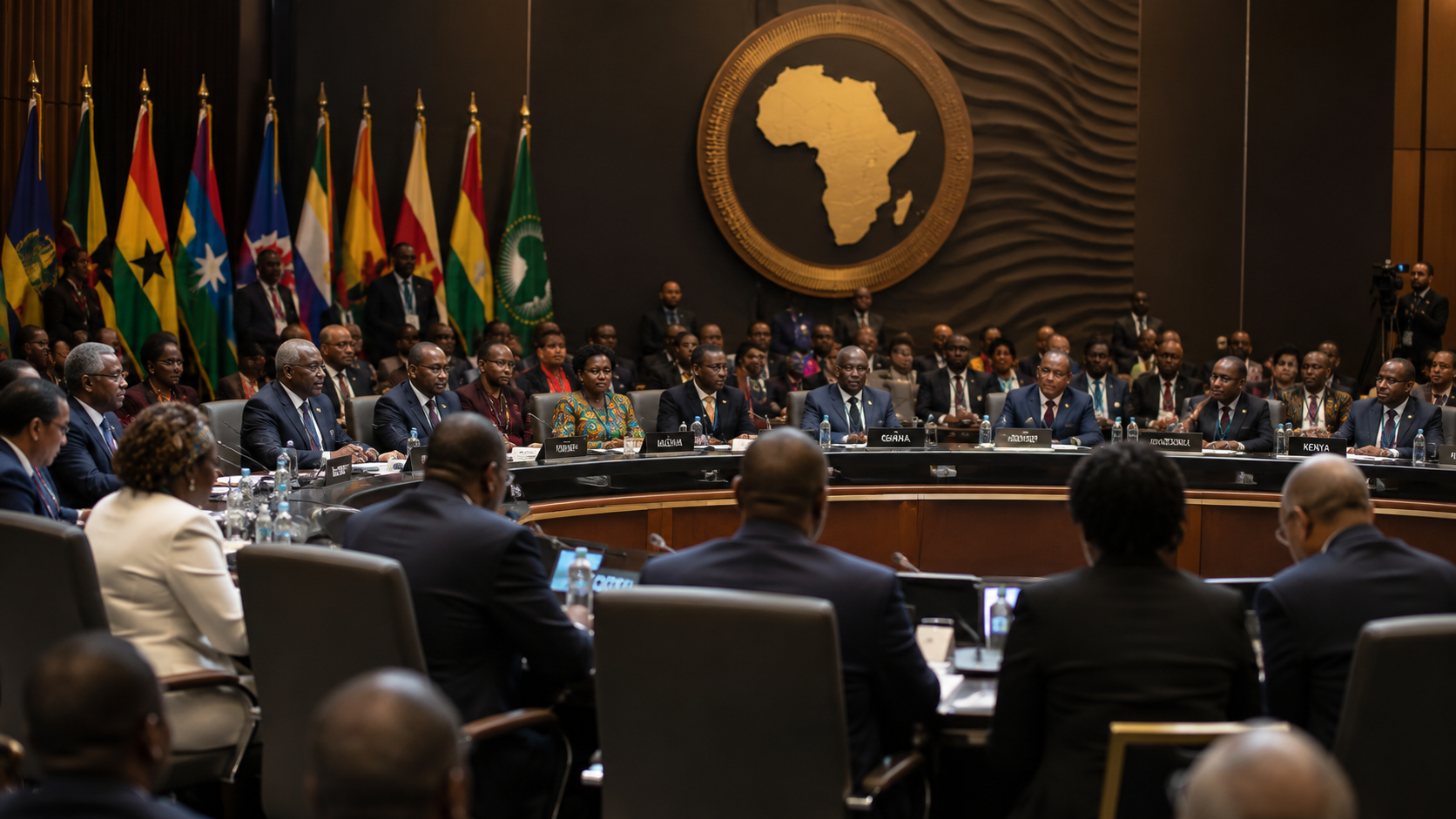
ACCRA — The African Union is convening a two-day extraordinary health summit in Accra, Ghana, aimed at accelerating continental action to end AIDS and tuberculosis, reduce preventable maternal deaths and strengthen African health systems by 2030.
The Extraordinary Session of the African Union Assembly is being held on 21 and 22 July under the theme: “Advancing Justice, Equity and Universal Health Coverage.” The programme also addresses communicable diseases, non-communicable diseases and neglected tropical diseases affecting communities across Africa.
The gathering brings together African heads of state and government, foreign affairs, health and finance ministers, African Union institutions, regional economic communities, United Nations agencies, health organisations, development partners, civil-society groups, young people and representatives of the private sector.
Ministerial and expert-level meetings are scheduled for 21 July, while the main session of heads of state and government is expected to take place on 22 July. The summit programme includes plenary discussions, policy panels, workshops and high-level dialogues on sustainable health financing, access to medicines, local pharmaceutical manufacturing and universal health coverage.
One of the principal objectives is to secure political support for the African Union Roadmap to 2030. The framework is expected to guide member states in sustaining the response to AIDS, strengthening disease-control programmes and creating more resilient national health systems.
Delegates are expected to review progress in addressing AIDS, tuberculosis, malaria, maternal mortality, non-communicable diseases and neglected tropical diseases. The meeting will also examine the governance of national public-health institutions, the development of Africa’s health workforce and the role of local communities in reducing stigma and discrimination.
Health financing is likely to be a central issue. Many African countries continue to face pressure from limited domestic resources, reduced international assistance, rising treatment costs and competing development priorities. The summit aims to identify more sustainable sources of financing and encourage greater national investment in health.
The African Union is also seeking stronger commitments to local manufacturing of medicines, vaccines, diagnostics and other essential medical supplies. The COVID-19 pandemic exposed Africa’s dependence on international supply chains and highlighted the risks created when countries cannot obtain essential health products during a global emergency.
Maternal health and preventable deaths are another major part of the summit agenda. Leaders are expected to consider policies that improve access to quality healthcare, particularly for women, children, young people and rural communities.
The expected outcomes include a formal declaration supporting implementation of the AU Roadmap to 2030, stronger commitments to ending AIDS and tuberculosis, greater cooperation with development partners and adoption of a monitoring and evaluation framework to measure progress.
Because the main heads-of-state session is scheduled for 22 July, Berean News will treat any proposed declarations or commitments as pending until the African Union publishes the official outcome documents.
Corrections & updates
- Marked as a developing story
This report is being updated as verified information arrives.
Jul 21, 2026, 5:36 PM - Story published
Verified against the sources cited in this report.
Jul 21, 2026, 10:00 AM
Related stories

US plans nearly $100 million Africell loan as technology rivalry with China moves deeper into Africa
Export-Import Bank financing would let Africa's only US-owned mobile operator buy American and allied network equipment.

Children exposed to 9/11 to receive major long-term health study
United States health authorities have funded a multi-year study of people who were children in lower Manhattan in 2001, twenty-five years on.
Africa Adopts 10-Year Plan to Protect Hard-Won Polio Gains
Health ministers approved the framework at the 76th WHO Regional Committee for Africa in Addis Ababa, focusing on surveillance, immunity and outbreak response.