First 27 NHS Neighbourhood Health Centres Aim to Bring More Care Closer to Home
The first phase of England's neighbourhood-health-centre programme will bring general practice, pharmacy, urgent treatment and other services together in community locations.
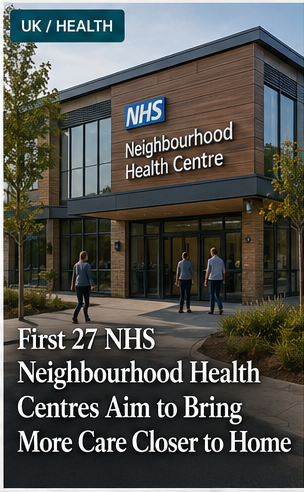
LONDON — The UK Government and NHS England are rolling out the first 27 neighbourhood health centres as part of a wider plan to move more healthcare away from hospitals and into local communities.
The centres are intended to provide a broader range of services under one roof, including general practice, pharmacy and urgent treatment. The programme is backed by up to £50 million for its first phase.
Ministers say the approach will make healthcare easier to access, particularly for people who currently have to attend several separate locations for related appointments.
The Government has pledged to establish 250 neighbourhood health centres under its ten-year health plan. The first 27 are expected to provide a model for how different services can work together in community settings.
Moving appropriate care into neighbourhood locations could reduce pressure on hospital emergency departments and outpatient services. It may also help patients manage long-term conditions before they deteriorate and require more intensive treatment.
The centres could be particularly valuable in deprived communities where residents experience poorer health outcomes and greater difficulty accessing timely care. Their success, however, will depend on staffing, opening hours, transport links and the range of services genuinely available in each location.
Bringing services into one building does not automatically create additional clinical capacity. If existing doctors, nurses and pharmacists are simply moved between sites without recruiting more staff, waiting times may remain unchanged.
Effective neighbourhood care also requires strong information systems so that health professionals can access relevant patient records and coordinate treatment safely. Patients should not have to repeat the same information whenever they see a different service.
The Government says tens of thousands of patients will benefit from the first wave of centres once they are completed and operational.
The programme's performance should be measured through practical indicators, including appointment availability, hospital-admission rates, patient experience, health inequalities and whether people receive treatment earlier.
The neighbourhood-centre model reflects a broader shift towards prevention and community-based healthcare. Its credibility will depend on whether the new buildings and partnerships are supported by sufficient workers, sustainable funding and clear accountability for outcomes.

WHO Warns West Nile Virus Cases Are Rising Across Parts of Europe
The World Health Organization says the risk remains low for most people but has urged countries to strengthen mosquito surveillance and public awareness as the transmission season begins.
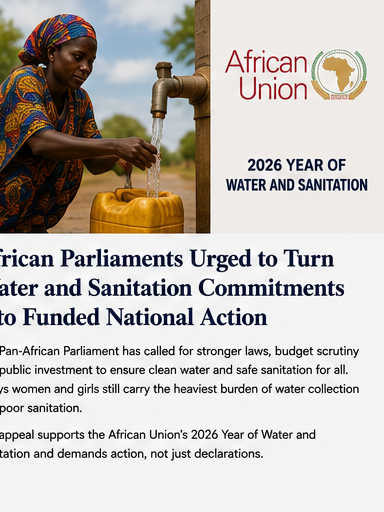
African Parliaments Urged to Fund Clean Water and Safe Sanitation
The Pan-African Parliament says continental water and sanitation commitments must be converted into stronger laws, public investment and accountable national programmes.

Faith Communities Can Strengthen Public-Health Resilience, WHO Says
Trusted religious leaders and faith-based organisations can support accurate health communication, emergency preparedness and vulnerable communities without replacing professional healthcare services.