African Union Leaders Urged to Turn Health Promises into Measurable Action
African leaders meeting in Accra have been challenged to back health declarations with domestic financing, stronger health systems and expanded production of medicines, vaccines and diagnostics.
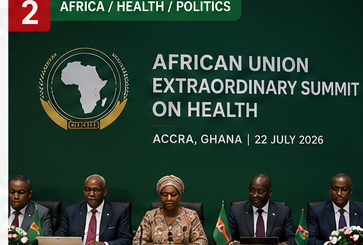
ACCRA — African leaders have been urged to move from declarations to measurable implementation following an extraordinary African Union summit focused on the continent's health priorities.
The summit, held in Accra on 21 and 22 July, addressed ending AIDS and tuberculosis, reducing preventable maternal and child deaths, tackling communicable and non-communicable diseases and strengthening universal health coverage.
African Union Commission Chairperson Mahmoud Ali Youssouf said the AU Roadmap to 2030 and Beyond should serve as an implementation framework rather than another statement of ambition. The roadmap is designed to guide action on HIV and AIDS, maternal and child health, resilient health systems and wider health security.
He called for stronger domestic health financing, expanded local manufacturing of medicines and vaccines, improved regulatory systems, investment in research and sustained political leadership. Member states were urged to translate the Accra Declaration and national commitments into results that can be tracked and measured.
The African Union says AIDS-related deaths on the continent have fallen by 74 per cent since 2004. However, those gains are threatened by declining or uncertain international financing, increasing pressure on national budgets and continuing inequalities in access to treatment and prevention services.
The summit also revisited the Abuja Declaration, under which African governments committed to allocating at least 15 per cent of national budgets to health. Many countries have struggled to reach or maintain that level, increasing dependence on external assistance and leaving health systems vulnerable when donor priorities change.
Local pharmaceutical production was another major focus. The COVID-19 pandemic demonstrated the risks of depending heavily on overseas manufacturers and international supply chains for vaccines, medicines and diagnostic equipment.
Expanding production within Africa will require more than constructing factories. Governments will need to strengthen electricity supply, transport, research capacity, regulation, skilled employment and procurement systems that give viable African manufacturers dependable markets.
The summit brought together heads of state, ministers, African Union institutions, health organisations, development partners, civil-society representatives, young people and private-sector leaders. Discussions covered sustainable financing, access to medicines, nutrition, maternal health and diseases that place a disproportionate burden on African communities.
The central challenge now is accountability. A credible implementation process should identify specific targets, responsible institutions, national budgets and deadlines, followed by regular public reporting.
The Accra summit has renewed political attention around Africa's health agenda. Its lasting importance will depend on whether the declarations lead to staffed clinics, available medicines, functioning laboratories and accessible healthcare for ordinary citizens.
Corrections & updates
- Marked as a developing story
This report is being updated as verified information arrives.
Jul 24, 2026, 8:09 AM - Story published
Verified against the sources cited in this report.
Jul 23, 2026, 7:30 AM
Related stories
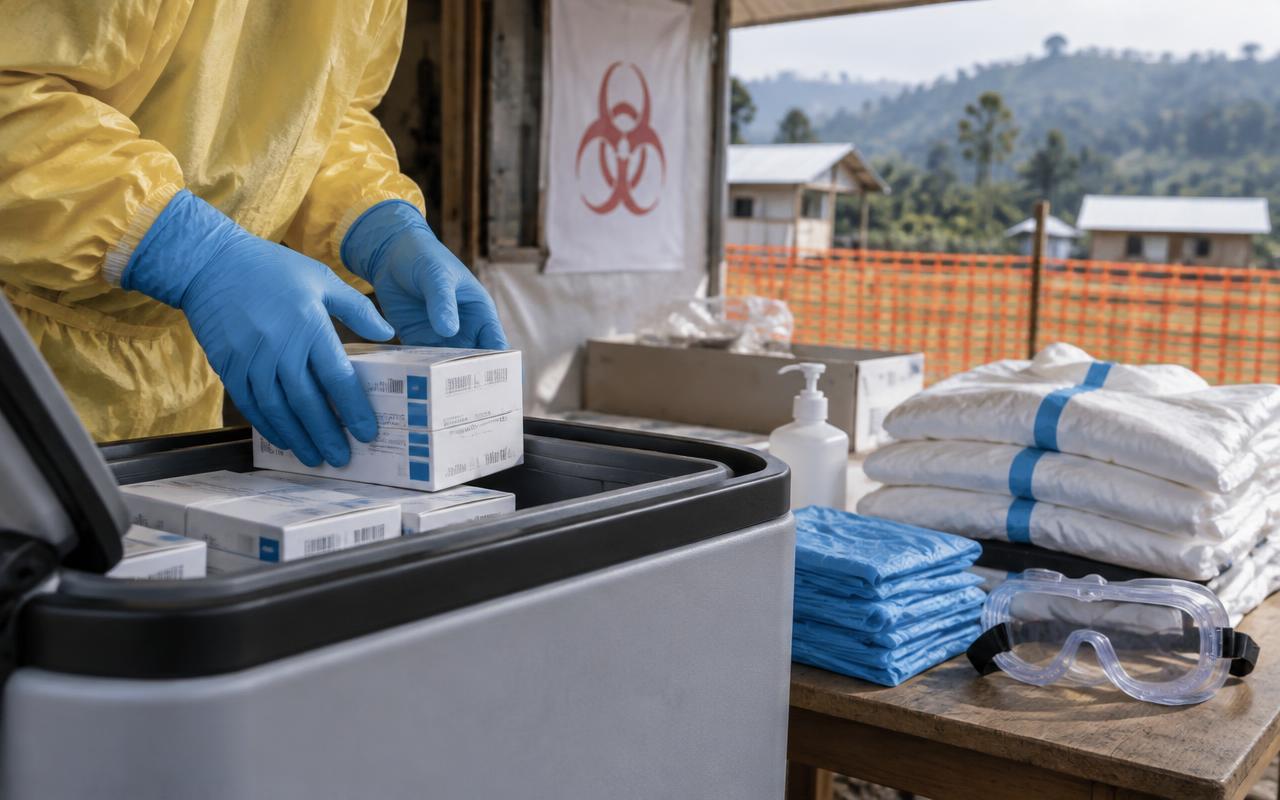
Congo Ebola response shows encouraging signs but WHO warns crisis is far from over
More than 7,000 infections have been recorded across seven provinces as responders confront the Bundibugyo strain and assess vaccine options.

Children exposed to 9/11 to receive major long-term health study
United States health authorities have funded a multi-year study of people who were children in lower Manhattan in 2001, twenty-five years on.
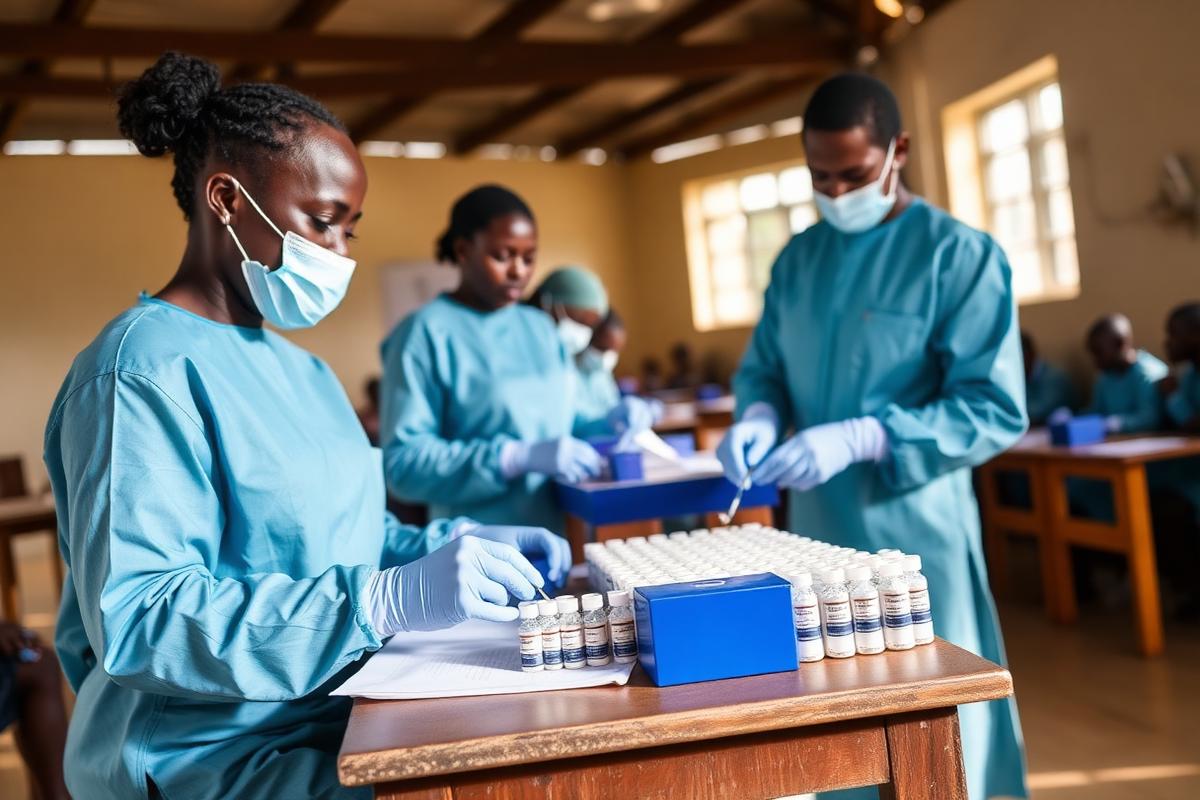
Africa Adopts 10-Year Plan to Protect Hard-Won Polio Gains
Health ministers approved the framework at the 76th WHO Regional Committee for Africa in Addis Ababa, focusing on surveillance, immunity and outbreak response.