Typhoon Noul Weakens After More Than 800,000 People Are Evacuated in Southern China
The storm has weakened after landfall in Guangdong, but authorities continue to warn of torrential rain, flash floods and landslides across southern and southwestern China.
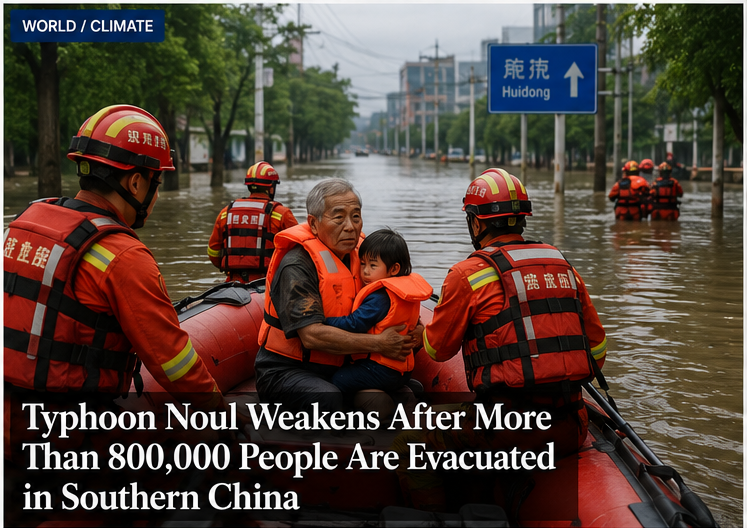
HONG KONG — Typhoon Noul has weakened to a tropical storm after forcing more than 800,000 people to evacuate in southern China and causing major disruption across Guangdong province and Hong Kong.
The storm made landfall near Huidong County in Guangdong early on Sunday with maximum sustained winds of approximately 110 kilometres per hour. Chinese authorities described it as the strongest typhoon to make landfall in the country so far this year.
More than 801,000 residents were moved to safer locations in Guangdong as officials suspended transport services and placed emergency teams on high alert. Earlier official totals had put the number relocated above 700,000 before further evacuations were completed.
Hong Kong experienced widespread disruption as the storm approached. Around 350 flights were cancelled, public transport services were affected and at least 21 people were reported injured. Airport and transport operations began returning gradually as warning signals were lowered.
Although the storm has weakened while moving inland, the danger has not ended. China's water and weather authorities have warned of continued torrential rain and the possibility of mountain floods, landslides and rising rivers across parts of Guangdong, Fujian and other southern and southwestern regions.
Mountain communities, river valleys, construction sites and low-lying urban districts remain particularly vulnerable. Heavy rainfall may continue after the strongest winds have passed, meaning residents should not assume that the emergency is over simply because the typhoon has been downgraded.
The Chinese Government allocated 100 million yuan—approximately $14.8 million—for emergency response and recovery in affected areas. Authorities are assessing damage to housing, roads, electricity networks and agricultural land.
Noul is the third significant tropical cyclone to affect China during July, increasing pressure on emergency services and communities already dealing with a period of heightened flood risk.
The storm also affected neighbouring regions before reaching China. It brought heavy rain to parts of the Philippines and Taiwan as it travelled across the western Pacific.
The immediate priority is preventing further loss of life as rainfall moves inland. Residents in warned areas are being urged to follow evacuation instructions, avoid flooded roads and remain alert for local emergency messages.
Recovery efforts will need to address displaced families, damaged infrastructure and economic losses, while authorities review whether drainage systems, coastal protection and early-warning arrangements were sufficient for an increasingly intense storm season.
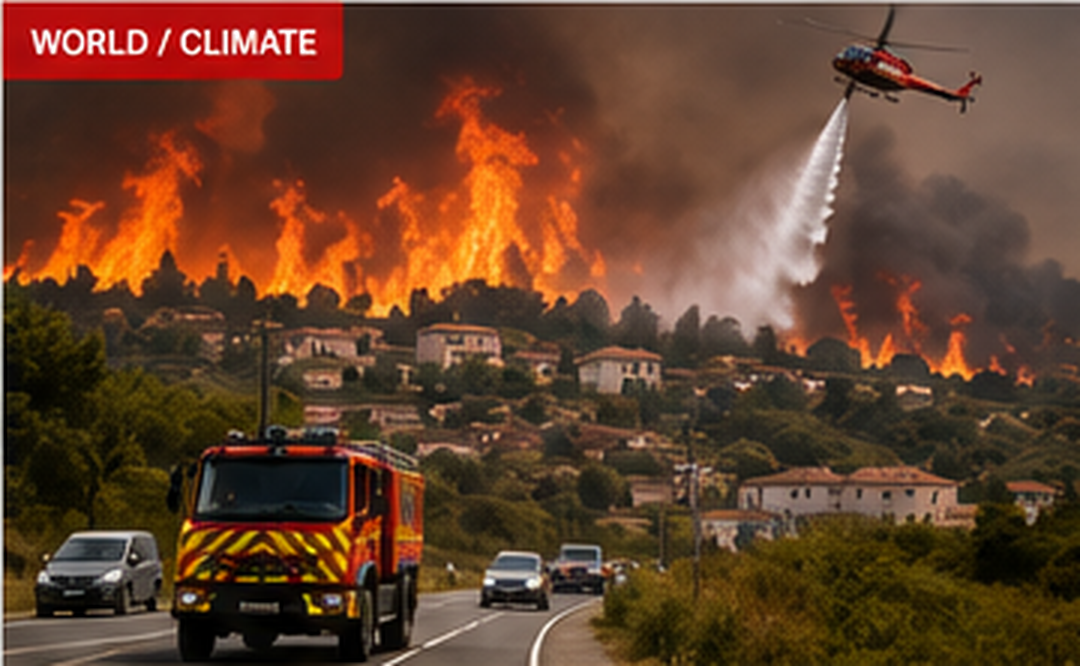
More Than 300,000 Evacuated as Wildfires Spread Across France and Spain
Severe wildfires driven by extreme heat, prolonged drought and unpredictable winds have forced mass evacuations, destroyed homes and stretched emergency services across southwestern France and several regions of Spain.

French Bishops Urge Churches to Support Families Displaced by Wildfires
Pope Leo XIV has expressed solidarity with people affected by wildfires in France and Spain, while French Catholic leaders have encouraged parishes to offer practical support and temporary refuge.

AIDS 2026 Opens in Rio Amid Severe Pressure on Global HIV Funding
The world's largest HIV conference has opened in Brazil as researchers, governments and community organisations confront major funding reductions and assess progress towards the 2030 global targets.